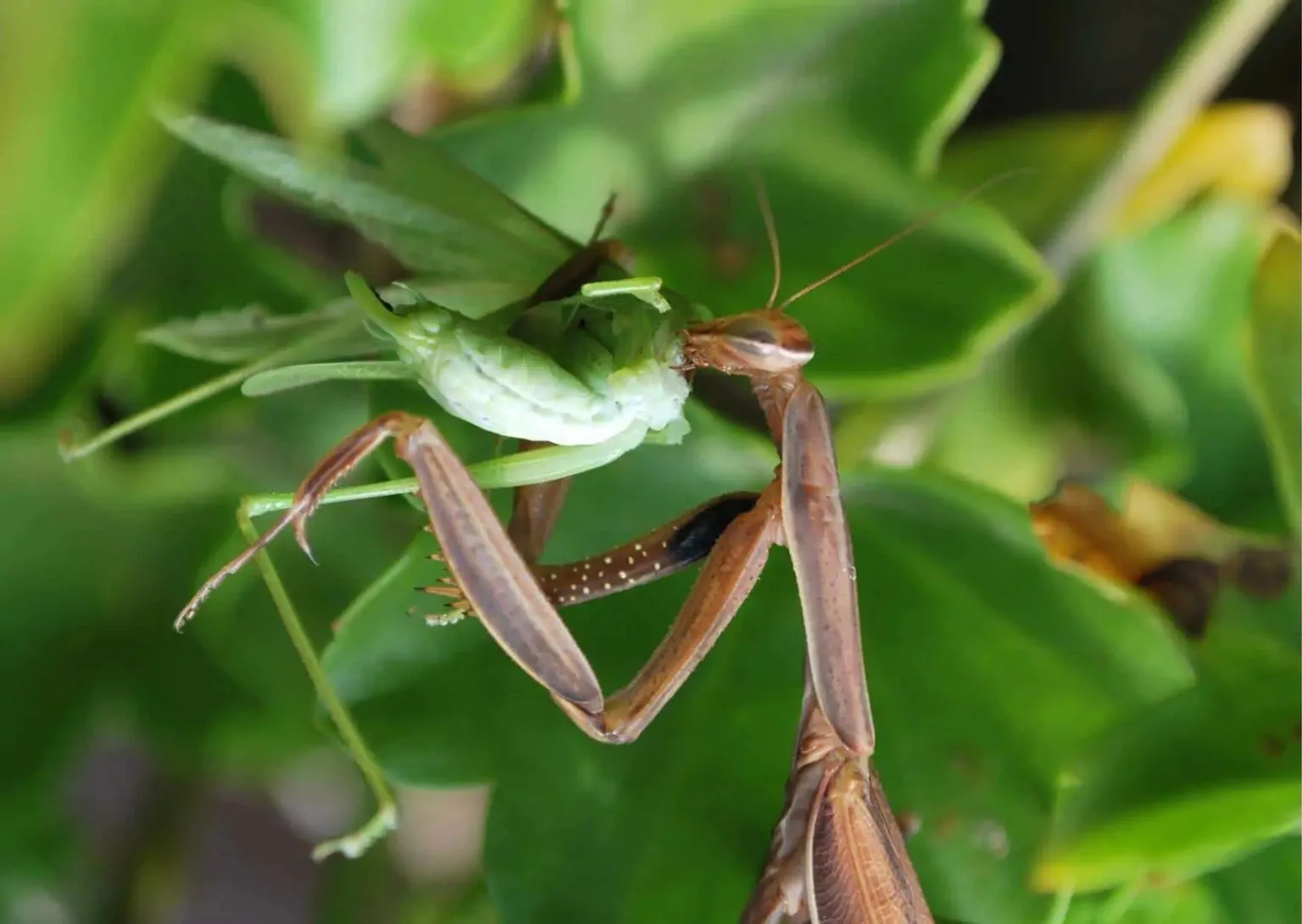
Praying Mantis vs Tarantula What’s the Battle About
The clash between a praying mantis and a tarantula is a dramatic event in the insect world, a microcosm of the predator-prey relationship played out in miniature. These encounters are not common but can occur, providing a glimpse into the survival strategies of two formidable arthropods. The praying mantis, known for its ambush tactics and powerful forelegs, and the tarantula, a large and venomous spider, represent distinct hunting styles. The outcome of their battles depends on a variety of factors, including the size of the combatants, their specific offensive strategies, and the environment in which the fight takes place. The sheer spectacle of these battles has fascinated nature enthusiasts and scientists, prompting detailed observation and analysis of these miniature gladiatorial contests. The praying mantis and the tarantula are both formidable predators in their own right, and their encounter is a high-stakes game of survival.
Praying Mantis vs Tarantula Physical Traits
Understanding the physical attributes of both the praying mantis and the tarantula is key to appreciating their respective strengths and weaknesses in a fight. Both creatures are arthropods, characterized by exoskeletons and segmented bodies, but their adaptations are markedly different. The praying mantis is built for stealth and swift strikes, with long, grasping forelegs perfectly designed to seize prey. Its triangular head and compound eyes provide excellent vision, allowing it to assess the environment and target its prey with precision. The tarantula, on the other hand, relies on size, strength, and venom. Its large, hairy body and powerful fangs are designed to subdue prey, and its venom quickly immobilizes victims. The tarantula’s eight legs provide excellent mobility, while its sensory hairs detect movement and vibrations in its surroundings. The physical traits of each species are finely tuned for their respective hunting strategies, each having advantages and disadvantages.
Praying Mantis Anatomy

The praying mantis is a master of ambush, equipped with a suite of adaptations for stealth and striking power. Its elongated body and cryptic coloration allow it to blend seamlessly into its surroundings, whether it’s among leaves, branches, or flowers. The mantis’s most distinctive feature is its raptorial forelegs, which are lined with spines and designed to snatch prey with lightning speed. These legs can snap shut with incredible force, securing the prey in a vice-like grip. The mantis also has a flexible neck and can rotate its head nearly 180 degrees, giving it a wide field of vision to spot potential threats or targets. Its powerful mandibles and sharp mouthparts are then used to consume its meal. This complex anatomy is a testament to the mantis’s predatory lifestyle, perfectly designed for capturing and consuming a wide variety of insects, and sometimes even larger animals.
Tarantula Anatomy
Tarantulas, with their large size and fearsome appearance, are well-equipped for their predatory lifestyle. Their bodies are divided into two main parts the cephalothorax and the abdomen. The cephalothorax houses the tarantula’s eyes, mouthparts, and legs, while the abdomen contains the digestive and reproductive organs. The tarantula has eight legs covered in sensory hairs that help it detect movement and vibrations in its surroundings. Its fangs are large and capable of injecting venom, which is used to immobilize prey. Tarantulas also have chelicerae, which they use to manipulate food and to inject venom. Many species also have urticating hairs on their abdomen, which they can flick at potential threats, causing irritation. Their size and venomous bite make tarantulas formidable hunters, capable of taking down insects, small reptiles, and even birds.
Praying Mantis vs Tarantula Combat Tactics
The battle between a praying mantis and a tarantula is a dynamic interplay of strategy and brute force. The mantis, with its agility and quick strikes, attempts to gain the upper hand by targeting vulnerable areas. It relies on its ability to rapidly seize its opponent, aiming to secure a grip that prevents the tarantula from using its fangs effectively. The tarantula, on the other hand, utilizes its size and venom, attempting to overwhelm the mantis with a powerful bite. It uses its legs for leverage and its chelicerae to deliver a potentially fatal blow. The environment also plays a role, as the terrain can either favor the mantis’s mobility or provide the tarantula with an advantage. The outcome of the fight is often determined by which creature can exploit its strengths and capitalize on the other’s weaknesses.
Mantis Offensive Strategies

The praying mantis employs a set of calculated moves to outmaneuver its opponent. Its primary weapon is its lightning-fast forelegs, used to grasp and hold its prey. The mantis attempts to strike at the tarantula’s face or soft underbelly, areas that are more vulnerable to attack. It may try to evade the tarantula’s fangs by darting from side to side, exploiting its superior agility. The mantis’s cryptic coloration helps it remain unseen until the opportune moment, enabling a surprise attack. Once it has a firm grip, the mantis will attempt to bite the tarantula’s head or other vital areas, aiming to quickly incapacitate the larger predator. Its ability to rotate its head provides crucial awareness of the fight, allowing it to adapt its strategy to the tarantula’s movements.
Tarantula Offensive Strategies
The tarantula, in contrast, relies on its size, strength, and venomous bite. It attempts to use its large fangs to deliver a swift and debilitating strike, aiming for a direct hit to the mantis. The tarantula may attempt to trap the mantis beneath its legs, restricting its movement and preventing the smaller insect from effectively using its forelegs. It also has the advantage of size, which allows it to exert greater force and potentially crush its opponent. The tarantula’s sensory hairs are crucial in detecting the mantis’s movements and predicting its attacks. It may also use its urticating hairs as a defense mechanism, irritating the mantis and potentially distracting it from its offensive efforts. In the fight, the tarantula’s main strategy is to subdue the mantis quickly, minimizing the risk of being overwhelmed by the smaller, but potentially dangerous, predator.
Praying Mantis vs Tarantula Environmental Factors
The environment plays a pivotal role in determining the outcome of a praying mantis versus tarantula encounter. The type of terrain, the presence of cover, and the prevailing weather conditions can all significantly influence the fight. For example, a cluttered environment may favor the agile mantis, allowing it to move swiftly and evade the tarantula’s attacks. Conversely, an open space could give the tarantula an advantage, allowing it to utilize its size and strength more effectively. The availability of hiding places, such as crevices or foliage, also affects the dynamics of the fight, as it could provide an escape route for either combatant, or be used for ambush. The environment effectively becomes another competitor in this arena, shaping the strategies and influencing the chances of survival for both species.
Temperature and Humidity Effects

Temperature and humidity are important environmental factors that affect the fight. Mantises and tarantulas, being ectotherms, rely on external sources of heat to regulate their body temperature and maintain optimal function. High temperatures can increase the activity levels of both creatures, making them more agile and aggressive, potentially leading to a more intense battle. Conversely, extreme temperatures can also be detrimental, as they may cause the insects to overheat or become sluggish. Humidity levels also play a crucial role, as they can affect the movement and speed of the creatures. Dry environments might slow down the mantis due to desiccation, giving the tarantula an edge. In humid conditions, the mantis may be more agile, increasing its chances of a successful attack. The environment creates the stage for the clash.
Praying Mantis vs Tarantula Prey and Diet
The dietary habits of both the praying mantis and the tarantula influence the dynamics of their encounters. These predators are both carnivores, but their preferred prey and hunting strategies differ significantly. The praying mantis is an ambush predator, primarily feeding on insects and other small invertebrates. It waits patiently for unsuspecting victims to come within reach, using its raptorial forelegs to secure a quick, lethal grip. Tarantulas, on the other hand, are opportunistic hunters, consuming a wider variety of prey, including insects, small vertebrates, and even birds. The size and type of prey available in a particular environment can affect the likelihood of an encounter between these two predators. The overlap in their diets, especially when it comes to insects, increases the probability of these predators facing each other. This shared need for resources can result in competition, and ultimately, a fight for survival.
Mantis Diet
The praying mantis’s diet primarily consists of insects, including grasshoppers, crickets, flies, and moths. The mantis’s hunting strategy is one of patience and precision. It usually lies in wait, camouflaged among foliage, until a suitable prey item approaches. The mantis then strikes with incredible speed, using its spined forelegs to grasp its victim. Once caught, the prey is held firmly while the mantis uses its powerful mandibles to consume it. Mantises will eat almost any insect they can catch and subdue. The mantis’s diet is a testament to its adaptability and efficiency as a predator, designed to exploit a wide range of insect prey.
Tarantula Diet

Tarantulas are opportunistic predators with a diverse diet. They primarily feed on insects, such as crickets, grasshoppers, and beetles. They are also known to consume larger prey, including small lizards, frogs, and even small birds. Tarantulas are ambush predators, often waiting in burrows or hidden locations for prey to pass by. Once a potential meal comes within reach, the tarantula strikes swiftly, injecting venom to immobilize the prey. The tarantula then uses its fangs to crush and consume the prey. Their ability to hunt a range of prey makes them successful hunters. The availability of various prey sources in their habitat impacts the spider’s diet and influences its interactions with other predators, including the praying mantis.
Praying Mantis vs Tarantula Fight Outcomes
The outcome of a praying mantis versus tarantula battle can vary significantly, depending on a number of factors. The size of each combatant is a critical determinant, with larger individuals often having a distinct advantage. The mantis, if it can successfully strike and hold onto the tarantula, might inflict a decisive bite, but this is a risky move. The tarantula’s venom can quickly incapacitate a mantis. The environment, as mentioned previously, also plays a role, as the terrain and available cover can influence the combatants’ tactics and chances of success. The fighting prowess and the health conditions of both creatures are key factors, too. Understanding these variables is crucial in predicting the outcome of this dramatic predator-prey encounter.
Factors Affecting the Fight
Multiple factors can influence the outcome of a praying mantis versus tarantula fight. The size difference between the two is a primary factor, as the larger combatant generally holds the advantage. A larger tarantula is more likely to overpower a smaller mantis, while a larger mantis might be able to better handle a smaller tarantula. The health and condition of each creature are also significant. A healthy mantis with sharp claws and a quick strike is more likely to win than one that is injured or weakened. The same applies to the tarantula; a venomous bite from a healthy spider can quickly end the fight. The environment, as previously discussed, can provide advantages to one or the other, influencing the combat dynamics.
Where Praying Mantises and Tarantulas Meet

Praying mantises and tarantulas can encounter each other in various habitats, particularly in areas where both species thrive. These encounters are most likely to occur in regions with warm climates and abundant insect populations. Habitats include grasslands, forests, gardens, and other locations that offer suitable conditions for both predators and their prey. The availability of food sources and shelter also plays a role in determining where these encounters take place. Both species have specific requirements for survival, and their geographic overlap is limited by these needs. Understanding their habitat preferences provides insights into the likelihood of observing a praying mantis versus tarantula interaction.
Habitat Overview
The habitats of praying mantises and tarantulas often overlap in regions with warm climates and diverse ecosystems. Praying mantises prefer environments with ample vegetation, providing cover for ambush hunting and a steady supply of insects. This can include gardens, meadows, forests, and shrublands. Tarantulas, on the other hand, are often found in burrows in the ground or under rocks, preferring arid or semi-arid habitats. Some species may also inhabit trees or other elevated locations. The presence of both species in an area, with their differing ecological niches, creates the potential for interactions. The specific characteristics of each habitat, like the types of vegetation, the availability of water, and the presence of other predators, also influence the outcomes of these encounters.