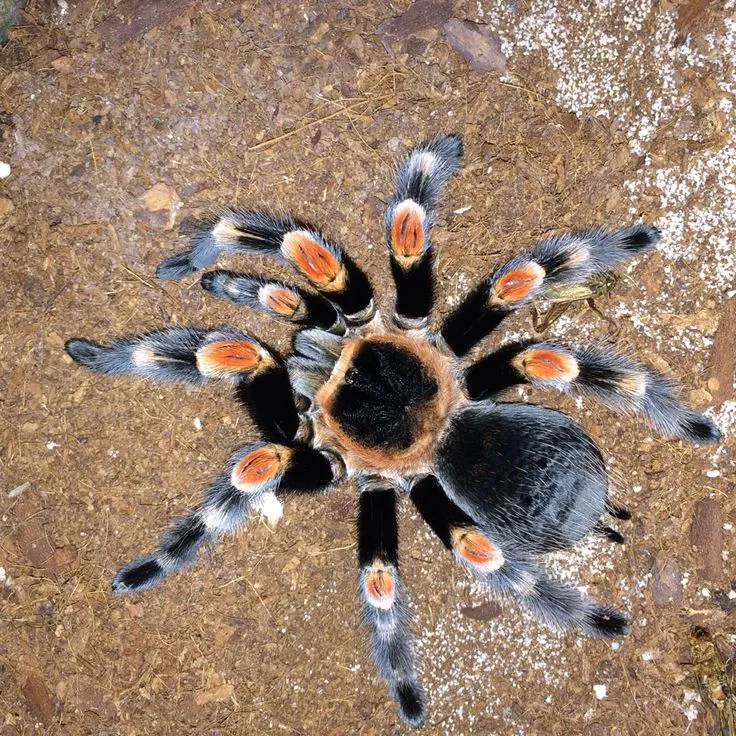
What Red Knee Tarantulas Eat
Red knee tarantulas, known for their striking red and black markings, are captivating creatures that require specific care, including a proper diet. Understanding the best food options is crucial for ensuring your tarantula thrives. These arachnids are opportunistic hunters in the wild, and their diet in captivity should mimic their natural feeding habits as closely as possible. A balanced diet not only keeps your tarantula healthy but also contributes to its growth and overall well-being. The following are the top 5 food choices for your red knee tarantula.
Crickets
Crickets are a staple food for many pet tarantulas, including the red knee. They are relatively easy to obtain and offer a good source of protein, which is essential for the growth and development of your tarantula. Crickets are also readily available at most pet stores, making them a convenient option for regular feeding. Ensure that the crickets are gut-loaded before feeding them to your tarantula. Gut-loading involves feeding the crickets a nutritious diet, such as commercial cricket food or fresh vegetables, which enhances their nutritional value and passes those nutrients on to your tarantula. This practice significantly improves the overall health of your pet.
Why Crickets are a Good Choice

Crickets offer a multitude of benefits as a food source. They are a good source of protein, a vital component of a tarantula’s diet, contributing to growth, molting, and overall health. Crickets are readily available, making them an accessible option for tarantula owners. Furthermore, the live movement of crickets can stimulate the tarantula’s natural hunting instincts, providing mental enrichment. The size of the crickets can be easily adjusted to suit the size of your red knee tarantula, ensuring they can be consumed without difficulty. Gut-loaded crickets provide added nutritional value, delivering essential vitamins and minerals to your tarantula.
How to Feed Crickets to Your Tarantula
Feeding crickets to your red knee tarantula is a straightforward process. The first step is to select crickets of an appropriate size, typically no larger than the tarantula’s body. Place one or two crickets in the tarantula’s enclosure, and observe whether it captures and eats them within 24 hours. Remove any uneaten crickets, as they can stress your tarantula and potentially injure it during a molt. Feed young tarantulas more frequently, perhaps every other day, while adults can be fed once or twice a week. Always provide a shallow water dish for your tarantula to ensure it stays hydrated. Remember to gut-load the crickets before feeding them to maximize the nutritional benefits for your pet.
Mealworms
Mealworms are another excellent food option for red knee tarantulas. These larvae of the darkling beetle are easy to breed and store, making them a convenient choice for many tarantula owners. Mealworms are readily available at most pet stores and are relatively inexpensive. They are also a good source of protein and can be a good supplement to a cricket-based diet. However, it is important to be mindful of their chitin content, which is higher than in crickets, and feed them in moderation to avoid any potential digestive issues. Variety in diet is always important for your tarantula.
Nutritional Value of Mealworms

Mealworms offer a valuable nutritional profile, including a good amount of protein, essential for muscle development and overall growth in tarantulas. They also contain some fats and carbohydrates, providing energy. However, mealworms have a higher chitin content compared to some other food sources like crickets. Chitin is a structural component of the mealworm’s exoskeleton that can be difficult to digest in large quantities. This is why mealworms should be offered as a supplementary food source rather than the primary part of your red knee tarantula’s diet. They are a convenient option, but variety is key to providing a balanced and healthy diet for your tarantula.
Feeding Mealworms Safely
When feeding mealworms, offer them in moderation, typically no more than once or twice a week, to avoid overfeeding and potential digestive issues. Monitor your tarantula’s response to mealworms. If it appears to have any difficulty digesting them, reduce the frequency of feeding. It’s advisable to crush the mealworm’s head before offering it to your tarantula, as this makes the mealworm easier to eat and prevents it from burrowing, which could stress the tarantula. Also, ensure the mealworms are sourced from a reputable supplier to minimize the risk of parasites or pesticides. Keep the enclosure clean and remove any uneaten mealworms promptly to maintain a healthy environment for your pet.
Roaches
Roaches are a highly nutritious and often preferred food source for many tarantula keepers. Species like Dubia roaches are particularly popular due to their high protein content and relatively easy maintenance. They are less likely to burrow than crickets, and their movement can stimulate the tarantula’s hunting instincts. Roaches are also known to have a longer lifespan than crickets, making them a more convenient food source. They can be a bit more challenging to obtain, but the nutritional benefits often outweigh the extra effort.
Benefits of Roaches as Food

Roaches offer many advantages as a food source for red knee tarantulas. They have a high protein-to-chitin ratio, making them more digestible than some other insect options. This translates to better nutrient absorption and overall health for your tarantula. Roaches are relatively slow-moving, which makes them easier for the tarantula to catch and less likely to hide. Additionally, roaches are less prone to escaping their enclosure compared to crickets. Many keepers also report that their tarantulas seem to prefer the taste of roaches over other insects, leading to better feeding responses. Overall, roaches provide a well-rounded diet and encourage natural hunting behavior.
Roach Feeding Tips
When feeding roaches, ensure they are appropriately sized for your red knee tarantula, usually no larger than the tarantula’s body. Feed them one or two roaches at a time, depending on the tarantula’s size and appetite. Similar to feeding crickets, any uneaten roaches should be removed within 24 hours to prevent stress and potential harm to the tarantula. Maintaining a roach colony at home is an option for a continuous food supply, as they are relatively easy to breed in captivity with proper care and attention. Remember to gut-load the roaches before feeding them to your tarantula to maximize the nutritional benefits. Providing a varied diet will contribute to your tarantula’s health.
Other Insects
Beyond the primary food choices, other insects can be included in your red knee tarantula’s diet to add variety. While not as common as crickets, mealworms, or roaches, these can offer additional nutrients and keep your tarantula interested in its food. It’s important to introduce these in moderation and observe how your tarantula responds to them.
Waxworms

Waxworms are high in fat and can be a good treat for your tarantula, especially if it’s underweight or needs an energy boost. However, they should only be offered sparingly because of their high-fat content. Overfeeding waxworms can lead to obesity. Always be mindful of the balance in your tarantula’s diet, prioritizing a balance of protein, fat, and other essential nutrients to keep your pet healthy.
Hornworms
Hornworms are another option for adding variety. They are high in moisture and are a good source of nutrients. However, they can be more expensive and harder to find than other food options. Introduce hornworms cautiously and in moderation, as their high moisture content could potentially cause digestive upset if overfed. Always monitor your tarantula’s health and adjust its diet accordingly.
Pre-Killed Prey
Pre-killed prey offers a convenient option for feeding your red knee tarantula. This is especially useful if you are squeamish about handling live insects or if your tarantula has difficulty catching live prey due to age or molting. Pre-killed prey also eliminates the risk of insects biting or harming the tarantula. This approach, however, may reduce the tarantula’s natural hunting instincts and feeding engagement, so it’s important to consider the pros and cons before deciding.
Why Pre-Killed Prey

Pre-killed prey offers several advantages. It eliminates the risk of live insects injuring the tarantula during the feeding process. It provides a more controlled feeding environment, preventing insects from hiding or escaping in the enclosure. This method is particularly useful for older tarantulas or those that are about to molt, as their hunting abilities may be compromised during these times. Pre-killed prey also makes it easier to monitor how much your tarantula is eating and to remove any uneaten food.
How to Use Pre-Killed Prey
If you choose to use pre-killed prey, select appropriately sized insects for your tarantula. Thaw the prey completely if frozen, and ensure it is at room temperature before offering it to your tarantula. Use tongs to offer the prey to the tarantula, and gently place it near the tarantula’s fangs. Observe whether the tarantula accepts the prey. Remove any uneaten prey within 24 hours to prevent mold growth and maintain a clean enclosure. Remember that while convenient, pre-killed prey might not stimulate the tarantula’s natural hunting behaviors. Balance pre-killed prey with live feedings to promote natural behaviors.
Conclusion
Choosing the right food for your red knee tarantula is critical for its health and well-being. Providing a varied diet, including crickets, mealworms, roaches, and occasional treats like waxworms, can ensure your tarantula receives the necessary nutrients. Remember to always source insects from reputable suppliers, gut-load them for enhanced nutritional value, and adjust the feeding frequency based on your tarantula’s age and size. By following these guidelines, you’ll create a healthy and enriching environment for your captivating pet. Regular monitoring of your tarantula’s feeding habits, molting cycles, and overall health will help you adjust its diet accordingly, leading to a long and fulfilling life for your red knee tarantula. Proper care is essential for your pet’s long term health.