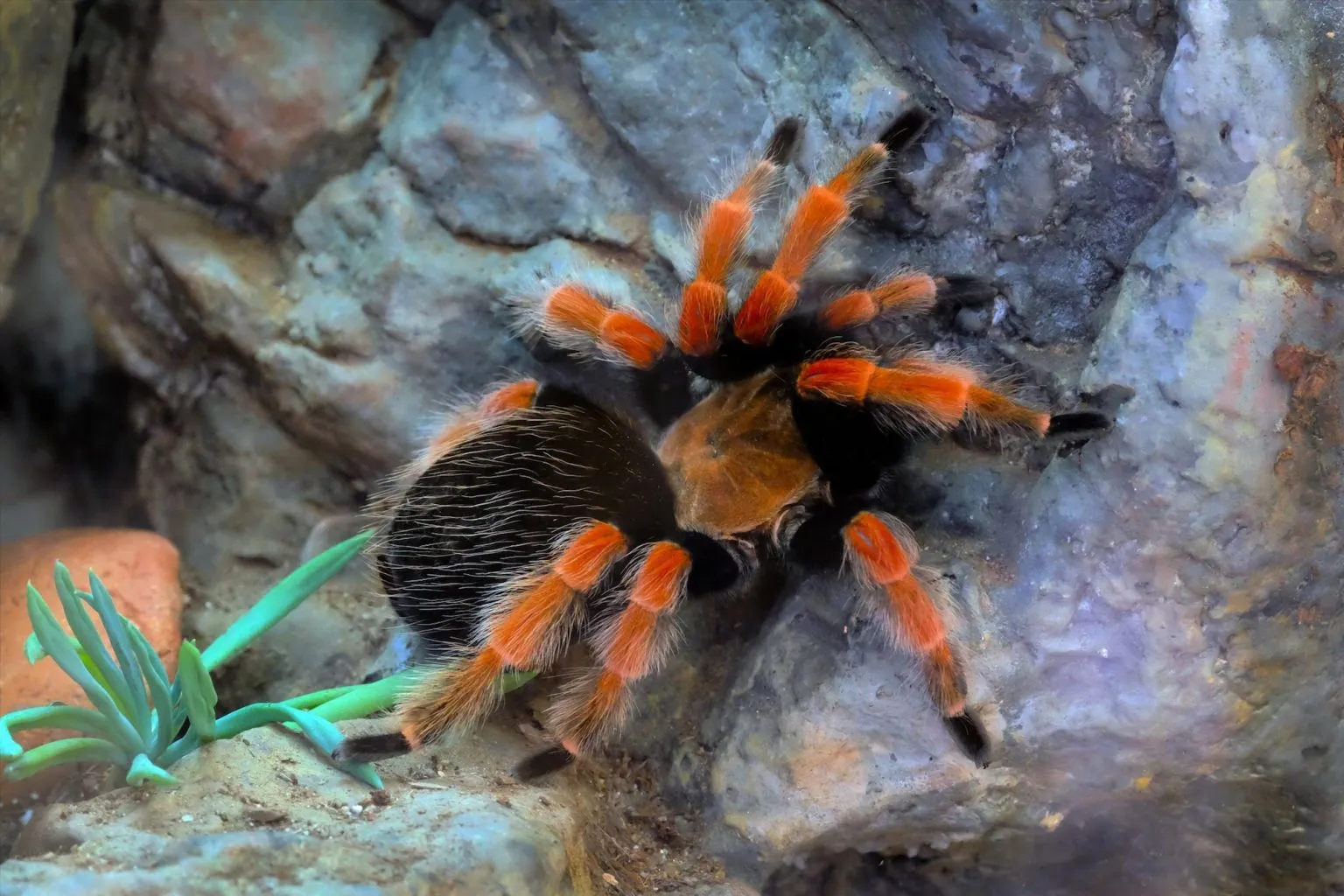
Understanding the Mexican Red Knee Tarantula
The Mexican Red Knee Tarantula (Brachypelma hamorii), often available at Petsmart, is a popular pet due to its striking appearance and relatively docile nature. These arachnids are native to the Pacific side of Mexico and are known for their vibrant coloration – a black body with red or orange markings on their leg joints. Their popularity has grown significantly over the years as more and more people are looking to experience the exotic pet world. This guide offers five key tips for caring for your Mexican Red Knee Tarantula, focusing on the essential aspects of their well-being and longevity. Understanding the needs of this species is the first step toward providing a thriving environment.
Choosing a Healthy Red Knee Tarantula at Petsmart
Selecting a healthy tarantula is crucial for ensuring a long and fulfilling life for your pet. When visiting Petsmart, pay close attention to several key indicators of health. Look for an active tarantula with a full abdomen, as a shrunken abdomen may indicate dehydration or malnutrition. Observe the spider’s movements; it should be able to walk and react without difficulty. Avoid spiders that appear lethargic or have noticeable injuries. A healthy tarantula will exhibit bright, vibrant colors and clean legs. Always ask the Petsmart staff about the tarantula’s feeding schedule and any previous health concerns. By carefully examining the spider, you can increase your chances of bringing home a thriving pet.
Appearance and Behavior

A healthy Red Knee Tarantula should have a robust appearance with vibrant colors. The hairs on its body should be intact, and the legs should be free from any deformities or missing limbs. Observe its behavior; a healthy tarantula will generally be alert and responsive to its environment. Look for signs of defensive behavior, which can include raising its front legs or flicking hairs. Avoid spiders that appear listless, are reluctant to move, or show signs of being unable to walk properly. Such behavior may indicate that the spider is either sick or has an injury, making it unwise to bring such a tarantula home from Petsmart.
Health Indicators
Check for a full abdomen, a sign that the tarantula has been feeding well. Examine the spider’s fangs (chelicerae), which should be clean and free of any discoloration. Look closely for any signs of mites, which can often be seen as tiny moving specks on the tarantula’s body. The presence of mites is a strong indication of the spider’s need for medical attention. A healthy tarantula will have a good appetite, which is reflected by its willingness to eat when food is offered. A refusal to eat can be a sign of an underlying health problem, so it is important to take that into consideration when at Petsmart.
Habitat Setup
Creating the right habitat is essential for the well-being of your Red Knee Tarantula. The enclosure should provide enough space for the tarantula to move around comfortably and to molt. It should also have the proper substrate, hiding places, and environmental controls. The aim is to replicate the spider’s natural habitat as closely as possible. This will allow your tarantula to thrive and exhibit its natural behaviors, which is one of the most rewarding parts of owning one of these pets. A well-designed habitat will not only keep your tarantula healthy but also be an attractive display in your home.
Enclosure Size and Type

Choose an enclosure that is appropriately sized for your tarantula. A good rule of thumb is to provide an enclosure that is at least three times the tarantula’s leg span in width. For a juvenile, a 5-gallon tank may be sufficient, while an adult will need a 10-gallon or larger tank. Ensure the enclosure is escape-proof, with a secure lid. Glass or clear plastic enclosures are ideal because they allow you to observe your pet easily. Make sure there is good ventilation to prevent mold and humidity build-up. Look at the displays at Petsmart to get a sense of the ideal size for a Red Knee Tarantula.
Substrate and Decorations
The substrate should be a few inches deep to allow the tarantula to burrow. Good options include coco fiber, peat moss, or a mixture of both. Avoid using materials like sand or gravel, as they can be difficult for the tarantula to burrow in and can also cause injury. Provide hiding places, such as cork bark or artificial plants, where the tarantula can feel secure. Decorate the enclosure with items that mimic the tarantula’s natural environment, but ensure all decorations are safe and non-toxic. Make sure there is at least one hiding place to help the tarantula feel safe, especially after feeding or molting.
Temperature and Humidity
Maintain a temperature between 75-85°F (24-29°C) using a heat lamp or a heat mat placed on the side of the enclosure. Never place the heat source directly under the enclosure. Use a thermometer to monitor the temperature. Humidity should be kept between 60-70%, which can be achieved by lightly misting the enclosure with water once or twice a week, or by providing a water dish. Proper temperature and humidity are crucial for the tarantula’s health and its ability to molt successfully. Use a hygrometer to measure the humidity, and make adjustments as needed.
Feeding Your Red Knee Tarantula

Providing the right diet is crucial for keeping your Red Knee Tarantula healthy and active. The Mexican Red Knee Tarantula is an opportunistic predator and will eat a variety of insects in the wild. In captivity, the focus is on providing a nutritionally balanced diet that meets the tarantula’s needs. It’s essential to understand the types of food your tarantula needs, how often to feed it, and the best ways to ensure proper hydration. Consider what you learn at Petsmart about the spider’s preferred diet.
Diet and Frequency
Feed your Red Knee Tarantula a diet of insects, such as crickets, mealworms, and Dubia roaches. The size of the prey should be no larger than the tarantula’s body. Feed juveniles once or twice a week, while adults can be fed every one to two weeks. Remove any uneaten food within 24 hours to prevent mold and mites. Overfeeding can be as harmful as underfeeding, so it’s important to observe your tarantula’s appetite. Do not feed a tarantula that is in pre-molt, as they will likely refuse the food. This is information you can learn from the Petsmart staff.
Watering and Hydration
Provide a shallow water dish with fresh, clean water at all times. This is essential for hydration. Ensure the water dish is shallow enough to prevent the tarantula from drowning. Regularly check the water dish and refill it as needed. In addition to the water dish, lightly mist the enclosure with water once or twice a week to maintain the appropriate humidity level. The water should be at room temperature. This will help the tarantula to stay hydrated. Ensure that there is not standing water on the substrate as this can lead to mold.
Handling and Interaction

While Mexican Red Knee Tarantulas are generally docile, handling should be kept to a minimum. These spiders are sensitive, and improper handling can lead to stress, injury, or even a bite. It’s always best to observe your tarantula in its enclosure, especially when you are first starting out. If you do choose to handle your tarantula, it should be done with care. Understand the safe practices and how to recognize the tarantula’s behavior.
Safe Handling Practices
If you choose to handle your tarantula, do so with extreme caution. Handle the tarantula over a soft surface, such as a bed or a carpet, to minimize the risk of injury if it falls. Do not handle the tarantula if it’s in pre-molt, as it will be more irritable and vulnerable. Use a gentle touch, and avoid sudden movements. Always wash your hands thoroughly before and after handling to prevent the spread of bacteria or other contaminants. Build a relationship with your tarantula, by allowing it to get used to your presence. You can also learn these tips from the staff at Petsmart.
Recognizing Stress Signals
Learn to recognize the signs of stress in your tarantula. A stressed tarantula may flick its hairs (urticating hairs), raise its front legs in a defensive posture, or retreat into its burrow. If your tarantula exhibits these behaviors, it’s best to leave it alone and avoid handling it. Prolonged stress can weaken the tarantula’s immune system and make it more susceptible to illness. A healthy tarantula will display a variety of natural behaviors. Learn to observe your tarantula to see what it does when it is happy, so that you can distinguish this from stress.
Common Health Issues and Prevention

Prevention is the best medicine when it comes to the health of your Red Knee Tarantula. By providing a proper habitat, a balanced diet, and minimizing stress, you can significantly reduce the risk of common health problems. Even with the best care, issues may arise, so it’s important to be prepared and know how to address them. Regularly inspect your tarantula and its enclosure to catch any problems early. Pay attention to the signs to ensure that you can take care of your pet.
Moulting Process
Moulting is a natural process in which tarantulas shed their exoskeleton. During this time, the tarantula will stop eating and may become reclusive. Provide a humid environment and avoid disturbing the tarantula. After moulting, the tarantula’s new exoskeleton will be soft, so avoid handling it for several days. A molting tarantula is very vulnerable and can be easily injured. The new exoskeleton will harden after a few days, at which point you can resume normal care. Observe the process, but do not interfere.
Parasites and Diseases
Keep an eye out for parasites, such as mites, which can infest the tarantula and its enclosure. If you notice mites, isolate the tarantula and clean the enclosure thoroughly. Consult with a veterinarian or a reptile specialist for appropriate treatment. Diseases are less common in well-cared-for tarantulas, but be aware of any unusual behaviors or symptoms. If you suspect your tarantula is ill, seek advice from a veterinarian or an experienced tarantula keeper. Make sure that you keep the tarantula and its enclosure clean, as this is the best defense against parasites and disease. This is something else that you can discuss with the staff at Petsmart.
Conclusion

Caring for a Mexican Red Knee Tarantula can be a rewarding experience. By following these top 5 care tips, you can ensure that your pet thrives and lives a long, healthy life. Remember that the key to success is providing the right environment, a balanced diet, and minimizing stress. Regular observation and a proactive approach to health are essential. Enjoy the unique experience of owning one of these fascinating creatures. And always feel free to consult with the Petsmart staff for any additional questions or advice.