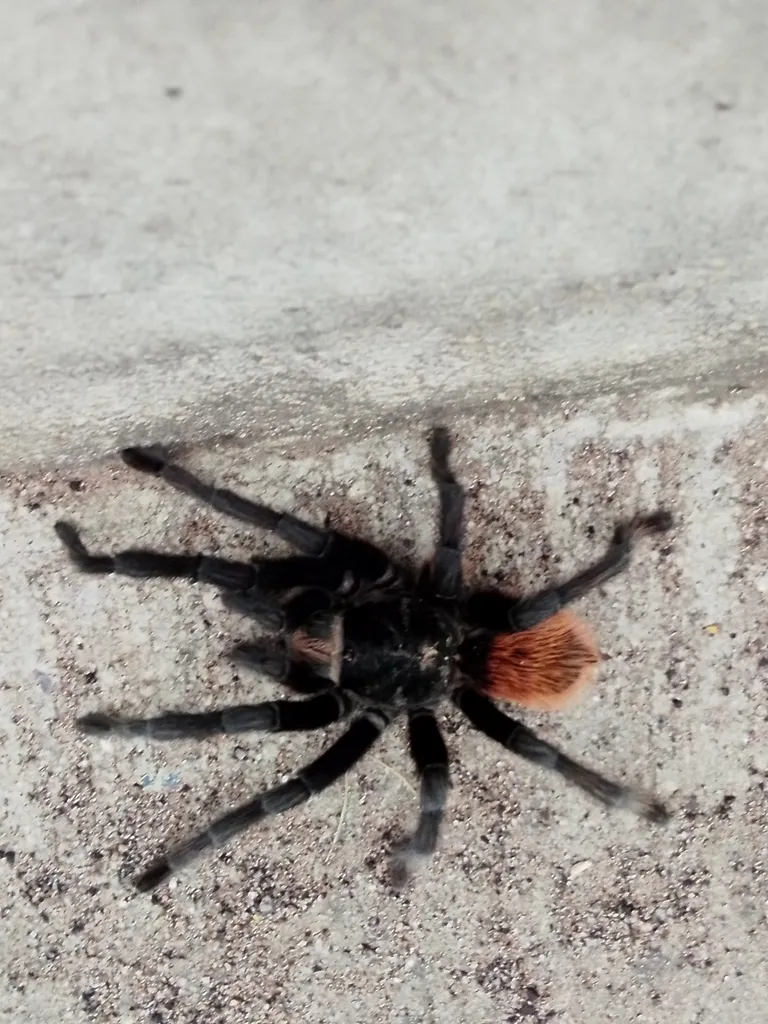
Understanding the Red Rump Tarantula Lifespan
The Red Rump Tarantula ( Brachypelma vagans ) is a popular pet tarantula known for its striking appearance and relatively docile temperament. One of the primary considerations for potential owners is the lifespan of these fascinating creatures. Understanding how long a red rump tarantula lives is crucial for providing appropriate care and setting realistic expectations. This guide provides a comprehensive overview of the factors influencing the lifespan of the red rump tarantula, helping you ensure a long and healthy life for your pet. The lifespan of a red rump tarantula can vary considerably depending on several factors, including sex, environmental conditions, and overall health. This article delves into all these aspects, providing valuable insights for both novice and experienced tarantula keepers.
Factors Influencing Red Rump Tarantula Lifespan
Several factors significantly impact the lifespan of a red rump tarantula. Recognizing and managing these factors is key to maximizing your pet’s longevity. These elements range from the tarantula’s inherent biological traits to external environmental conditions. By carefully considering these factors, you can create an optimal environment that supports a long and healthy life for your red rump tarantula. Understanding these elements is essential for responsible tarantula ownership, ensuring that you can provide the best possible care and enjoy your pet’s company for as long as possible.
Gender Differences in Lifespan

One of the most significant determinants of a red rump tarantula’s lifespan is its sex. There is a marked difference in the average lifespan between male and female tarantulas. Knowing these differences is critical when deciding whether to keep a male or female tarantula. The gender of your tarantula plays a vital role in the potential length of time you will have your pet. This section will delve into the specific lifespan expectations for each sex, helping you to better understand and plan for your tarantula’s care.
Male Red Rumps: Shorter Lifespan
Male red rump tarantulas typically have a significantly shorter lifespan compared to females. After reaching maturity, males generally live for only a few months to a year. This shorter lifespan is primarily due to their biological role in reproduction. Once a male reaches maturity, he is primarily focused on finding a mate, a process that expends a lot of energy. Moreover, the mating process itself can be physically demanding, further reducing their lifespan. Therefore, if you are looking for a long-term companion, a male red rump tarantula might not be the best choice. The shorter lifespan of males is a key consideration for any potential owner, and understanding this difference is crucial.
Female Red Rumps: Longer Lifespan
Female red rump tarantulas, on the other hand, can live for considerably longer, often ranging from 15 to 25 years or even longer. This extended lifespan makes females a more appealing choice for those seeking a long-term pet. The female’s biological role is centered around egg production, which, while energy-intensive, does not usually shorten their lifespan to the same extent as the mating behavior of males. The longevity of female red rump tarantulas underscores the importance of providing them with a proper environment, diet, and care to ensure they live a full and healthy life. This extended lifespan also provides ample opportunity for owners to bond with and enjoy their tarantula.
Impact of Environmental Conditions on Lifespan

The environment in which a red rump tarantula lives plays a crucial role in its overall health and lifespan. Providing the correct temperature, humidity, and enclosure setup can significantly impact how long your tarantula thrives. Ensuring optimal environmental conditions helps reduce stress, promote healthy molting cycles, and prevent potential health issues. Proper environmental management is a cornerstone of good tarantula care, directly influencing your pet’s ability to live a long and healthy life. This section highlights how environmental factors can impact the lifespan of your red rump tarantula, emphasizing the importance of careful attention to these elements.
Temperature and Humidity
Maintaining the correct temperature and humidity levels is vital for the well-being of your red rump tarantula. Red rumps thrive in a temperature range of 75-85°F (24-29°C). Consistent temperature fluctuations can stress the tarantula and potentially shorten its lifespan. Humidity levels should be maintained between 65-75%, depending on the age and size of the tarantula. Proper humidity supports the molting process and prevents dehydration. To achieve this, use a reliable thermometer and hygrometer to monitor the conditions. Regular misting and providing a shallow water dish can help maintain the required humidity levels. Correct temperature and humidity are fundamental to ensure your tarantula’s health and longevity, contributing to a comfortable and stress-free environment.
Enclosure Size and Setup
The enclosure size and setup are also essential to consider when caring for a red rump tarantula. The enclosure should be large enough for the tarantula to move comfortably, with enough space for burrowing and hiding. A small, cramped enclosure can lead to stress and hinder the tarantula’s well-being. The setup should include a substrate such as coconut fiber or peat moss, which helps maintain humidity and provides a natural environment. Provide hiding places, such as cork bark or artificial plants, to allow the tarantula to feel secure. The enclosure should also be well-ventilated to prevent the build-up of harmful gases. A properly sized and well-equipped enclosure is fundamental to the tarantula’s health, promoting both physical and psychological well-being, which ultimately impacts its lifespan. (See image: red-rump-tarantula-habitat.webp)
Diet and Nutrition for a Long Life

A well-balanced diet is critical for ensuring a long and healthy life for your red rump tarantula. Providing the right food in the correct quantities is essential for overall well-being and longevity. Understanding the nutritional needs of your tarantula and implementing a proper feeding schedule will help prevent health issues and support optimal growth. Diet and nutrition are fundamental aspects of tarantula care, greatly impacting their lifespan. This section will cover essential nutrients and the feeding frequency to help you create the best diet for your red rump.
Essential Nutrients
Red rump tarantulas are insectivores, primarily eating live insects. A varied diet is important for providing essential nutrients. Crickets, roaches, mealworms, and other insects should make up the bulk of the diet. It’s important to gut-load these insects before feeding them to your tarantula, meaning they should be fed nutritious food like vegetables and insect feed. This ensures your tarantula gets a balanced intake of vitamins and minerals. Supplementing their diet with calcium and vitamins may be beneficial, particularly for growing juveniles and egg-laying females. A balanced and varied diet helps prevent nutritional deficiencies and supports a healthy immune system, which is essential for longevity. (See image: red-rump-tarantula-feeding.webp)
Feeding Frequency
The feeding frequency for red rump tarantulas depends on their age and size. Spiderlings and juveniles should be fed more frequently, typically every 2-3 days. Adult tarantulas can be fed less often, usually once or twice a week. Adjust the feeding schedule based on the tarantula’s behavior and appetite. Overfeeding can lead to obesity and health problems, while underfeeding can stunt growth. It is crucial to remove any uneaten food within 24 hours to prevent mold and mites. A consistent and appropriate feeding schedule is essential for maintaining a healthy weight and ensuring optimal health, which ultimately impacts the lifespan of your tarantula.
Common Health Issues and Their Impact

Like any living creature, red rump tarantulas can suffer from various health issues that can affect their lifespan. Recognizing the common health problems and knowing how to prevent or treat them is essential for responsible tarantula ownership. Regular observation and a proactive approach to health care can significantly extend your pet’s life. This section will cover common ailments and explain how to mitigate their impact, ensuring your tarantula enjoys a long and healthy life.
Parasites and Diseases
Red rump tarantulas can be susceptible to parasites and diseases. Mites are a common parasite that can infest tarantulas, causing irritation and potentially spreading disease. Preventative measures include maintaining a clean enclosure and quarantining new tarantulas before introducing them to an existing collection. Fungal infections can also occur, often linked to high humidity and poor ventilation. Maintaining proper humidity levels and ventilation is critical to prevention. If you suspect your tarantula has a parasite or disease, seek veterinary advice from a qualified exotic animal veterinarian immediately. Early detection and treatment are crucial for preventing severe health problems and extending your tarantula’s lifespan. (See image: red-rump-tarantula-health.webp)
Injuries and Accidents
Tarantulas can be injured from falls, bites, or during the molting process. Providing a suitable enclosure with adequate substrate depth and hiding places can minimize the risk of falls. Handle your tarantula with care to prevent accidental injuries. During molting, the tarantula is vulnerable; ensure the environment is undisturbed and avoid handling during this time. A healthy molting process is crucial for overall health and growth. If an injury occurs, seek expert veterinary advice. Providing a safe and stable environment is the best way to prevent injuries, ensuring a longer and healthier life for your pet. (See image: red-rump-tarantula-molting.webp)
Maximizing Your Red Rump’s Lifespan

Ensuring a long and healthy life for your red rump tarantula involves a combination of proactive care, attention to detail, and a commitment to providing an optimal living environment. By focusing on specific care practices and maintaining a close watch on your pet’s health, you can significantly increase the chances of your tarantula living a long and fulfilling life. This section summarizes the key steps you can take to maximize your red rump’s lifespan.
Creating the Ideal Habitat
Creating the ideal habitat involves providing an appropriately sized enclosure with the correct temperature, humidity, and substrate. Ensure the enclosure is well-ventilated and includes hiding places to make your tarantula feel secure. Regularly clean the enclosure and remove any uneaten food or waste to prevent the build-up of harmful bacteria and parasites. Monitor the temperature and humidity levels daily, making adjustments as needed. A well-designed and maintained habitat is fundamental to your tarantula’s physical and psychological well-being, setting the foundation for a long and healthy life. (See image: red-rump-tarantula-habitat.webp)
Providing Proper Nutrition
Providing proper nutrition is crucial for maintaining the health and longevity of your red rump tarantula. Offer a varied diet of gut-loaded insects, ensuring they are packed with essential nutrients. Adjust feeding frequency based on the tarantula’s age and size, avoiding both overfeeding and underfeeding. Always remove any uneaten food within 24 hours to maintain a clean environment. Supplement the diet with vitamins and calcium if needed, especially for juveniles and egg-laying females. A well-balanced diet supports healthy growth, robust immune function, and overall vitality, all of which contribute to a long and fulfilling life.
Regular Health Checks

Regular health checks are essential for early detection and treatment of potential health issues. Observe your tarantula regularly for signs of illness, such as lethargy, loss of appetite, or unusual behavior. Monitor the molting process, and ensure it goes smoothly. Check for any signs of parasites or injuries. Keep a record of your tarantula’s feeding habits, molting cycles, and any changes in behavior. Consult with a veterinarian specializing in exotic animals if you have concerns about your tarantula’s health. Early intervention can prevent serious health problems and extend your pet’s lifespan. (See image: red-rump-tarantula-male.webp)(See image: red-rump-tarantula-female.webp)