Top 5 Facts about Redknee Tarantulas for Sale
The Redknee Tarantula (Brachypelma hamorii), a captivating and popular pet, often sparks interest with its striking appearance and relatively docile nature. This guide unveils five key facts about these fascinating creatures, perfect for anyone considering a redknee tarantula for sale. From their natural habitat to the intricacies of their care, this article provides essential insights to help you understand and appreciate these impressive arachnids. Owning a tarantula is a rewarding experience, and knowing these facts will ensure you’re well-prepared to provide the best possible care for your new pet. This comprehensive guide covers everything from where they originate to the responsibilities that come with ownership, enabling you to make an informed decision before bringing a redknee tarantula into your home. Understanding their needs is crucial for both the tarantula’s well-being and your peace of mind, guaranteeing a positive and fulfilling experience for both pet and owner.
Habitat and Origin (Fact 1)
Redknee Tarantulas are native to the arid scrublands and tropical deciduous forests of the Pacific coast of Mexico. They are primarily found in the states of Guerrero and Michoacán, where they inhabit burrows in the ground, often under rocks, logs, or within the root systems of plants. These tarantulas thrive in a warm, dry environment, which dictates their preferred habitat. Their natural environment influences their behavior and care requirements when kept in captivity. This geographical origin is critical for understanding their needs, especially in terms of temperature, humidity, and substrate. Providing a habitat that mimics their natural environment is essential for their health and well-being, as they are well-adapted to the specific conditions of their native lands. Recognizing their origin also helps in appreciating the conservation status of the species and supporting responsible pet ownership practices.
Characteristics and Appearance (Fact 2)

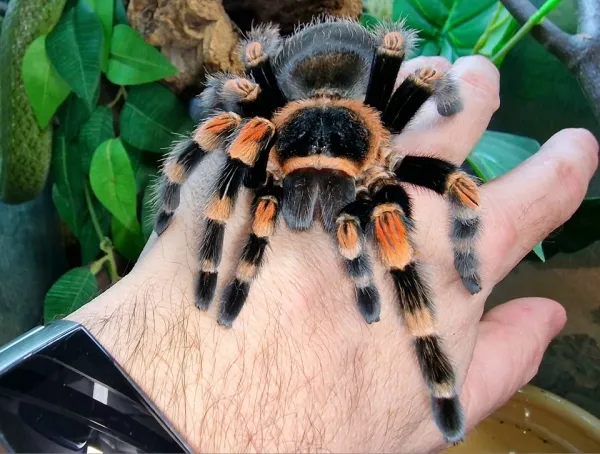
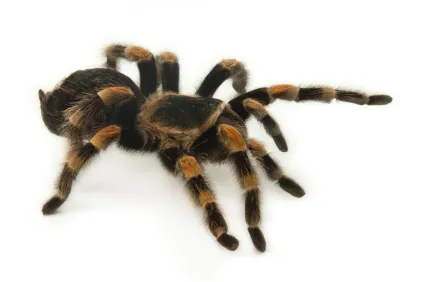
The Redknee Tarantula is instantly recognizable by its striking appearance. The most prominent feature is the vibrant red-orange coloration on the joints of its legs, which contrasts beautifully against the dark, velvety black body and carapace. The females are generally larger than males, with a lifespan that can exceed 20 years. Their bodies are covered in fine hairs, which they can flick off as a defense mechanism. These hairs can cause irritation if they come into contact with human skin or eyes. The tarantula’s size ranges depending on the individual, the environment and sex. As they mature, their colors intensify, making them even more visually appealing. The overall appearance is robust and imposing, yet the tarantula is relatively gentle, making it a popular choice for tarantula enthusiasts. Their unique coloration and impressive size add to their appeal, making them a sought-after pet.
Size and Lifespan
Redknee tarantulas are known for their longevity, particularly the females, who can live for 20 to 30 years. Males, however, have a much shorter lifespan, typically only living for 5 to 10 years. This difference in lifespan significantly influences ownership considerations. Females grow to an impressive size, with a leg span that can reach up to 6 inches or more, while males are generally smaller. Understanding their growth rate and lifespan is vital for planning and providing appropriate care throughout their lives. The long lifespan of females underscores the importance of long-term commitment and proper habitat planning. The size of the enclosure, the type of food, and the overall maintenance requirements will change as the tarantula grows. This knowledge helps owners prepare for the changing needs of their tarantulas and provides a rewarding long-term experience.
Temperament and Handling
Redknee tarantulas are generally known for their docile temperament, which contributes to their popularity as pets. However, handling should always be approached with caution. While they are not typically aggressive, they can bite if they feel threatened. Their primary defense mechanism is to flick urticating hairs, which can cause skin irritation. Handling is not recommended unless necessary, as it can stress the tarantula. If handling is required, it should be done gently and carefully, ideally with the tarantula walking onto your hand rather than being picked up. Always wash your hands thoroughly before and after handling to prevent the transfer of any harmful substances. Observing their behavior and understanding their needs is crucial for maintaining a safe and positive relationship. It’s best to appreciate them from their habitat.
Care and Housing (Fact 3)

Creating the right environment is essential for the health and well-being of your redknee tarantula. This involves selecting a suitable enclosure, providing appropriate substrate, and maintaining optimal temperature and humidity levels. The enclosure should be escape-proof and sized appropriately for the tarantula’s size, with enough space to move around and burrow. The substrate should be a mix of materials like peat moss, vermiculite, and coconut fiber, which retains moisture and allows the tarantula to burrow. The temperature should be maintained between 75-85°F (24-29°C), and the humidity should be kept around 60-70%. Regular monitoring and maintenance are required to ensure the habitat remains clean and healthy. Consistent care practices contribute to the tarantula’s comfort and lifespan. Proper housing provides a secure and enriching environment, mimicking their natural habitat and contributing to their overall well-being. This will ensure they thrive in captivity.
Enclosure Setup
Setting up the enclosure properly is crucial for the comfort and well-being of your redknee tarantula. The enclosure should be made of glass or plastic, with a secure lid to prevent escapes. The size of the enclosure should be appropriate for the tarantula’s size. For a juvenile, a 5-10 gallon tank is often suitable, while an adult will require a 10-20 gallon tank or larger. The substrate, which covers the bottom of the enclosure, should be several inches deep to allow for burrowing. Good substrate choices include a mix of peat moss, vermiculite, and coconut fiber, which also helps to maintain the correct humidity levels. Provide a shallow water dish, and include a hide, such as a piece of cork bark or a cave, for the tarantula to retreat to. The enclosure should be placed away from direct sunlight and drafts to maintain a stable temperature and humidity. Regular cleaning and maintenance of the enclosure are essential to prevent the buildup of bacteria or mold. Proper setup will improve their lives and make you a great owner.
Feeding and Diet
Redknee tarantulas are carnivores and primarily feed on insects. Crickets, mealworms, and roaches are common food items. The frequency of feeding depends on the tarantula’s age and size. Juveniles should be fed more frequently, typically every other day, while adults can be fed once or twice a week. Ensure the food items are no larger than the tarantula’s body size. Remove uneaten food after 24 hours to prevent mold growth and maintain a clean environment. Always provide a shallow dish of fresh water for the tarantula to drink. Avoid overfeeding, as this can lead to health problems. The diet should be varied to ensure the tarantula receives the necessary nutrients. Offer a variety of insects to provide a balanced diet. Proper feeding habits contribute significantly to the tarantula’s health and longevity. Keep in mind that their diet can vary and will change through different growth stages.
Common Health Issues

Redknee tarantulas are generally hardy, but they can be susceptible to certain health issues. Improper humidity levels can lead to problems during molting. Ensure the humidity is maintained at the correct level to facilitate successful molting. Parasites can also be a concern. Always purchase your tarantula from a reputable source to minimize the risk of introducing parasites. Preventative measures, such as maintaining a clean enclosure and providing a balanced diet, are essential. Be observant for signs of illness, such as lethargy, loss of appetite, or unusual behavior. If you notice any health problems, consult a veterinarian who specializes in exotic animals. Prompt attention to any health issues is essential to ensure a long and healthy life for your tarantula. Proper care and maintenance practices can help you avoid a lot of potential health problems.
Cost and Availability (Fact 4)
The cost and availability of redknee tarantulas can vary depending on the source, age, and size of the tarantula. They are commonly available from reputable breeders, pet stores, and online retailers specializing in exotic pets. The price typically ranges from $20 to $100 or more. Larger, older females tend to be more expensive due to their longer lifespans. When purchasing, it’s important to choose a reputable source to ensure the tarantula is healthy and well-cared for. Research the seller and read reviews before making a purchase. Consider the additional costs associated with ownership, such as the enclosure, substrate, food, and any necessary supplies. These costs should be factored into your budget before bringing a redknee tarantula home. Be sure to budget for regular care.
Where to Find Redknee Tarantulas for Sale
Redknee tarantulas are available from a variety of sources. Reputable breeders are often the best option, as they specialize in these creatures and can provide information about their care and health. Local pet stores that specialize in exotic pets may also carry redknee tarantulas. Online retailers offer a wide selection, but it’s essential to research the seller and read reviews before purchasing. Attending reptile shows and expos can also be a great way to find redknee tarantulas and meet other enthusiasts. Always prioritize the health and well-being of the tarantula when selecting a source. Ask questions about the tarantula’s origin, health, and care requirements. Choosing a reputable source will significantly increase your chances of getting a healthy and well-adjusted tarantula. Thorough research will contribute to a rewarding experience.
Price Range

The price of a redknee tarantula can vary based on several factors. The age and size of the tarantula are significant determinants of price. Juveniles are typically less expensive than adults. The sex of the tarantula can also affect the price, as females are often more expensive due to their longer lifespans. The breeder or seller also influences the price. Reputable breeders may charge more due to their expertise and the care they provide. The overall health and appearance of the tarantula can also affect the price, with healthier, more vibrant tarantulas commanding a higher price. Be prepared to spend somewhere between $20 to $100 or more. Budget for the additional costs. It is important to consider the overall cost of ownership, including the enclosure, substrate, food, and other supplies. Comparing prices from different sources can help you find a fair deal while ensuring the health and well-being of the tarantula.
Legality and Regulations
Before purchasing a redknee tarantula, it’s essential to understand any local, state, or federal regulations regarding their ownership. In some areas, permits may be required, or certain restrictions may apply. Research your local laws and regulations to ensure that you are in compliance. Some areas may have restrictions on the number of tarantulas you can own or the types of enclosures you can use. Non-compliance with regulations can result in penalties. Understanding the regulations will enable you to avoid any legal issues. Always check with your local authorities or animal control agencies to determine if there are any specific requirements. Confirming the legality of ownership ensures a smooth and responsible pet ownership experience.
Responsible Ownership (Fact 5)
Responsible ownership is crucial for ensuring the well-being of your redknee tarantula. This includes providing proper care, understanding their needs, and being prepared for the commitment involved. Researching their specific requirements, including habitat, diet, and health, is essential. Provide a safe and enriching environment, and be prepared to provide long-term care, as females can live for several decades. Make sure the tarantula is handled with care. Understand their temperament, avoid handling unless necessary, and be prepared for potential bites or urticating hairs. Be informed and prepared for any potential health issues. Consult with a veterinarian experienced with exotic animals if you notice any problems. Responsible ownership also means being prepared for the long-term commitment involved. Owning a redknee tarantula requires careful planning and ongoing dedication.
Benefits of Owning a Redknee Tarantula
Owning a redknee tarantula can be a rewarding experience. They are relatively low-maintenance pets, requiring less daily care compared to dogs or cats. They are fascinating creatures to observe, providing a unique and educational opportunity to learn about arachnids. Their docile nature and striking appearance make them appealing to many pet owners. They don’t require a lot of space. This makes them suitable for people living in apartments or small spaces. Owning a redknee tarantula can be a unique way to connect with nature. Their relatively low cost of care makes them an affordable pet option. Owning a redknee tarantula is a unique and educational opportunity for those interested in exotic pets and arachnids.
Things to Consider Before Buying
Before purchasing a redknee tarantula, it’s important to consider several factors. Research the specific needs of redknee tarantulas and ensure you can provide the appropriate care. Assess your lifestyle and determine if you can dedicate the time and resources required for their care. Consider the long-term commitment, as females can live for decades. Ensure you have a suitable enclosure, substrate, and other necessary supplies before bringing a tarantula home. Make sure you have the financial resources to cover the cost of food, supplies, and potential veterinary care. Assess your comfort level with handling and the potential risks involved. Ensure there are no allergies within the household. Consider the ethical implications of owning an exotic pet. Carefully consider all these factors to determine if owning a redknee tarantula is the right choice for you. This will ensure a safe and rewarding experience.