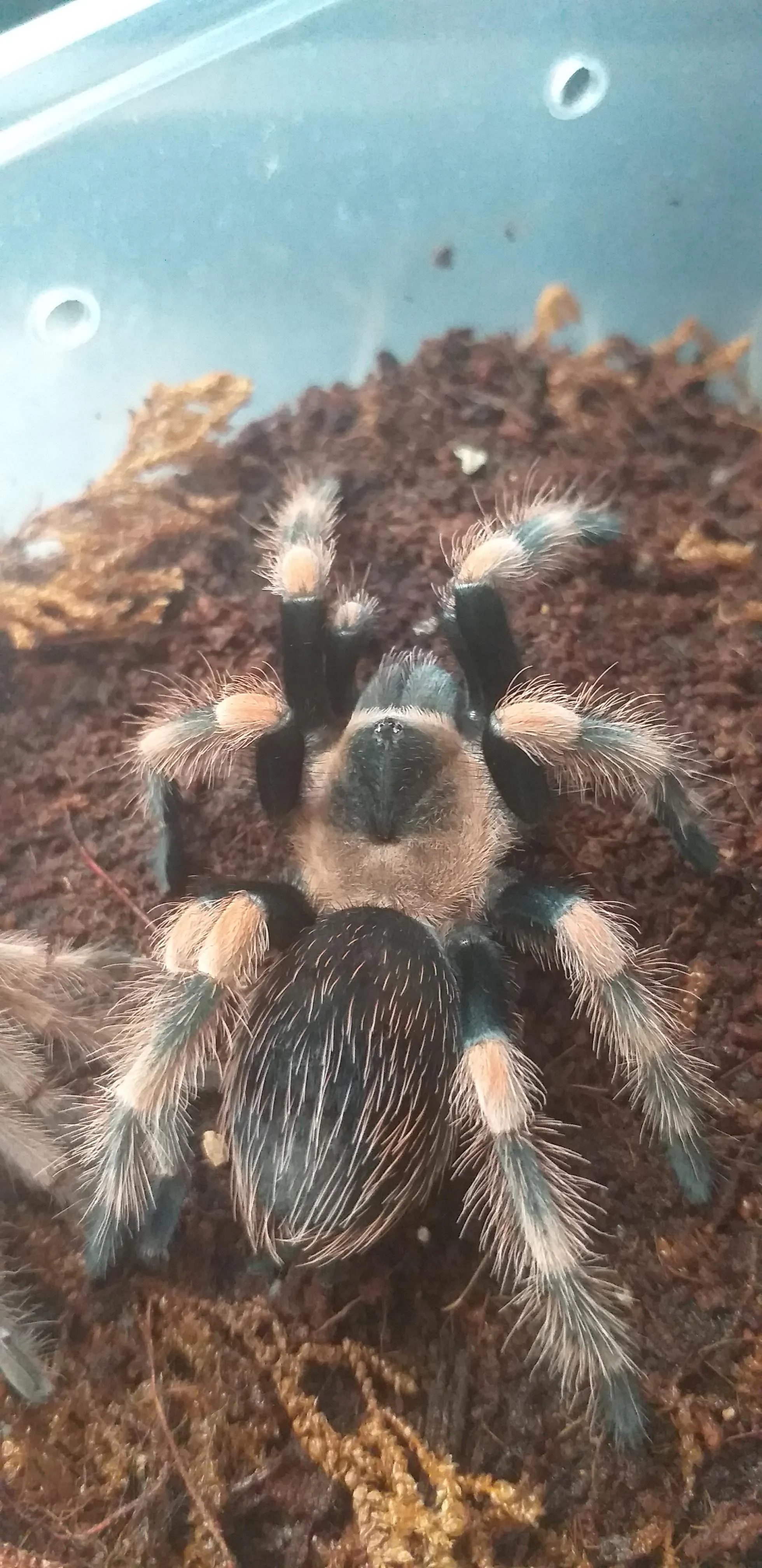
Redknee Tarantula Physical Features Top 5 Facts
The Redknee Tarantula (Brachypelma hamorii), a captivating species native to the arid regions of Mexico, is a popular pet known for its striking appearance and relatively docile temperament. Understanding the physical features of this arachnid is key to appreciating its beauty, knowing how to care for it, and understanding its behavior. This article will delve into the most fascinating physical attributes of the Redknee Tarantula, providing you with a comprehensive guide to these amazing creatures. From their iconic coloration to the intricate details of their exoskeleton, we’ll uncover the secrets that make this tarantula a favorite among enthusiasts. Get ready to discover five essential facts about the physical characteristics of this remarkable spider.
Size and Appearance
The Redknee Tarantula’s size and overall appearance are among its most striking features. These tarantulas are relatively large spiders, with adult females generally growing larger than males. Their robust bodies are covered in a dense layer of hairs, which give them a velvety texture. The overall appearance contributes to their appeal as pets, with many people finding the combination of size, color, and texture fascinating. Proper understanding of their size is crucial for providing adequate housing, and observing their general appearance helps in assessing their overall health and well-being. The visual appeal of a Redknee Tarantula is a significant part of its charm, making it a captivating subject for observation and care.
Leg Span and Body Length

Redknee Tarantulas typically have a leg span of up to 5 to 6 inches (12 to 15 cm) for females, making them quite imposing creatures. Males are usually slightly smaller. The body length, excluding the legs, is around 2 to 3 inches (5 to 7.6 cm). This size difference between males and females is a common trait in many tarantula species. The substantial leg span allows them to move swiftly and effectively across various terrains. The body length contributes to their overall size and appearance, making them one of the larger tarantula species kept as pets. When considering keeping a Redknee Tarantula, it is important to have an enclosure that will accommodate its leg span and body length, ensuring they have sufficient space to move and live comfortably.
Coloration and Markings
The coloration of the Redknee Tarantula is one of its most distinctive physical features. They are known for their striking black body and the vibrant orange-red bands on their legs, particularly at the knee joints. This contrasting color scheme is what gives them their common name and makes them visually appealing. The intensity of the colors can vary based on the tarantula’s age, molting cycle, and overall health. Generally, younger tarantulas have less vivid colors, which gradually become more pronounced as they mature. Healthy tarantulas will display the most vibrant hues, making it a good indicator of their well-being. The combination of black and red markings is a visual treat, making the Redknee Tarantula a standout species for any enthusiast. The color variations are a sight to behold and add significantly to its unique aesthetic.
Exoskeleton Structure
The exoskeleton of the Redknee Tarantula is a tough, protective outer layer made of chitin. This exoskeleton provides structural support, protects the spider from predators and environmental hazards, and prevents water loss. The exoskeleton is not flexible, so the tarantula must shed it through a process called molting to grow. The rigid structure of the exoskeleton means the tarantula’s body must go through several stages of shedding the old shell and growing a new one. The exoskeleton is crucial for the spider’s survival, serving as both armor and an anchor for muscles. The physical structure of the exoskeleton directly impacts its movement, protection, and overall well-being. Understanding this is critical to comprehending their vulnerability during molting and the importance of providing appropriate care.
The Function of Hairs

Redknee Tarantulas, like other tarantulas, are covered in various types of hairs. These hairs serve multiple functions, including sensory perception, defense, and even helping the tarantula climb. Some hairs act as mechanoreceptors, detecting vibrations and air movements, which helps them locate prey and avoid predators. The urticating hairs, located on the abdomen, are a key defense mechanism. When threatened, the tarantula flicks these hairs toward the perceived threat, causing irritation. The dense layer of hairs provides insulation, helping to regulate body temperature. Understanding the function of hairs is key to understanding how Redknee Tarantulas interact with their environment. They serve various purposes, from sensory to defense, highlighting how carefully adapted these spiders are to their habitats and lifestyles. The hair also helps to give the tarantula its velvety appearance, adding to its appeal.
Molting Process
Molting is a crucial part of the Redknee Tarantula’s life cycle, as it is how they grow and replace their exoskeleton. During this process, the tarantula sheds its old exoskeleton to reveal a new, larger one underneath. The molting frequency decreases as the tarantula ages, occurring more frequently in juveniles and less often in adults. Before molting, the tarantula may stop eating, become lethargic, and appear dull in color. The molting process leaves the tarantula vulnerable because the new exoskeleton is soft. After molting, the tarantula is soft and tender, and it takes time for the new exoskeleton to harden fully. The molting process is a fascinating spectacle for tarantula keepers, and it is important to avoid disturbing the spider during this time. Ensuring a suitable environment during molting is essential for the spider’s well-being and proper growth.
Distinctive Features
Beyond the general size and coloration, the Redknee Tarantula possesses several distinctive physical features that set it apart. These features play an important role in its survival and behavior. The chelicerae and fangs are essential for feeding, while the pedipalps serve sensory and reproductive purposes. The arrangement and structure of these features provide essential clues to the tarantula’s lifestyle and how it interacts with its environment. These unique aspects make the Redknee Tarantula even more interesting to observe and study, enabling us to better understand the species’ biology.
Chelicerae and Fangs

The chelicerae are the mouthparts of the Redknee Tarantula, consisting of two segmented appendages. These structures are located near the mouth and bear the fangs. The fangs are sharp and are used to inject venom into prey. The size of the fangs corresponds to the size of the tarantula, as they grow proportionally with each molt. The chelicerae are also used to manipulate and break down food. The chelicerae and fangs work together to capture, subdue, and feed. When observing a tarantula, one should always be mindful of these features, since they are critical to both feeding and defense. These are vital elements of the tarantula’s survival, equipping it with the means to capture and consume prey, ensuring its survival.
Pedipalps and Their Role
Pedipalps are small, leg-like appendages located near the mouth of the Redknee Tarantula. In females, pedipalps are primarily used for sensory purposes, helping the tarantula feel its environment. In males, pedipalps are modified into palpal bulbs, which are used for reproduction. Males use these palpal bulbs to transfer sperm to the female. The pedipalps also play a role in manipulating food. Understanding the use of pedipalps is essential for sexing tarantulas, as the presence or absence of palpal bulbs indicates the sex of the tarantula. The pedipalps are important for sensory and reproductive functions, and they provide additional information about the tarantula’s sex and its biology. The pedipalps, though small, play an important role in both the day-to-day life and the species’ survival.
Lifespan and Growth
The lifespan of the Redknee Tarantula is a significant factor in its appeal as a pet. Females can live for a surprisingly long time, often exceeding 20 years. Males have a shorter lifespan, typically only living a few years after reaching maturity. The tarantula’s growth is determined by molting, which becomes less frequent as the spider ages. Providing a proper habitat, adequate nutrition, and careful handling are crucial for extending the lifespan of these magnificent arachnids. The long lifespan of females is a draw for many pet owners, as it allows them to enjoy the company of these spiders for many years. The lifespan is also dependent on the care it receives, which is an important consideration for anyone thinking about keeping a Redknee Tarantula.
Growth Stages

Redknee Tarantulas go through several growth stages as they mature. Juveniles molt frequently, often every few months, allowing them to increase in size. As they grow older, molting frequency decreases to once a year or even less. The growth stages are characterized by changes in size, color, and physical features. Careful observation of the tarantula can allow you to track its progress. Understanding these growth stages will assist in meeting the spider’s needs. The growth stages are essential to observe if you are a Redknee Tarantula keeper. The progression from a young spider to a full adult showcases these creatures’ resilience and adaptability.
Sexual Dimorphism
Sexual dimorphism, the differences in physical appearance between males and females of the same species, is evident in Redknee Tarantulas. Males are generally smaller and have a shorter lifespan. Females are larger, with a longer lifespan, and typically display brighter colors. The presence of palpal bulbs on the pedipalps is the most obvious way to distinguish a male from a female. These differences are essential for identifying the sex of a tarantula and understanding their role in reproduction. Understanding these differences is important for those who want to breed Redknee Tarantulas and is also a fascinating aspect of the spider’s biology. Recognizing these differences can also contribute to your understanding of its behavior and life cycle. The clear sexual dimorphism makes it relatively easy to distinguish between males and females.