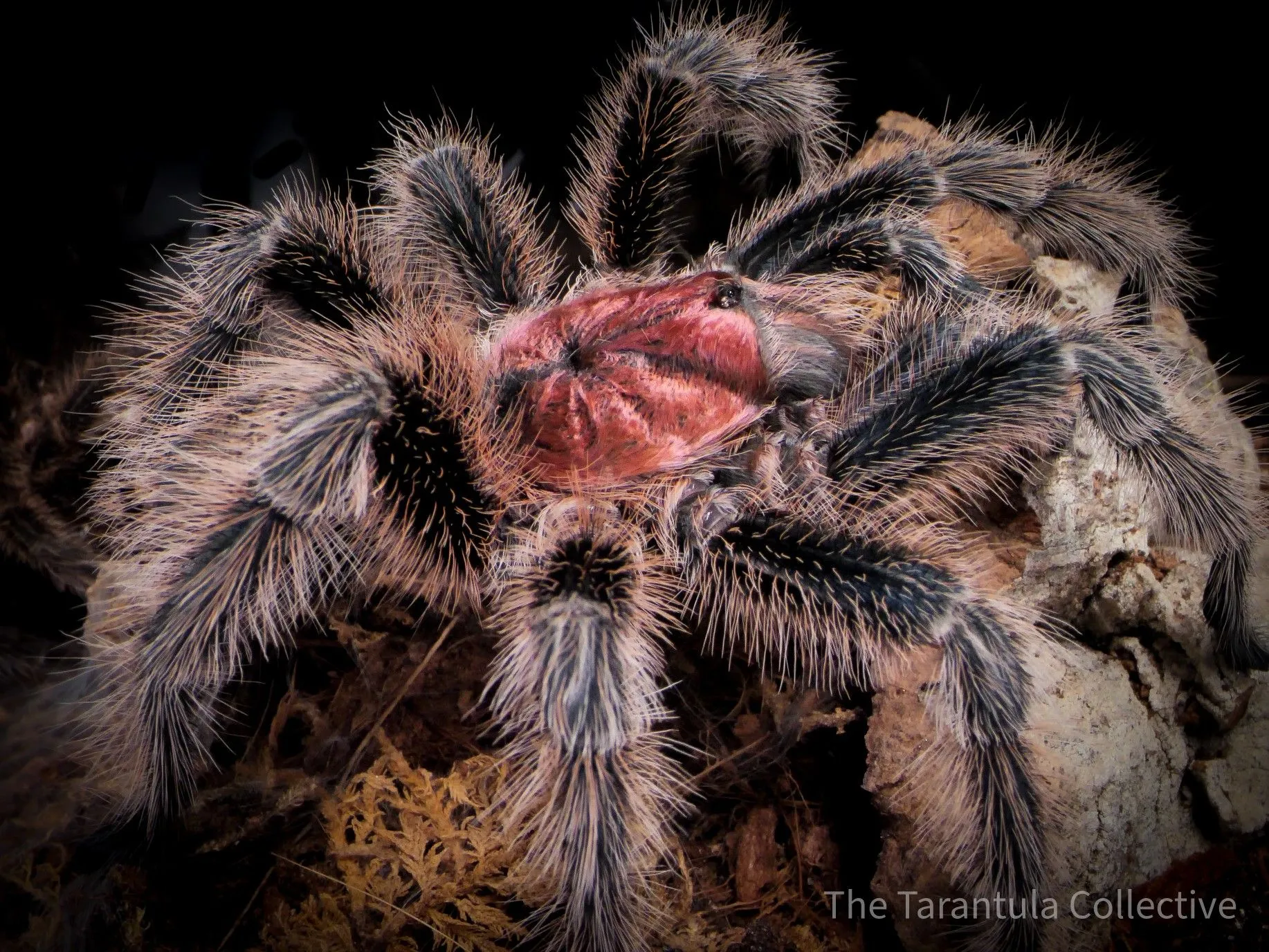
Top 5 Effects of a Rose Hair Tarantula Bite
Being bitten by a Rose Hair Tarantula can be a surprisingly common experience for owners and handlers. While these spiders are not typically aggressive, bites can occur if they feel threatened or are accidentally mishandled. Understanding the effects of a Rose Hair Tarantula bite is crucial for anyone who owns or interacts with these fascinating creatures. It’s important to note that the severity of the effects can vary depending on the individual, the size of the spider, and the location of the bite. In most cases, the effects are mild and localized, but being prepared for potential reactions is essential. This article will delve into the top 5 effects, providing a comprehensive guide to what you might expect and how to manage these situations effectively.
Immediate Pain and Discomfort
The initial sensation of a Rose Hair Tarantula bite is often described as a sharp, stinging pain. This pain is caused by the spider’s fangs penetrating the skin and injecting venom. The venom contains various enzymes and proteins designed to immobilize prey. While the venom of a Rose Hair Tarantula is not considered highly toxic to humans, it can still cause localized discomfort. The intensity of the pain can vary, but it usually subsides within a few hours. The immediate response is often a burning or prickling sensation, followed by a more generalized ache.
Understanding the Initial Sensation
When a Rose Hair Tarantula bites, the sensation is immediate. The initial sting is similar to that of a bee or wasp, although typically less severe. The fangs are sharp and can cause a small puncture wound. The introduction of venom triggers a rapid, localized response in the tissues. This initial sensation is crucial for understanding the subsequent effects. The body’s natural reaction begins immediately, attempting to neutralize the venom and repair the damaged tissue. This early response sets the stage for the development of other symptoms, such as swelling and redness.
Duration and Intensity of the Pain
The duration and intensity of the pain from a Rose Hair Tarantula bite can differ from person to person. Factors such as individual pain tolerance, the depth of the bite, and the amount of venom injected all play a role. Generally, the acute pain subsides within a few hours. However, a dull ache or tenderness may persist for a day or two. The level of pain experienced is often relatively minor, but it can be quite uncomfortable. Applying a cold compress and taking over-the-counter pain relievers, if necessary, can help manage the discomfort and promote healing. In most cases, the pain is not severe enough to require medical intervention.
Localized Swelling and Redness
Swelling and redness are common responses to a Rose Hair Tarantula bite. The body’s immune system reacts to the venom, causing inflammation at the site of the bite. This inflammatory response is a natural defense mechanism, designed to isolate and neutralize the foreign substances. The degree of swelling and redness can vary. Some individuals may experience minimal swelling, while others may develop more noticeable inflammation around the bite area. Typically, the swelling reaches its peak within a few hours of the bite and gradually decreases over the next day or two.
The Body’s Inflammatory Response

The inflammatory response is the body’s way of protecting itself against harm. When venom is introduced, the body releases chemicals that cause blood vessels to dilate, increasing blood flow to the area. This increased blood flow brings immune cells and other substances needed for healing. This process is responsible for the redness and swelling associated with the bite. The inflammatory response can also cause warmth and tenderness in the affected area. Although uncomfortable, this response is essential for removing the venom and repairing the damaged tissue. Understanding the role of inflammation helps in managing the symptoms effectively.
Appearance and Progression of Swelling
The appearance of swelling and redness provides useful clues about the severity of the bite. Initially, the area around the bite may appear slightly raised and red. Over time, the swelling may increase, and the redness may spread. The size of the affected area varies, but it usually remains localized. It’s important to monitor the progression of swelling and redness. If the swelling becomes excessive, spreads rapidly, or is accompanied by other symptoms, such as difficulty breathing or a rash, seek medical attention immediately. In most cases, the swelling and redness are mild and resolve within a few days.
Itching and Irritation
Itching and irritation are common secondary effects of a Rose Hair Tarantula bite. The release of histamine and other chemicals during the inflammatory response can cause the skin to become itchy. The itchiness can range from mild to moderate and is often accompanied by a general feeling of discomfort. Scratching the area can worsen the irritation and potentially lead to infection. Managing the itch is crucial for preventing complications and ensuring the healing process goes smoothly. Antihistamines and topical creams can provide relief and reduce the urge to scratch.
Causes and Mechanisms of Itching

Itching is a result of the body’s immune response to the venom. The release of histamine, a chemical messenger, is a primary driver of the itch. Histamine causes the blood vessels to dilate, increasing blood flow to the area and stimulating nerve endings. This stimulation triggers the sensation of itchiness. The inflammatory response also plays a role, as it can irritate the skin and increase the sensitivity to touch. Understanding the mechanisms behind the itch helps in selecting appropriate treatments to alleviate the discomfort. Avoiding scratching the affected area is essential to prevent skin damage and infection.
Managing the Itch
Several strategies can effectively manage the itch associated with a Rose Hair Tarantula bite. Applying a cold compress to the affected area can provide temporary relief by reducing inflammation and numbing the skin. Over-the-counter antihistamine medications can block the effects of histamine, reducing the urge to scratch. Calamine lotion and other topical anti-itch creams can also soothe the skin and provide relief. It’s important to avoid scratching the area, as this can break the skin, increase the risk of infection, and potentially prolong the healing process. Keep the area clean and consider wearing loose-fitting clothing to minimize irritation.
Muscle Cramps and Stiffness
In some cases, a Rose Hair Tarantula bite can cause muscle cramps and stiffness, especially if the bite is near a joint or in a muscle group. The venom can affect nerve function, leading to muscle spasms and discomfort. These symptoms are generally mild and temporary, but they can be bothersome. Muscle cramps may feel like sudden, involuntary contractions, while stiffness can restrict movement and cause pain. Managing these symptoms involves rest, hydration, and, in some cases, over-the-counter pain relievers or muscle relaxants. Applying a warm compress can also help to relax the muscles and reduce stiffness.
Why Muscle Issues Occur

The reason for muscle cramps and stiffness following a Rose Hair Tarantula bite is not fully understood but is likely linked to the venom’s effects on the nervous system. The venom may interfere with the transmission of nerve signals, leading to involuntary muscle contractions. Additionally, the inflammatory response can irritate the muscles and surrounding tissues, causing stiffness. The location of the bite can also affect the severity of the symptoms. Bites near joints or in areas with a high concentration of muscles may lead to more pronounced issues. Understanding the underlying causes helps in selecting appropriate treatment methods.
Alleviating Muscle Problems
Several strategies can help alleviate muscle cramps and stiffness caused by a Rose Hair Tarantula bite. Rest and relaxation are essential, allowing the muscles to recover. Staying hydrated is also crucial, as dehydration can exacerbate muscle cramps. Applying a warm compress or taking a warm bath can help relax the muscles and reduce stiffness. Gentle stretching can improve flexibility and reduce discomfort. Over-the-counter pain relievers, such as ibuprofen or acetaminophen, can help manage pain and inflammation. If the muscle cramps and stiffness are severe or persistent, it’s advisable to consult a healthcare professional to rule out any other potential issues.
Psychological Effects & Anxieties
Being bitten by a Rose Hair Tarantula can trigger psychological effects, including anxiety and fear. The suddenness of the bite and the physical sensations it produces can be frightening, especially if the individual is unfamiliar with tarantulas or has a phobia. The experience can lead to a heightened state of alertness, making it difficult to relax. These psychological effects are a natural response to a stressful event. Addressing these anxieties is important for promoting emotional well-being and ensuring a positive experience with tarantulas. Providing reassurance and understanding can go a long way in alleviating the psychological distress.
Emotional Responses to the Bite
The emotional responses to a Rose Hair Tarantula bite can vary widely from person to person. Some individuals may experience a mild sense of unease, while others may feel intense fear or panic. The initial shock of being bitten, combined with the physical sensations, can trigger a fight-or-flight response. This response can lead to increased heart rate, rapid breathing, and a general feeling of anxiety. The individual’s previous experiences with spiders, their personality, and their overall mental health can influence their emotional response. Recognizing these emotional responses and seeking appropriate support are essential for coping with the situation effectively.
Coping with Fear and Anxiety
Several strategies can help individuals cope with fear and anxiety following a Rose Hair Tarantula bite. Staying calm and reassuring the individual that the effects are typically mild is crucial. Providing accurate information about the bite and its potential effects can reduce anxiety by demystifying the situation. Encouraging deep breathing exercises or other relaxation techniques can help to calm the nervous system. Creating a supportive environment where the individual feels safe and understood can also provide emotional comfort. Seeking professional help from a therapist or counselor may be beneficial for individuals experiencing significant anxiety or phobias. Addressing the psychological effects of a bite is essential for overall well-being.