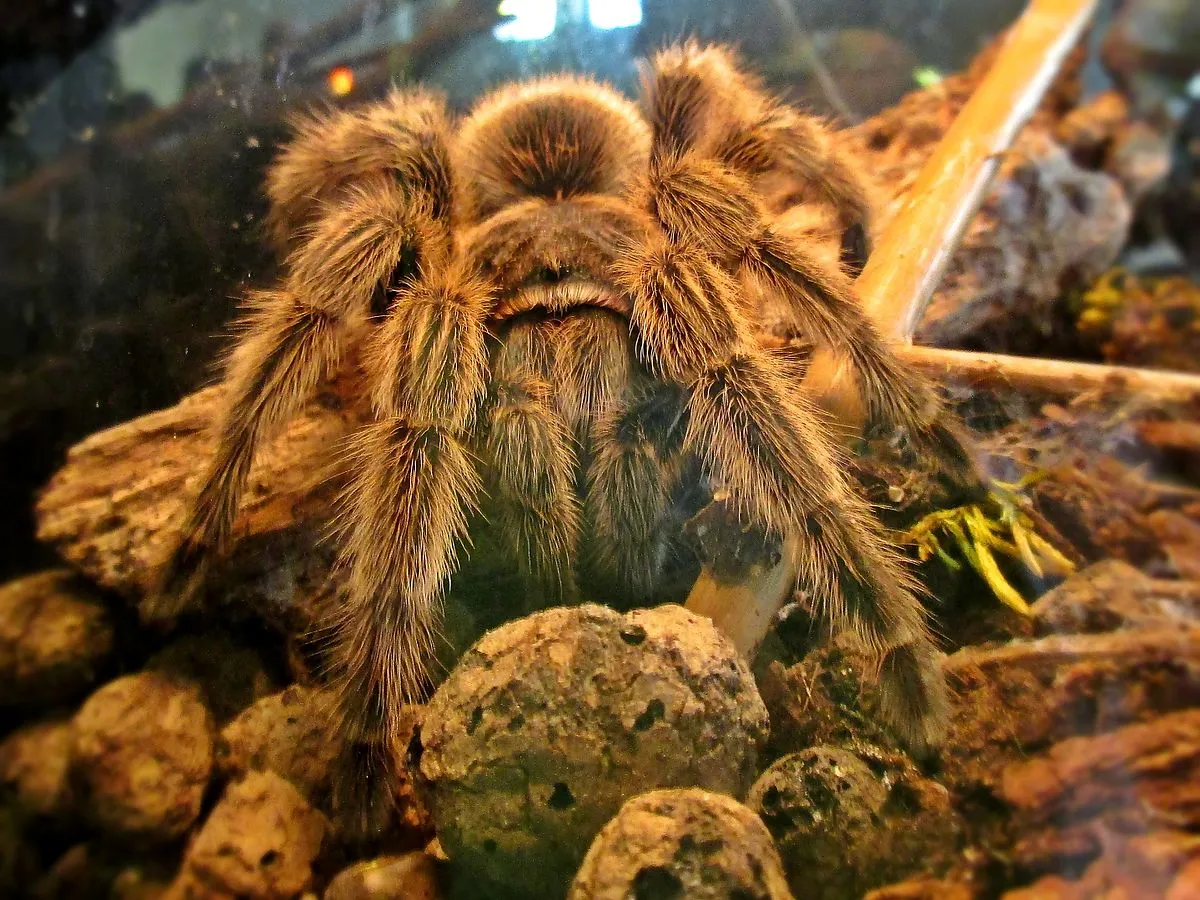
What is a Rose Hair Tarantula (Grammostola rosea)?
The Rose Hair Tarantula, scientifically known as Grammostola rosea, is a popular choice for beginner tarantula keepers due to its docile nature and relatively easy care requirements. Native to the arid regions of Chile, Bolivia, and Argentina, this New World tarantula species has gained worldwide popularity as a pet. Its striking appearance, characterized by a reddish-pink hue on its hairs, combined with its calm temperament, makes it an appealing and manageable invertebrate to keep. Unlike some of their more aggressive cousins, Rose Hair Tarantulas are generally quite tolerant of handling, though caution and respect for the animal’s needs are always paramount. Their lifespan, reaching up to 20 years for females, also adds to their appeal, offering pet owners a long-term companion. Understanding the basics of their biology, habitat, and care is crucial for ensuring the well-being of these fascinating arachnids.
Appearance and Characteristics
Rose Hair Tarantulas are known for their beautiful coloration and distinct features. They typically have a dark brown or black body, with long hairs that range from a muted brown to a vibrant reddish-pink, particularly noticeable on the legs and carapace. These hairs give them a fuzzy appearance and are essential for sensory perception, helping them detect vibrations and movement in their environment. The females are generally larger than males, with a leg span that can reach up to 5-6 inches, while males are often smaller and more slender. Their bodies are divided into two main parts: the cephalothorax (fused head and thorax) and the abdomen. They possess eight eyes arranged in a pattern on the cephalothorax and two chelicerae (fangs) that they use to subdue prey. The overall appearance is robust, showcasing a blend of elegance and hardiness that contributes to their appeal as a pet.
Size and Lifespan

The size and lifespan of a Rose Hair Tarantula are important factors to consider when deciding to own one. Females are known to live significantly longer than males, often reaching 20 years or more under optimal conditions. This long lifespan means that a Rose Hair Tarantula can be a long-term commitment, providing years of companionship for their owners. Male Rose Hair Tarantulas, on the other hand, typically have a lifespan of 5-10 years, with their lives often ending shortly after reaching maturity and mating. The size of these tarantulas varies depending on their gender and age, with females growing larger than males. A fully grown female can have a leg span of up to 5-6 inches, while males are usually smaller. Proper care, including adequate nutrition, suitable enclosure size, and consistent environmental conditions, plays a crucial role in ensuring their longevity and well-being.
Coloration and Markings
The coloration and markings of the Rose Hair Tarantula are one of its most defining features. While the base body color is typically a dark brown or black, the distinctive reddish-pink hairs that cover parts of their body, particularly the legs and carapace, give them their common name. This coloration provides an attractive contrast and sets them apart from other tarantula species. The intensity of the pink color can vary from one individual to another, depending on factors such as age, genetics, and environmental conditions. Some Rose Hair Tarantulas may exhibit a more muted pink hue, while others display a vibrant, eye-catching shade. In addition to the pink hairs, they may also have subtle patterns or markings on their abdomen, adding to their unique appearance. These color variations and markings contribute to the individual charm of each Rose Hair Tarantula, making them a fascinating species to observe and care for.
Natural Habitat and Distribution
Rose Hair Tarantulas are native to the arid and semi-arid regions of South America, specifically in countries like Chile, Bolivia, and Argentina. They are well-adapted to the harsh environments of these regions, where they inhabit burrows in the ground or seek shelter under rocks and debris. Their natural habitat consists of dry grasslands, scrublands, and deserts, where temperatures can fluctuate significantly between day and night. They are typically found in areas with low humidity and sparse vegetation. The distribution of these tarantulas is primarily limited to the western side of the Andes Mountains. Understanding their natural habitat is crucial for replicating suitable living conditions in captivity, including temperature, humidity, and substrate choices, to ensure their health and well-being. This helps to provide them with an environment that closely mimics their natural surroundings, promoting their overall health and happiness.
Where do Rose Hair Tarantulas come from?

Rose Hair Tarantulas originate from the South American continent, with their primary habitats spanning across Chile, Bolivia, and Argentina. They are endemic to these regions, meaning they are naturally found there and nowhere else. The specific areas they inhabit are typically arid and semi-arid environments, reflecting their adaptations to these conditions. Their presence in these locations is a result of evolutionary processes that have allowed them to thrive in these environments. Understanding their origin helps in comprehending their specific needs, such as the appropriate temperature, humidity, and substrate requirements for their enclosures when kept as pets. Knowledge of their geographical origins and natural habitat is integral to providing optimal care and replicating their natural living conditions, contributing to their well-being in captivity and enabling owners to appreciate their natural history.
Behavior and Temperament
Rose Hair Tarantulas are generally known for their docile and calm temperament, which contributes to their popularity as pets. They are not typically aggressive and are less likely to bite compared to some other tarantula species. However, like all tarantulas, they should be handled with caution and respect. They might flick urticating hairs as a defense mechanism, which can cause skin irritation if they come into contact. They are primarily nocturnal creatures, being most active during the night. They spend much of their time in their burrows or hiding spots, especially during the day. When threatened, they may adopt a defensive posture, raising their front legs and showing their fangs. Proper handling and understanding their behavior are essential for a safe and enjoyable experience for both the tarantula and the owner. Observing their behavior can also provide insights into their health and well-being.
Are Rose Hair Tarantulas Aggressive?
Rose Hair Tarantulas are generally considered to be a docile species, making them a good choice for beginner tarantula keepers. While they are not typically aggressive, it is important to understand that they are still wild animals and can react defensively if they feel threatened. Instead of biting as their primary defense, Rose Hair Tarantulas are more likely to flick urticating hairs from their abdomen, which can cause skin irritation. They can also adopt a defensive posture, raising their front legs and showing their fangs. Handling should always be done with care and respect, and it is best to avoid handling them unnecessarily to minimize stress. Providing a secure and comfortable environment can also reduce stress and the likelihood of defensive behavior. Although they are considered less aggressive than many other tarantula species, it’s crucial to treat them with caution and to be mindful of their individual temperament.
Diet and Feeding Habits

Rose Hair Tarantulas are carnivores and have a straightforward diet in captivity. They primarily eat insects, with crickets, mealworms, and roaches being common choices. The size of the prey should be appropriate for the size of the tarantula; the general rule is to provide insects that are no larger than the tarantula’s body. Young tarantulas should be fed more frequently, perhaps two or three times a week, while adults can be fed once a week or even less, depending on their appetite and body condition. It is important to vary the diet to provide a range of nutrients and to avoid boredom. The insects should be gut-loaded (fed nutritious food for at least 24 hours before feeding to the tarantula) to ensure that the tarantula receives adequate vitamins and minerals. Clean, fresh water should always be available, usually in a shallow dish, and the tarantula should be monitored to ensure it is eating and drinking properly. Overfeeding should be avoided, as it can lead to health problems.
What do Rose Hair Tarantulas Eat?
As carnivores, Rose Hair Tarantulas primarily consume insects in the wild and in captivity. The diet of these tarantulas typically consists of live insects, which they actively hunt or ambush. The most common food items include crickets, mealworms, and roaches, all easily obtainable from pet stores. The choice of prey should be based on the tarantula’s size; younger tarantulas require smaller prey, while adults can consume larger insects. Gut-loading the insects before feeding them to the tarantula is important to enhance the nutritional value. This means providing the insects with a diet rich in vitamins and minerals for at least 24 hours prior to feeding. The tarantula also requires fresh water, usually supplied in a shallow dish. Monitoring the tarantula’s feeding habits is important. Refusal to eat may indicate stress or illness, prompting a need for adjustments in care.
How to Care for a Rose Hair Tarantula
Caring for a Rose Hair Tarantula involves several key elements that contribute to their well-being and longevity. Providing a suitable enclosure with appropriate substrate, temperature, and humidity levels is essential. Regular feeding with a varied diet of insects, along with a constant supply of clean water, is also critical. Monitoring the tarantula for signs of stress, illness, or changes in behavior allows for prompt action and intervention. Understanding the tarantula’s natural habitat and behavior helps create an environment that closely mimics their natural conditions, which helps keep the pet healthy and happy. Proper handling, though generally not necessary, should be done with caution and respect. Consistent and attentive care ensures the tarantula thrives in captivity. Providing appropriate care and understanding their needs will make the experience of owning a Rose Hair Tarantula both rewarding and enjoyable.
Enclosure Requirements

The enclosure for a Rose Hair Tarantula should be designed to provide a safe and comfortable environment that meets its specific needs. A glass or plastic terrarium is suitable, with dimensions appropriate for the tarantula’s size. The enclosure should be well-ventilated to prevent the buildup of humidity, yet it needs to retain sufficient moisture to replicate the tarantula’s natural environment. A secure lid is essential to prevent escapes, and it should be designed to allow for air circulation. The enclosure must contain a suitable substrate, such as coconut fiber, peat moss, or a mix of both, to help with burrowing and maintaining humidity levels. Adding hides, such as cork bark or artificial plants, gives the tarantula places to retreat and feel secure. The enclosure should be kept at a comfortable temperature, ideally between 75°F and 85°F (24°C and 29°C), with a heat source such as a heat mat. Consistent monitoring of temperature, humidity, and the overall environment is essential to maintain the well-being of the tarantula.
Substrate and Furnishings
The substrate and furnishings within the enclosure are crucial elements for creating a suitable habitat for a Rose Hair Tarantula. The substrate serves as a base for the enclosure, helps to maintain humidity, and provides the tarantula with a place to burrow. Suitable substrate options include coconut fiber, peat moss, or a mixture of both. The substrate layer should be deep enough to allow the tarantula to burrow comfortably, typically 3-6 inches deep. Furnishings, such as cork bark, artificial plants, and hides, give the tarantula places to retreat and feel secure. These elements also add enrichment to the enclosure, providing a more stimulating environment. The furnishings should be placed strategically to create a naturalistic setting that mimics the tarantula’s natural habitat. It is important to ensure that the furnishings are non-toxic and do not have any sharp edges that could harm the tarantula. The substrate should be kept clean and replaced regularly to prevent mold growth and maintain a healthy environment. The right substrate and furnishings enhance the tarantula’s well-being and contribute to its comfort and safety.
Temperature and Humidity
Maintaining the correct temperature and humidity levels is essential for the health and well-being of a Rose Hair Tarantula. The ideal temperature range for these tarantulas is between 75°F and 85°F (24°C and 29°C). A heat source, such as a heat mat placed on the side or the back of the enclosure, can be used to maintain this temperature range. The heat mat should be regulated with a thermostat to prevent overheating. The humidity levels should be kept relatively low, typically between 50% and 60%. To achieve this, the substrate should be slightly moist, but not wet, and the enclosure should be well-ventilated. The use of a hygrometer to monitor humidity levels is recommended. Misting the enclosure lightly with water every few days can also help to maintain the appropriate humidity. Avoid placing the enclosure in direct sunlight or near a heat source that could cause excessive heat or fluctuations in temperature. Careful monitoring and adjustments to temperature and humidity are crucial to ensuring that the tarantula remains comfortable and healthy in its environment.
Handling and Safety

Handling a Rose Hair Tarantula should be approached with caution and respect. While they are generally docile, they can still react defensively if they feel threatened. It is best to handle them as little as possible. If handling is necessary, do so close to the ground to prevent injury in case of a fall. Gently encourage the tarantula onto your hand, avoiding any sudden movements. Always supervise children when they are near the tarantula. Before and after handling, wash your hands thoroughly to prevent the spread of bacteria. Be aware that Rose Hair Tarantulas can flick urticating hairs, which can cause skin irritation. If this occurs, avoid touching your face or eyes. If you are bitten, the wound should be cleaned thoroughly with soap and water. If you experience any adverse reaction, such as swelling or difficulty breathing, seek medical attention immediately. Handling should always be done with the safety and well-being of both the tarantula and the handler in mind.
Common Health Issues
Rose Hair Tarantulas, like all animals, can experience health issues, and recognizing the signs of illness is crucial for their care. Common issues include dehydration, which can be caused by insufficient water or low humidity, and can manifest as lethargy or wrinkling of the abdomen. Parasites, such as mites, can also be a problem, which are usually visible as tiny specks on the tarantula’s body or in the enclosure. Respiratory infections can occur if humidity is too high, leading to labored breathing. Injuries, such as broken legs or damage to the abdomen, can result from falls or handling accidents. A loss of appetite and changes in behavior, like lack of movement or a reluctance to burrow, can be signs of an underlying health problem. Regular observation of the tarantula, along with proper care, can prevent many health issues. If a problem is noticed, it is crucial to seek advice from a veterinarian experienced in exotic animals.
Shedding Process
The shedding process, or molting, is a natural and essential part of a Rose Hair Tarantula’s life cycle, as it is in other arachnids. This involves the tarantula shedding its exoskeleton, which allows it to grow. Before molting, the tarantula typically becomes less active, may refuse food, and the abdomen may darken or become shiny. It will often create a web mat in its enclosure to lie on during the molt. The actual molting process involves the tarantula lying on its back and gradually extracting itself from the old exoskeleton. This can take several hours. During and after molting, the tarantula is extremely vulnerable and should not be disturbed. The new exoskeleton is soft and fragile. It is important to maintain correct humidity levels during this time. After molting, the tarantula may remain inactive for a few days as the new exoskeleton hardens. During this time, it should not be fed until its fangs are fully hardened.
Molting in Rose Hair Tarantulas

Molting is a critical process in the life of a Rose Hair Tarantula, as it is how the tarantula grows and replaces its exoskeleton. Before molting, the tarantula typically stops eating and may become more secretive, sometimes creating a thick web mat in its enclosure. The abdomen may appear darker or shiny, and the tarantula might lose its appetite. The actual molting process involves the tarantula lying on its back and slowly extracting itself from its old exoskeleton. The whole process can take several hours. During and immediately after molting, the tarantula is extremely vulnerable, with a soft and fragile exoskeleton. Disturbing the tarantula at this time can be fatal, so it is important to leave it undisturbed. The tarantula’s fangs, which are used to capture food, are also soft during this phase. Therefore, it should not be fed until the fangs have fully hardened. The frequency of molting decreases as the tarantula ages; juveniles molt more often than adults. After molting, the tarantula may appear larger and display brighter colors.
Reproduction and Breeding
Breeding Rose Hair Tarantulas is a more advanced aspect of tarantula keeping and requires significant knowledge and preparation. The process involves introducing a mature male to a mature female. The male will typically construct a sperm web, which he uses to collect his sperm before mating. After mating, the female will lay eggs and spin an egg sac to protect them. The egg sac contains hundreds of eggs and must be kept in appropriate conditions for incubation. The female will guard the egg sac until the spiderlings hatch. Hatching can take several weeks or months, depending on the environmental conditions. Raising spiderlings can be challenging, as they require specialized care, including appropriate food and a suitable environment. The spiderlings are often kept separately to prevent cannibalism. Successfully breeding Rose Hair Tarantulas requires careful monitoring, precise environmental control, and a strong understanding of tarantula behavior. It is important to research the process thoroughly before attempting to breed these tarantulas.
Rose Hair Tarantula Breeding Overview
Breeding Rose Hair Tarantulas is a complex process that requires an in-depth understanding of tarantula behavior and specific environmental conditions. The first step involves identifying a mature male and female tarantula. The male will typically construct a sperm web and deposit his sperm, which he then transfers to the female during mating. After mating, the female will lay eggs and encase them in an egg sac. The egg sac is crucial for protecting the developing eggs and spiderlings. The female typically guards the egg sac until the spiderlings hatch, a process that can take several weeks or months. The care of the egg sac involves maintaining the correct temperature and humidity. Once the spiderlings hatch, they need to be separated and provided with appropriate food, which will be tiny insects. Success in breeding Rose Hair Tarantulas requires patience, meticulous attention to detail, and a willingness to provide the appropriate care for each stage of the reproductive cycle. This process is not recommended for beginners.
Interesting Facts about Rose Hair Tarantulas
Rose Hair Tarantulas offer several interesting facts that contribute to their appeal. One of the most notable is their docile temperament, making them suitable pets for beginners. They are known to live for a long time, with females often living for 20 years or more, offering long-term companionship. They can flick urticating hairs from their abdomen as a defense mechanism, which can cause irritation to humans. These tarantulas are nocturnal, meaning they are most active at night. They do not require a lot of handling, preferring to be left in their enclosures. They are relatively low-maintenance, making them an appealing pet option. The unique coloration of the Rose Hair Tarantula, with its reddish-pink hairs, adds to their aesthetic appeal. The tarantula’s ability to survive in arid environments and their efficient use of resources also make them fascinating creatures.
Unique defense mechanisms
Rose Hair Tarantulas have several unique defense mechanisms that help them survive in their natural environment. Instead of biting, their primary defense is the flicking of urticating hairs from their abdomen. These hairs are barbed and can cause irritation to the skin and eyes of potential predators. The tarantula rubs its hind legs against its abdomen to dislodge these hairs, effectively creating a cloud of irritation. Another defense mechanism is their ability to drop their abdomen, which can distract predators. The tarantula will also try to escape and hide. They also blend in with their surroundings through their coloration and the use of burrows or hiding places. They exhibit a defensive posture when threatened, raising their front legs and displaying their fangs. These defense mechanisms, which are both passive and active, contribute to their survival. Understanding these defense mechanisms is important for ensuring their well-being in captivity.
Rose Hair Tarantula as Pets
Rose Hair Tarantulas have become popular pets due to their docile temperament and relatively easy care requirements. They are suitable for beginners because they are less likely to bite and are generally tolerant of handling. Their long lifespan offers the potential for a long-term pet relationship. Their low-maintenance needs, including infrequent feeding and relatively simple enclosure requirements, make them appealing to busy owners. These tarantulas also provide a fascinating opportunity to observe unique behaviors and life cycles, such as molting. They are relatively quiet pets, requiring minimal interaction and attention. Owning a Rose Hair Tarantula provides a rewarding experience for those who appreciate unique and fascinating creatures. They are, however, a responsibility, requiring knowledge and commitment to provide proper care, ensuring their health and well-being, and respecting their natural instincts.