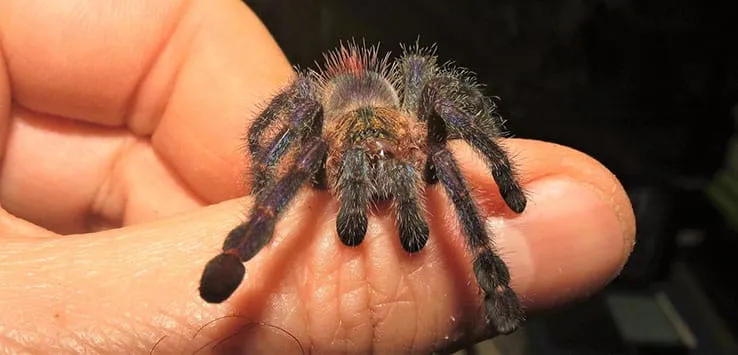
The Sapphire Pink Toe Tarantula, scientifically known as Avicularia versicolor, is a stunning and popular choice for tarantula enthusiasts. These arboreal spiders are known for their vibrant coloration and relatively docile temperament, making them a captivating addition to any collection. This care guide provides essential tips and information to ensure your Sapphire Pink Toe Tarantula thrives in a comfortable and enriching environment. Whether you’re a beginner or an experienced keeper, understanding the specific needs of this species is crucial for their health and well-being. Following these guidelines will help you provide the best possible care, allowing you to enjoy the beauty and fascinating behavior of your Sapphire Pink Toe Tarantula for years to come.
Understanding the Sapphire Pink Toe Tarantula
Before bringing a Sapphire Pink Toe Tarantula home, it’s essential to understand their unique characteristics and needs. This section delves into the fascinating world of these vibrant creatures, providing insights into their appearance, behavior, and specific requirements. This foundational knowledge is key to creating a suitable habitat and ensuring your tarantula lives a long, healthy life. Learn what makes these tarantulas special and how to provide the best care possible.
Appearance and Characteristics
Sapphire Pink Toe Tarantulas are renowned for their striking beauty. Juveniles display a brilliant metallic blue or purple coloration, which gradually transforms into a more subdued appearance as they mature. Adults exhibit a mix of colors, often including iridescent blues, greens, and pink-tipped toes, hence the name. These tarantulas typically reach a leg span of 5 to 6 inches, with females generally being larger than males. Their arboreal nature means they are well-adapted to climbing, with specialized claws and pads on their feet to grip surfaces. Their overall appearance makes them a captivating species for any enthusiast.
Identifying a Healthy Sapphire Pink Toe Tarantula

Identifying a healthy Sapphire Pink Toe Tarantula involves observing several key indicators. A healthy tarantula is typically active, alert, and responsive to its environment. Their abdomen should be plump and not overly shriveled, indicating proper hydration and feeding. The colors should be vibrant and not dull. They should exhibit a good appetite and readily consume their prey. Check for any signs of parasites or injuries. Regular inspection of your tarantula will help you identify any potential issues early on, allowing for prompt intervention if needed. A healthy tarantula is a happy tarantula.
Essential Habitat Setup
Creating the right habitat is crucial for your Sapphire Pink Toe Tarantula’s well-being. This section provides detailed guidance on setting up an ideal enclosure, ensuring the proper environment for your tarantula to thrive. From choosing the right enclosure size to maintaining optimal humidity and temperature levels, these steps are fundamental to providing a safe and comfortable home. A well-designed habitat not only supports your tarantula’s health but also allows you to observe its natural behaviors and enjoy its beauty.
Choosing the Right Enclosure
For a Sapphire Pink Toe Tarantula, a tall enclosure is essential due to their arboreal nature. A minimum size of 12x12x18 inches is suitable for an adult, but a larger enclosure is always preferable. The enclosure should be well-ventilated, preferably with cross-ventilation to prevent excessive humidity buildup. Secure the lid tightly to prevent escape. Avoid using any substrate or decorations that could be toxic or harmful. The enclosure should provide ample space for climbing and exploration. Transparent enclosures allow for easy viewing and monitoring of your tarantula’s activities.
Substrate Selection

The substrate plays a vital role in maintaining humidity and providing a comfortable environment. A suitable substrate for a Sapphire Pink Toe Tarantula includes a mixture of coconut fiber, vermiculite, and a small amount of peat moss. This combination helps retain moisture while allowing for adequate drainage. The substrate should be several inches deep to allow for burrowing and to help maintain humidity levels. Avoid using substrates that can mold easily, such as soil, and regularly monitor the substrate for mold or excessive moisture. Replace the substrate periodically to maintain a clean and healthy environment. It also helps to add some sphagnum moss to help with humidity.
Maintaining Humidity and Temperature
Sapphire Pink Toe Tarantulas thrive in a humid environment. Maintain a humidity level of 70-80% by misting the enclosure regularly, especially on the sides of the enclosure, and providing a water dish. Ensure good ventilation to prevent the growth of mold. The ideal temperature range is between 75-85°F (24-29°C). Use a thermometer to monitor the temperature and provide supplemental heating if necessary, such as a heat lamp or heat mat. Avoid placing the enclosure in direct sunlight or near heat sources that could overheat the enclosure. Constant monitoring of the temperature and humidity is key to ensure a healthy environment for your tarantula.
Feeding Your Sapphire Pink Toe Tarantula
Proper nutrition is essential for your Sapphire Pink Toe Tarantula’s growth and overall health. This section covers the dietary needs, feeding frequency, and hydration methods required to keep your tarantula well-nourished. Providing a balanced diet and adequate hydration ensures your tarantula has the energy it needs to thrive. Learn how to provide a healthy and fulfilling diet for your Sapphire Pink Toe Tarantula.
Dietary Needs and Preferences

Sapphire Pink Toe Tarantulas are primarily insectivores. Their diet should consist of a variety of insects, such as crickets, roaches, mealworms, and other commercially available feeder insects. Ensure that the insects are gut-loaded with nutritious food before feeding them to your tarantula. Avoid feeding insects that have been exposed to pesticides. The size of the prey should be appropriate for the size of the tarantula; generally, the prey should be no larger than the tarantula’s body size. Variety in the diet can improve overall health, so offering different types of insects is a good practice.
Feeding Frequency
Feeding frequency varies depending on the tarantula’s age and size. Spiderlings and juveniles should be fed more frequently, perhaps every other day or every day, as they are growing rapidly. Adult tarantulas can be fed once or twice a week. Remove any uneaten prey within 24 hours to prevent stress and potential mold growth. Observe your tarantula’s behavior and appetite. A tarantula that is about to molt may refuse food. Do not overfeed, as this can lead to health problems and waste.
Watering and Hydration
Providing fresh water is crucial. Always have a shallow water dish with fresh, clean water available in the enclosure. Ensure the water dish is shallow enough to prevent the tarantula from drowning. Mist the enclosure regularly to maintain humidity, but avoid spraying the tarantula directly. The droplets can get stuck on their fangs and hinder their ability to eat. Monitoring the water dish and misting schedule is a critical part of providing proper hydration.
Handling and Interaction

Handling a Sapphire Pink Toe Tarantula should be approached with caution and respect for the animal’s well-being. This section provides guidance on safe handling practices and how to recognize stress signals. Understanding your tarantula’s behavior and respecting its space is key to a positive and safe interaction. Learn how to interact with your tarantula responsibly and avoid any actions that might cause it stress.
Safe Handling Practices
While Sapphire Pink Toe Tarantulas are known for their relatively docile temperament, handling should be minimized to reduce stress. If handling is necessary (e.g., for enclosure maintenance), do so gently and slowly. Always approach the tarantula calmly. Avoid sudden movements or loud noises. Handle them close to a soft surface, such as a bed or the floor, to minimize the risk of injury if they fall. Always wash your hands before and after handling. Remember, each tarantula has a unique personality.
Recognizing Stress Signals
It is important to recognize the signs of stress in your Sapphire Pink Toe Tarantula. A stressed tarantula may display several behaviors, including flicking hairs (a defense mechanism), raising its front legs in a threat posture, rapid movement, or refusing to eat. If you observe any of these signs, immediately cease handling and allow the tarantula to retreat to its enclosure. Provide a safe and undisturbed environment and allow it to calm down. Reducing stress will contribute to the well-being of your tarantula and will help improve the longevity of your tarantula.
Common Health Issues

Understanding the common health issues that can affect Sapphire Pink Toe Tarantulas is essential for responsible pet ownership. This section discusses the molting process, parasites, and diseases that can impact your tarantula’s health. Early detection and appropriate care are critical to prevent and treat these issues. Learn how to identify and manage these health concerns to ensure your tarantula’s longevity.
Moulting Process
Moulting is a natural process where tarantulas shed their exoskeleton to grow. During this process, your tarantula will typically lose its appetite and may become less active. The tarantula will often flip onto its back. Do not disturb the tarantula during the moulting process. Provide a humid environment and avoid handling the tarantula. Once the moulting is complete, the tarantula will be soft and vulnerable for several days. Do not feed it until its fangs have hardened. Observing the moulting process is fascinating but requires patience and care.
Parasites and Diseases
While Sapphire Pink Toe Tarantulas are generally hardy, they can be susceptible to certain parasites and diseases. Mites are a common external parasite that can infest tarantulas. Look for tiny, moving specks on the tarantula’s body. Treat mites promptly with appropriate treatments. Fungal infections can also occur if the environment is too humid or unsanitary. Maintaining a clean and well-ventilated enclosure is essential for preventing fungal growth. If you notice any signs of illness or parasites, consult an experienced tarantula keeper or a veterinarian who specializes in exotic animals for advice.
Conclusion

Caring for a Sapphire Pink Toe Tarantula can be a rewarding experience. By following these care tips, you can create a comfortable and enriching environment for your tarantula to thrive. Remember to consistently monitor the enclosure, feeding, and your tarantula’s behavior. Always be patient, observant, and dedicated to providing the best possible care. With proper care, your Sapphire Pink Toe Tarantula can be a fascinating and long-lived companion, providing years of enjoyment and wonder. Enjoy the journey of tarantula keeping!