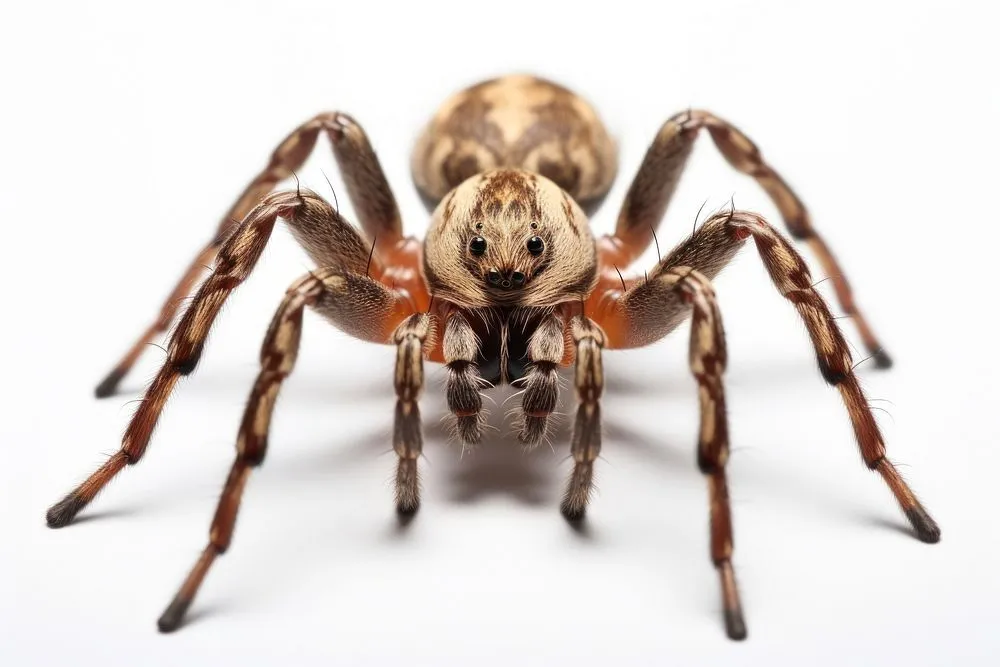
What is a Spider Tarantula
The term “spider tarantula” refers to a group of large, hairy spiders belonging to the Theraphosidae family. These arachnids are known for their impressive size, often captivating both enthusiasts and those wary of spiders. Spider tarantulas are found across the globe, thriving in diverse habitats from tropical rainforests to arid deserts. They are primarily nocturnal hunters, using their fangs to subdue prey ranging from insects to small vertebrates. Their imposing appearance and intriguing behaviors make them a popular subject of study and fascination, though it’s essential to remember that while most tarantula species have venom that is not lethal to humans, they can still inflict a painful bite. Understanding their characteristics and lifestyle provides a fascinating glimpse into the world of these remarkable creatures and their role in the ecosystem.
Appearance of a Spider Tarantula
Spider tarantulas are instantly recognizable due to their size and distinctive appearance. The most obvious feature is their large, often quite hairy, bodies. These spiders possess eight legs, two chelicerae (mouthparts), and a body divided into two main sections: the cephalothorax (fused head and thorax) and the abdomen. The presence of urticating hairs, which are barbed hairs that the tarantula flicks at potential threats, adds another unique characteristic to their overall appearance. These hairs can cause skin and eye irritation. The size, color, and hairiness vary significantly between different species of tarantulas, adding to their diversity.
Size and Body Structure

The size of a spider tarantula is a key factor that differentiates it from other spider species. Some species can have a leg span of up to 12 inches, with body lengths reaching several inches. This considerable size contributes to their intimidating presence. Their body structure is typical of spiders, with the cephalothorax housing the head and legs, and the abdomen containing the digestive and reproductive organs. The overall body is covered in a chitinous exoskeleton, which provides protection and support, but also limits their growth; tarantulas must molt to increase in size. The size and robustness of these spiders reflect their predatory lifestyle and adaptation to various environments.
Coloration and Markings
Spider tarantulas exhibit a wide array of colors and patterns, contributing to their beauty and diversity. Some species are predominantly brown or black, while others display vibrant hues of blue, orange, red, and yellow. The coloration often serves as camouflage, helping them blend with their environment. The markings can range from simple patterns to complex designs, depending on the species. These markings can be crucial in species identification and may play a role in mating displays. The diverse coloration and markings of spider tarantulas underscore the fascinating variations within this group of spiders, making them a visually captivating subject of study and observation.
Habitat and Distribution of Spider Tarantula
Spider tarantulas have adapted to a wide range of habitats across the globe, showcasing their resilience and adaptability. Their distribution is largely influenced by climate and the availability of food and shelter. These spiders are found in a variety of ecosystems, from tropical rainforests to arid deserts. Their ability to thrive in diverse environments highlights their evolutionary success. Understanding their habitats is crucial for conservation efforts, as habitat loss and degradation pose significant threats to their survival. Protecting their natural environments is essential to ensure the continued existence of these remarkable creatures.
Natural Habitats

The natural habitats of spider tarantulas are diverse, reflecting the adaptability of these spiders. Some species are terrestrial, living in burrows dug into the ground or under rocks and logs. Others are arboreal, inhabiting trees and bushes. These spiders are well-suited to their specific environments, with adaptations that allow them to thrive in these conditions. The availability of food, shelter, and suitable climate are crucial factors influencing the distribution of tarantulas within their habitats. Studying their habitats helps scientists understand the ecological roles of these spiders and the challenges they face in a changing world.
Geographic Distribution
Spider tarantulas are distributed across various regions of the world. They are particularly abundant in the Americas, with many species found in the southwestern United States, Central America, and South America. They are also present in Africa, Asia, and Australia. The specific geographic distribution of a tarantula species depends on factors like climate, vegetation, and the presence of suitable prey. Understanding their geographic distribution is important for conservation efforts, as it helps in identifying areas where these spiders are most vulnerable to habitat loss or other threats. Conservation strategies can be tailored to protect tarantula populations in their respective regions.
Spider Tarantula Behavior and Lifestyle
Spider tarantulas exhibit a range of fascinating behaviors and have unique lifestyles. They are primarily nocturnal hunters, ambushing their prey with remarkable precision. Their behaviors are influenced by their habitats, the availability of food, and their reproductive strategies. Understanding their behaviors and lifestyles provides valuable insights into their ecological roles and how they interact with their environment. Their hunting techniques, defensive mechanisms, and reproductive behaviors highlight their evolutionary adaptations and their importance in ecosystems.
Feeding Habits

Spider tarantulas are primarily carnivorous, with their diet consisting mainly of insects, such as crickets and cockroaches, but also small vertebrates, like mice and lizards. They use their fangs to inject venom that paralyzes their prey. They then use digestive enzymes to liquefy the prey’s internal organs, allowing them to suck up the nutrient-rich fluids. The size and type of prey depend on the tarantula’s size and species. Feeding habits are crucial for understanding their role in the food chain and the impact they have on the ecosystem. The efficient hunting strategies of spider tarantulas make them effective predators.
Predators and Defense Mechanisms
Spider tarantulas have several predators, including birds, snakes, and larger mammals. To defend themselves, they have developed a range of mechanisms. One notable defense is their urticating hairs, which they can flick at potential threats. They may also exhibit defensive postures, such as raising their front legs and displaying their fangs. Some species can bite, though the venom is generally not considered lethal to humans. The combination of these defense mechanisms helps them survive in their environment, allowing them to evade predators and protect themselves from harm. These defensive behaviors showcase the evolutionary adaptations that have enabled tarantulas to thrive.
Reproduction and Life Cycle of Spider Tarantula
The reproduction and life cycle of spider tarantulas are intriguing, involving elaborate mating rituals and the development of spiderlings. Their reproductive strategies vary depending on the species, but generally involve a courtship period, mating, egg laying, and the subsequent development of the young spiders. Understanding their reproductive cycle is important for conservation efforts, as it provides insights into their population dynamics and the factors that influence their survival.
Mating Behavior

Mating behavior in spider tarantulas is a complex process that varies between species. Males initiate courtship by drumming on the ground or displaying to attract a female. After the male has attracted the female, they will often engage in a series of rituals that lead to copulation. The male transfers sperm to the female using specialized structures called palps. Mating can be risky for the male, as the female may attempt to eat him after copulation. The elaborate mating rituals highlight the evolutionary adaptations that ensure successful reproduction in these spiders.
Egg Sacs and Spiderlings
Following mating, the female spider tarantula lays her eggs in a silken egg sac, which she carefully protects. The number of eggs varies depending on the species. The female often guards the egg sac until the spiderlings hatch. The spiderlings, which are miniature versions of the adults, undergo several molts as they grow. They eventually disperse to establish their own territories. The development of the spiderlings from eggs to mature adults is a fascinating process that showcases the life cycle of these creatures. Understanding their development is essential for conservation and maintaining healthy populations.
Conservation Status and Threats
The conservation status of spider tarantulas is of growing concern due to threats like habitat loss, the pet trade, and climate change. Many species are facing population declines, and some are classified as vulnerable or endangered. Conservation efforts are essential to protect these fascinating creatures and ensure their survival. Raising awareness about the threats they face and implementing conservation strategies are critical to their long-term survival. Protecting their habitats and managing the pet trade are important steps in preserving their populations.
Threats to Spider Tarantula Populations

Spider tarantula populations face various threats that endanger their survival. Habitat loss, due to deforestation, urbanization, and agricultural expansion, is one of the most significant threats. The pet trade, which involves the collection and sale of tarantulas, also poses a risk, particularly for rare species. Climate change, with its impacts on temperature and rainfall patterns, can affect their habitats and food sources. Understanding these threats is crucial for developing effective conservation strategies that protect their populations and ensure their survival for future generations.
Conservation Efforts
Various conservation efforts are underway to protect spider tarantulas. These efforts include habitat protection, captive breeding programs, and regulations on the pet trade. Research to understand their population dynamics and threats is also essential. Educating the public about tarantulas and their importance in ecosystems is also crucial. By supporting conservation organizations and initiatives, individuals can contribute to the preservation of these fascinating spiders and their habitats. These conservation actions are vital for the long-term survival of spider tarantulas and for maintaining biodiversity.