Spider Wasp vs Tarantula 7 Facts
The natural world is filled with incredible dramas, and few are as captivating as the clash between the spider wasp and the tarantula. This intense battle of predator versus prey showcases the raw power and unique adaptations of these fascinating creatures. The spider wasp, a formidable predator, specifically targets tarantulas, employing a strategy that is both brutal and efficient. This article delves into seven key facts about this extraordinary relationship, revealing the science, the strategy, and the survival tactics involved in this incredible natural encounter.
What is a Spider Wasp
Spider wasps belong to the family Pompilidae, a group of solitary wasps known for their specialized hunting habits. They are renowned for their unique method of paralyzing spiders, particularly tarantulas, to serve as hosts for their larvae. These wasps are found worldwide, inhabiting a diverse range of environments. Their appearance varies depending on the species, but they are generally recognized by their long legs and antennae. The spider wasp’s life is entirely focused on survival and reproduction, with each stage of their life cycle playing a critical role in the continuation of their lineage. Their predatory behavior is a testament to their evolutionary success and is a critical component of their ecological role.
Appearance and Characteristics

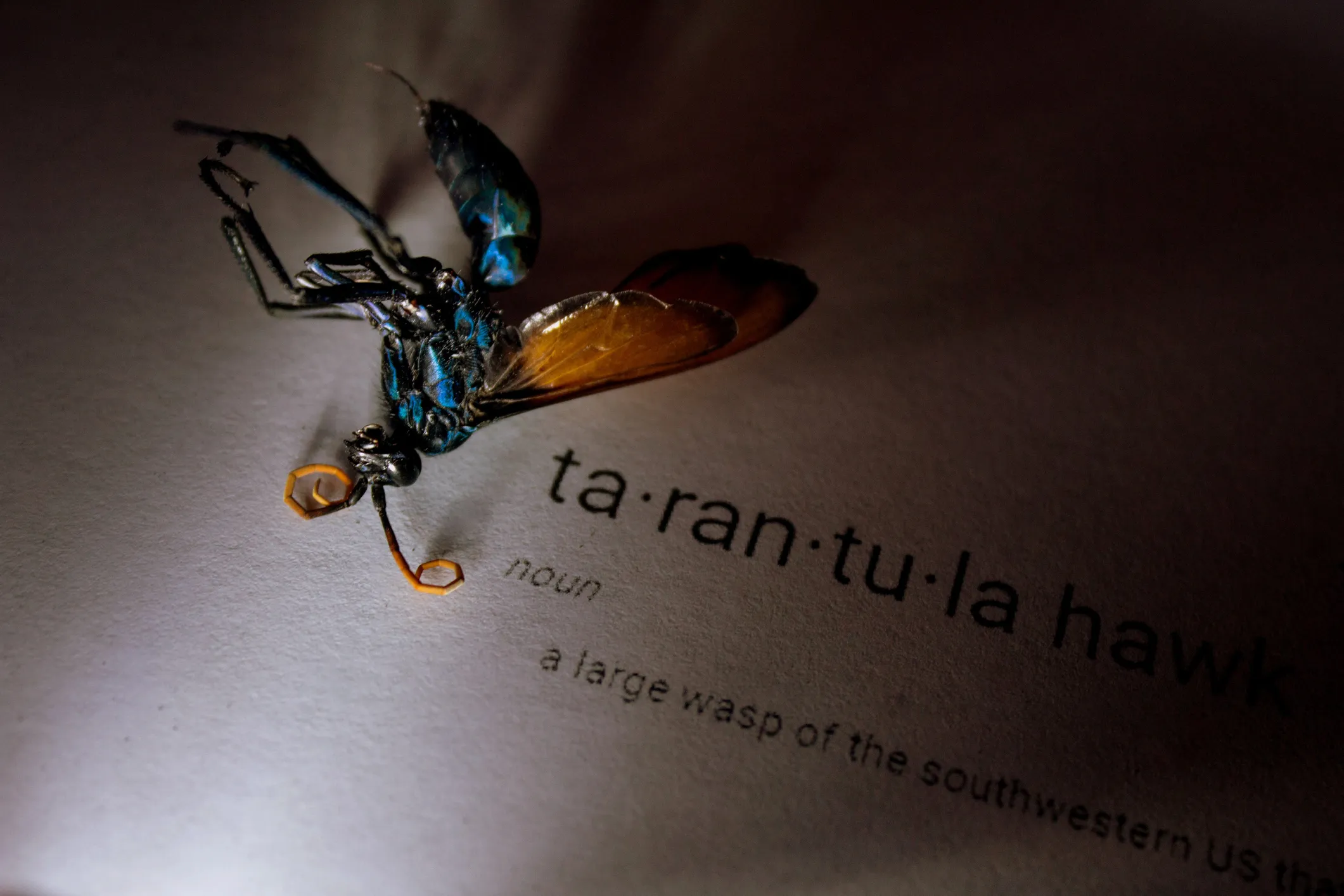
Spider wasps exhibit a variety of appearances, with sizes ranging from less than an inch to over two inches in length. Their bodies are typically elongated, featuring a slender waist that allows for greater maneuverability. Colors can vary, but often include shades of black, blue, or orange, sometimes with iridescent hues. They possess powerful mandibles for manipulating prey, and their long legs are essential for navigating the terrain and handling spiders. The antennae serve as sensory organs, helping them locate prey and assess their environment. The overall design of the spider wasp is perfectly suited to its hunting lifestyle, with each feature contributing to its ability to subdue and utilize tarantulas.
Where Do Spider Wasps Live
Spider wasps are found in various habitats around the globe, with their distribution closely linked to the presence of their primary prey spiders. They thrive in warm climates, often found in deserts, grasslands, and tropical regions. They build nests in a variety of locations, from underground burrows to crevices in rocks or even abandoned rodent burrows. The specific environment is vital for nest construction and survival. The availability of tarantulas is the key factor determining their habitat. In North America, they can be found throughout the southern United States and Mexico. Understanding their habitat is critical for appreciating the complete life cycle of the spider wasp and their crucial role in the ecosystem.
What is a Tarantula
Tarantulas are large, hairy spiders belonging to the Theraphosidae family. These arachnids are found in many parts of the world, from the Americas to Asia and Africa. Known for their size and often intimidating appearance, tarantulas are a diverse group, with hundreds of species, each with unique characteristics. They are primarily nocturnal hunters, feeding on insects and small vertebrates. While their bite can be painful, it is generally not life-threatening to humans. The tarantula’s lifespan, which can extend for decades, is one of the most fascinating aspects. Their survival strategies and physical adaptations are pivotal in the interactions with their predators, most notably the spider wasp.
Appearance and Characteristics

Tarantulas are recognized by their large size, often with a leg span of several inches. They have a hairy exoskeleton, which provides both protection and sensory input. Their coloration varies greatly, ranging from earthy browns and blacks to vibrant blues and oranges, providing camouflage in their environment. They possess eight eyes, usually arranged in a pattern that aids in detecting movement. Their chelicerae (fangs) are large and powerful, used for subduing prey. The tarantula’s anatomy is specifically adapted to its predatory lifestyle, with features that facilitate both hunting and defense. Their physical structure contributes to their ability to thrive in various environments, making them a formidable opponent for the spider wasp.
Where Do Tarantulas Live
Tarantulas inhabit a wide range of environments, from tropical rainforests to arid deserts. They often live in burrows, under rocks, or in other sheltered locations. Their distribution is dependent on factors like climate, prey availability, and suitable nesting sites. Some species are terrestrial, while others may be arboreal, living in trees. In the United States, various species are found, particularly in the Southwest. Their habitat preferences reflect their need for shelter and access to food. Understanding their habitat is important for both the study of tarantula behavior and conservation efforts to protect their populations from harm.
The Spider Wasp Tarantula Hunt
The hunt itself is a remarkable display of predator-prey dynamics. The spider wasp, after locating a tarantula, carefully approaches its target. This often involves a tense period of maneuvering and assessment. The wasp must strike at the right moment to ensure a successful hunt, typically aiming for a nerve center or a vulnerable area. The method of attack is specifically designed to subdue the tarantula with minimal risk to the wasp. The hunting process is a testament to the spider wasp’s instinctual behavior. The wasp’s success is paramount for its survival and the continuation of its species.
The Sting and Paralysis

The sting from the spider wasp is key to the operation. Once the wasp has the correct positioning, it delivers a potent sting. The venom is designed to paralyze the tarantula, immobilizing it while keeping it alive. The precise placement of the sting is critical, as it targets the nervous system, preventing the tarantula from escaping or defending itself. The sting is not intended to kill the spider, but rather to preserve it as a food source for the wasp larvae. The paralysis ensures the tarantula remains fresh, allowing the wasp larvae to consume it gradually. The effectiveness of the venom and the precision of the sting are fundamental to the spider wasp’s survival.
Tarantula Transport and Nesting
Once the tarantula is paralyzed, the spider wasp must transport it to its nest. This is a considerable feat, as tarantulas can be several times the size of the wasp. The wasp often drags the tarantula across the ground to a pre-existing burrow or constructs a new one. The process is methodical and involves strategic movements to avoid obstacles and protect the prey. After the tarantula is placed in the nest, the wasp lays an egg on the spider’s abdomen. The egg is placed in a spot where the larva will have immediate access to food once it hatches. The nesting process is critical, as it provides a secure environment for the wasp’s offspring and a food source for the developing larva.
Spider Wasp Life Cycle
The life cycle of a spider wasp is a captivating journey of transformation, starting with the egg and leading to the adult wasp. The cycle is perfectly synchronized with the availability of tarantulas, ensuring the survival of the next generation. Each stage of the cycle plays a vital role in the wasp’s survival and perpetuation of its species. The spider wasp’s life cycle is relatively short, but filled with remarkable adaptations and behaviors.
Egg Laying

The spider wasp’s life begins with the laying of its egg on the paralyzed tarantula. The female wasp carefully selects the location, ensuring the egg is placed where the larva can easily access its food source. The egg is small, but it holds the potential for a fully developed wasp. The incubation period is relatively short, as the larva must hatch quickly to begin feeding on the host. The timing of the egg laying is essential to the overall success of the parasitic relationship between the wasp and the tarantula. The meticulous approach to egg placement is a sign of their advanced evolutionary adaptations.
Larval Stage
The larva, once hatched, begins to feed on the paralyzed tarantula. It consumes the spider’s body, starting with non-essential organs and tissues. The larva grows rapidly, undergoing several molts as it develops. During this phase, it is completely dependent on the tarantula for nourishment. The tarantula is kept alive for as long as possible. The spider is a food source. The larval stage is a time of rapid growth and is vital to the wasp’s survival. Once the larva has fully developed, it prepares to pupate.
Adult Stage
The larva spins a cocoon and enters the pupal stage. During this phase, the larva undergoes metamorphosis, transforming into an adult wasp. This is a period of significant change, where the larva’s body reorganizes. The adult wasp emerges from the cocoon, ready to mate and begin the cycle again. The newly emerged wasp is now equipped to hunt tarantulas, continuing the species’ survival. The adult stage completes the cycle, preparing the wasp to reproduce and perpetuate the cycle.
Spider Wasp Behavior and Diet

The behavior and diet of the spider wasp is a direct reflection of its hunting strategy. Their diet is almost exclusively tarantulas. They are active hunters, with behaviors specifically adapted to locating, subduing, and utilizing their prey. The wasps exhibit a complex set of instincts and strategies that have evolved over time, making them highly efficient predators. The spider wasp’s behavior has played a key role in its ecological success.
Feeding Habits and Prey Selection
The spider wasp’s feeding habits are focused on the tarantula. The wasp selects tarantulas of a suitable size. They feed on nectar and other sugars to sustain their energy levels. The wasps have also been known to feed on other insects, but their primary food source remains the tarantula. The feeding habits are all about survival. The selection of prey is based on factors such as size, accessibility, and potential risk. Their diet is simple, yet crucial for the spider wasp’s survival.
Defense Mechanisms of the Tarantula
Tarantulas, despite their intimidating appearance, are not defenseless. They have developed various defense mechanisms to protect themselves from predators, including the spider wasp. These mechanisms, which vary from physical adaptations to behavioral strategies, are essential to their survival in the wild. The defense mechanisms illustrate the ongoing predator-prey arms race. They showcase the evolutionary strategies that have allowed tarantulas to coexist with the spider wasp.
Venom and Fangs

Tarantulas possess fangs and venom, which they use to subdue prey and defend themselves. Their venom is generally not lethal to humans, but it can cause pain and localized symptoms. The fangs are used to inject venom into prey. They can bite when threatened. The venom’s purpose is to immobilize or weaken the threat. The effectiveness of their venom and fangs varies among species, reflecting differences in their environment and prey. This arsenal plays a central role in their defensive strategy.
Hairs and Irritation
Many tarantula species have urticating hairs, which they flick off their abdomen when threatened. These hairs are barbed and can cause severe irritation upon contact with skin and eyes. These hairs are an effective defense against the spider wasp, potentially deterring them from attacking. The hairs can cause significant discomfort. They are a primary defense mechanism. The effectiveness of these hairs varies depending on the species of tarantula. These hairs provide an additional layer of protection for the tarantula.
The Spider Wasp’s Impact
The spider wasp has a significant ecological impact, playing a role in both the tarantula population and the broader ecosystem. They are an example of how predator-prey interactions are vital for maintaining balance in natural environments. Their specialized hunting behavior and life cycle affect the dynamics of food webs. The impact of the spider wasp highlights the interconnectedness of species and the importance of biodiversity.
Ecological Role
The spider wasp plays a critical role in regulating tarantula populations. By preying on tarantulas, they help control their numbers. The spider wasp also contributes to the overall biodiversity of their ecosystems. As a food source for other animals, such as birds and lizards, spider wasps help connect the ecosystem. This role underscores the wasp’s importance in maintaining a balanced and healthy environment. The spider wasp is an important part of its ecosystem.
Conservation Status
The conservation status of spider wasps is generally not of major concern, as they are widespread and adaptable. However, their populations can be impacted by habitat loss and pesticide use. Certain species may be more vulnerable. Conservation efforts should focus on protecting their habitats and promoting sustainable practices. The continued health of their populations depends on preserving the environments they inhabit. This helps to protect their ecological roles.
In conclusion, the relationship between the spider wasp and the tarantula is an impressive example of the complexity and drama found in nature. From the wasp’s precision in the hunt to the tarantula’s defensive mechanisms, these creatures have evolved to thrive in their specific ecological niches. Understanding these interactions helps us appreciate the balance of nature. These facts help us understand the delicate web of life and the significance of each species. The spider wasp and tarantula continue to provide an intriguing case study in predator-prey dynamics.