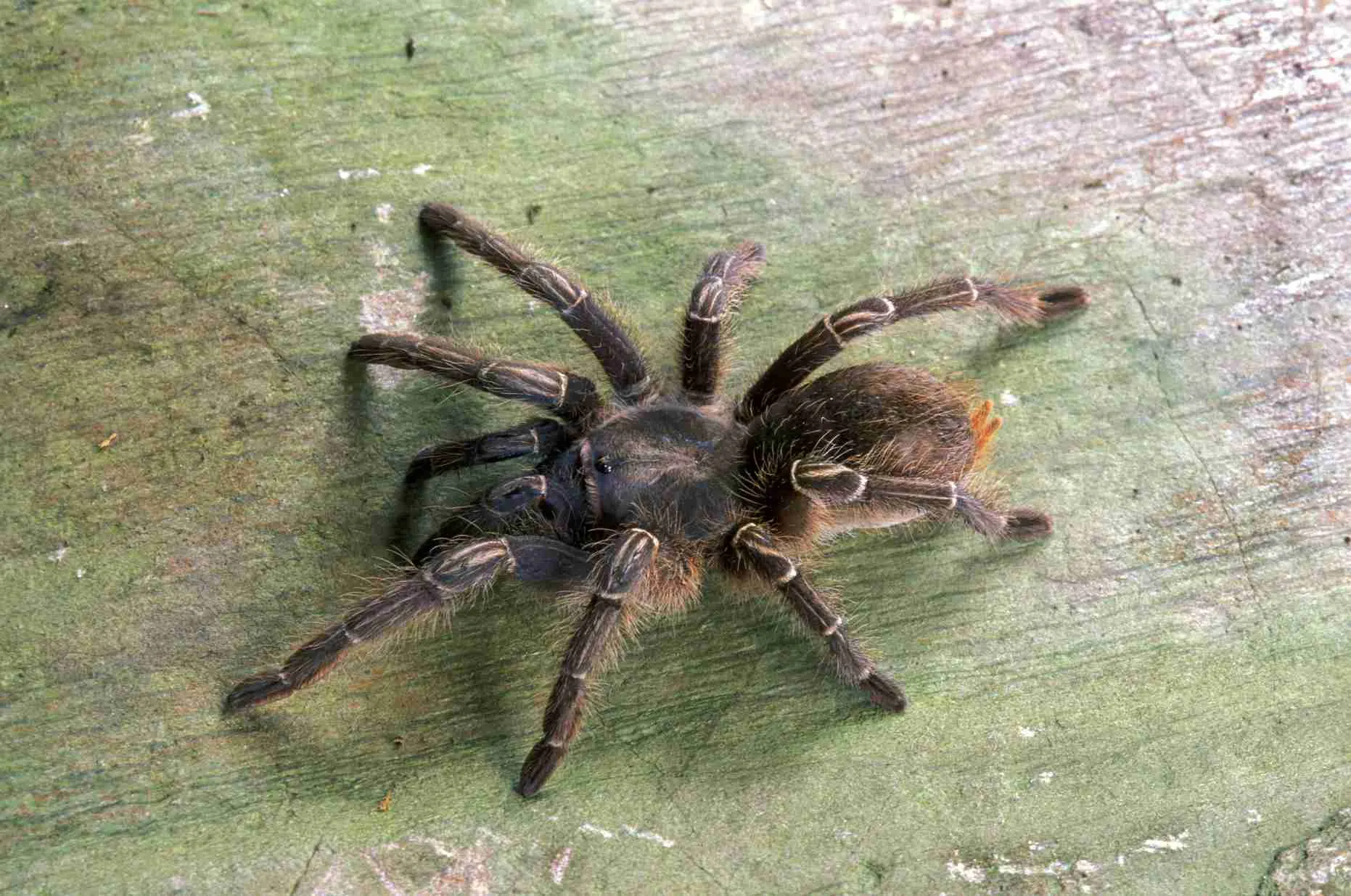
Tarantula Bites Top 5 Facts
Tarantulas, with their hairy legs and intimidating size, often spark curiosity and, sometimes, fear. Keeping a pet tarantula has become increasingly popular. However, understanding the potential dangers associated with these arachnids is crucial for responsible pet ownership and safety. This article will explore the reality behind tarantula bites, addressing common misconceptions and providing factual information. The aim is to equip you with the knowledge needed to approach these fascinating creatures with informed respect, ensuring both your well-being and the tarantula’s.
What Happens When a Tarantula Bites
When a tarantula bites, it typically injects venom through its fangs. The severity of the bite can vary depending on the tarantula species, the amount of venom injected, and the individual’s reaction. Most tarantula bites are comparable to a bee sting. The bite itself may feel like a sharp pinch, followed by localized pain and redness. However, tarantulas are not typically aggressive creatures and will usually only bite if provoked or feel threatened. This can happen if they are mishandled, startled, or feel their safety is at risk. Understanding the circumstances that may lead to a bite is essential for minimizing the risk.
The Nature of Tarantula Venom

The venom of a tarantula is complex, containing a mixture of enzymes, peptides, and other compounds. Its primary purpose is to immobilize prey. The venom’s composition and potency vary significantly among different tarantula species. While some species have more potent venom than others, the venom of most tarantulas is not considered life-threatening to humans. The effects of the venom can include localized pain, redness, swelling, itching, and, in some cases, muscle cramps. Systemic symptoms are rare but can include nausea, vomiting, and in extreme cases, more severe reactions like difficulty breathing or allergic reactions.
Are Tarantula Bites Deadly
Generally, tarantula bites are not considered deadly to humans. Fatalities from tarantula bites are extremely rare, and most people recover fully with minimal medical intervention. The primary concern associated with a tarantula bite is the potential for allergic reactions or secondary infections. People with allergies to insect venom might experience a more severe reaction. It’s crucial to seek medical attention if symptoms worsen, or if you experience difficulty breathing, severe swelling, or other signs of a systemic reaction. Prompt medical care can mitigate the risk of complications and ensure a full recovery.
Symptoms of a Tarantula Bite
The symptoms of a tarantula bite can vary depending on the individual and the tarantula species. Common symptoms include immediate pain at the bite site, which may feel like a sharp pinch or a burning sensation. Redness and swelling around the bite are also typical, as is itching. Other symptoms can include muscle cramps, particularly in the affected limb, and in some cases, nausea or vomiting. Less common but more severe symptoms might involve difficulty breathing, hives, or other signs of an allergic reaction. Monitoring the affected area and your overall condition is vital in the hours and days following a bite.
How to Treat a Tarantula Bite

If bitten by a tarantula, the first step is to remain calm. Clean the bite area thoroughly with soap and water to reduce the risk of infection. Apply a cold compress to the area to help reduce pain and swelling. Over-the-counter pain relievers, such as ibuprofen or acetaminophen, can alleviate pain and discomfort. If symptoms worsen or you experience signs of an allergic reaction, seek immediate medical attention. The doctor may administer antihistamines or other medications to manage the symptoms. It is also a good idea to try and identify the tarantula species for proper treatment.
Preventing Tarantula Bites
Preventing tarantula bites primarily involves responsible pet ownership and handling. Avoid handling tarantulas unless necessary, and when you do, wear gloves. Be mindful of the tarantula’s environment and avoid sudden movements that could startle it. Ensure the tarantula’s enclosure is secure and well-maintained to prevent escape. Educate yourself about the specific species you own. This knowledge will allow you to anticipate its behavior and potential risks. By following these guidelines, you can significantly reduce the risk of a tarantula bite and ensure both your safety and the well-being of your pet.