What are Tarantula Body Divisions?
Tarantulas, like all arachnids, have their bodies divided into distinct sections, a fundamental aspect of their anatomy. Understanding these divisions is crucial for any tarantula enthusiast, whether you’re a seasoned keeper or a curious beginner. These divisions are not merely superficial; they dictate the spider’s functionality, from how it moves and eats to how it molts and interacts with its environment. Knowing these sections helps in recognizing health issues, understanding behaviors, and appreciating the intricacies of these fascinating creatures. The two main body divisions of a tarantula are the prosoma (cephalothorax) and the abdomen. Each plays a vital role in the spider’s survival and overall well-being. This guide will delve into each of these parts, explaining their functions and significance.
The Prosoma or Cephalothorax
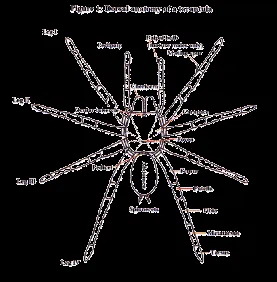
The prosoma, also known as the cephalothorax, is the front section of the tarantula’s body. It’s a fusion of the head and thorax, essentially the spider’s brain center and the location of most of its appendages. This section is typically hard and covered by a carapace, which offers protection. The prosoma is where the tarantula’s eyes, mouthparts (chelicerae and pedipalps), and legs originate. Its structure is a marvel of natural engineering, providing both protection and the necessary anchor points for movement and feeding. The size and shape of the prosoma can vary somewhat between different tarantula species, but the fundamental structure remains consistent across the board. This section houses vital organs and serves as the control center for many of the spider’s functions, including sensory perception and motor control. This critical area is the cornerstone of the tarantula’s ability to navigate, hunt, and interact with the world around it.
What is Prosoma?

The prosoma, a fused structure, is more than just a head; it’s a functional unit that concentrates essential systems. It houses the tarantula’s brain, the heart, and the structures responsible for feeding, sensory input, and movement. The carapace, the hard shell covering the prosoma, acts as a protective shield, guarding the delicate internal organs from physical damage. The chelicerae, the mouthparts containing fangs, and the pedipalps, used for manipulating food and sensing the environment, are attached to the prosoma. The legs, essential for locomotion, are also anchored to this section. In essence, the prosoma is the power center of the tarantula, coordinating all its vital activities and serving as the foundation for its survival. Understanding the prosoma is fundamental to understanding the overall biology of the tarantula, from its behavior to its needs for maintaining its health.
Key Features of the Prosoma
The prosoma is characterized by several key features that enable the tarantula to function. The carapace provides structural support and protection, acting like a shield. The eyes, varying in number and arrangement depending on the species, are located on the prosoma and provide the tarantula with its vision, which can range from excellent to rudimentary. The chelicerae, containing the fangs, are designed for injecting venom and manipulating prey. The pedipalps, often used for sensing and handling food, are also attached here. The legs, providing the tarantula with the ability to move, are another prominent feature. The prosoma also contains the mouth and the sucking stomach, vital for the intake of food. Understanding these features helps in recognizing the tarantula’s capabilities and the way it interacts with its environment.
The Abdomen
The abdomen is the second major body division of the tarantula, located at the rear of the spider. It is typically softer and more flexible than the prosoma, allowing for expansion as the tarantula eats or carries eggs. The abdomen contains vital organs, including the heart, the book lungs (used for respiration), the silk-producing spinnerets, and the digestive system. The size and shape of the abdomen can vary considerably depending on factors like the tarantula’s feeding habits, reproductive status, and overall health. The abdomen is a vital part of the spider’s body, playing a crucial role in respiration, reproduction, and waste management. It is connected to the prosoma by a narrow pedicel, which allows for movement and flexibility, crucial for the spider’s ability to twist and move. The abdomen’s flexibility allows it to adapt to various conditions, enabling the tarantula to survive and thrive.
Understanding the Abdomen’s Role
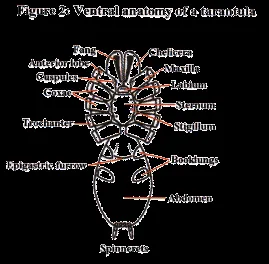
The abdomen plays a crucial role in a tarantula’s survival. It houses the majority of the spider’s internal organs. The heart is responsible for circulating hemolymph (spider blood), while the book lungs facilitate respiration by extracting oxygen from the air. The spinnerets, located at the rear of the abdomen, produce silk, which is used for a variety of purposes, including building webs, creating egg sacs, and capturing prey. The abdomen also contains the digestive system, where food is processed and nutrients are absorbed. The abdomen expands as the tarantula feeds and stores energy, playing a role in its growth and overall health. Its soft and flexible structure allows the tarantula to move, and its size can indicate the spider’s health and feeding status. Understanding the abdomen’s role is critical for appreciating the complexity of tarantula anatomy and behavior.
What’s inside the Abdomen?
Inside the abdomen, several vital systems work together. The heart, positioned dorsally, pumps hemolymph, which circulates throughout the body. The book lungs, which look like pages of a book, are the organs for gas exchange. The spinnerets produce silk, creating webs, egg sacs, and draglines. The digestive system includes the stomach, intestines, and Malpighian tubules, which process food and eliminate waste. Also contained within the abdomen are reproductive organs, such as the ovaries in females and the testes in males. The internal organs are protected by the abdomen’s flexible walls. The contents can change depending on the tarantula’s feeding habits and reproductive state. Understanding the functions of these internal components helps you grasp the complexities of tarantula biology and the interdependence of the spider’s systems.
Body Divisions and Tarantula Health
The health of a tarantula can often be gauged by observing its body divisions. A healthy tarantula typically has a well-proportioned prosoma and abdomen. The abdomen should be reasonably plump but not excessively distended, which could indicate overfeeding or health problems. The carapace of the prosoma should be shiny and free of blemishes. Changes in these areas may signal underlying health issues. Careful observation of the body divisions allows keepers to identify potential issues early on and take appropriate steps to care for the spider. For instance, a shrunken abdomen could indicate dehydration or starvation, while an overly large abdomen might suggest overfeeding or other health concerns. The body divisions serve as indicators of the tarantula’s general well-being.
How Body Divisions Impact Molting
Molting is the process by which a tarantula sheds its exoskeleton, and the body divisions play a crucial role. Prior to molting, the tarantula’s abdomen may appear larger and more swollen as it prepares for the process. The old exoskeleton splits along the prosoma, allowing the spider to emerge. After molting, the tarantula is soft and vulnerable, with its new exoskeleton hardening over several days. The body divisions are affected during molting, as the spider needs to withdraw from its old shell. Any issues with the body divisions can complicate the molting process, making it difficult or even lethal for the spider. It’s important to provide the right environment and humidity to support successful molting. Observing the changes in the tarantula’s body divisions before and after molting is essential for successful tarantula keeping, as this insight helps to predict and aid the molting process.
Identifying Health Issues
The body divisions can give vital clues about a tarantula’s health. Examine the prosoma for any visible injuries, such as dents or abrasions. The abdomen can indicate issues such as parasites, bacterial or fungal infections, or problems with hydration. A shrunken abdomen can point to dehydration or lack of food, while an overly large abdomen could be a sign of overfeeding or other health concerns. Any discolouration or unusual growths on either body division can indicate diseases or parasites. Regular examination of the body divisions helps you spot problems early on, such as mites, or other parasitic problems. Taking swift action, like improving husbandry or seeking veterinary advice, can often prevent minor issues from developing into serious health crises. Thus, the body divisions are not just anatomical structures, but they are also important indicators of the overall health of the tarantula.
Body Divisions and Tarantula Behavior
A tarantula’s body divisions influence its behavior and ability to interact with its environment. The prosoma, housing the brain and sensory organs, controls the spider’s responses to stimuli. The abdomen’s size and condition can impact its movement and feeding behavior. Changes in the body divisions due to molting, injury, or illness can influence how the spider hunts, defends itself, and interacts with other tarantulas. By observing the body divisions, keepers gain valuable insights into the spider’s state of mind and behavioral tendencies. Understanding this connection is an important part of providing optimal care for a tarantula, which makes understanding its behavior easier. This connection enhances your ability to provide appropriate environmental conditions and to recognize any signs of stress or disease.
How Body Divisions Affect Movement and Senses

The body divisions play a crucial role in how a tarantula moves and senses its surroundings. The prosoma houses the eyes and other sensory organs, allowing the tarantula to perceive its environment. The legs, attached to the prosoma, are essential for walking, climbing, and digging. The abdomen’s flexibility enables it to maneuver in tight spaces and twist. The body divisions, working in concert, allow the tarantula to hunt, escape predators, and build burrows. An injury or health issue in either division can impair the spider’s ability to move and react to its environment. For example, damage to the legs on the prosoma or the abdomen could seriously affect mobility, while problems with the sensory organs could hinder the spider’s ability to find food or avoid danger. Understanding how the body divisions affect movement and the senses is key to providing a safe and enriching environment for your tarantula.
Do Body Divisions Differ Between Species?
While the fundamental body plan of tarantulas is the same across all species, there are some variations. The size and shape of the prosoma and abdomen can differ, as can the size and arrangement of the eyes. Some species have more robust legs, adapted for digging or climbing. Certain species have more prominent setae (hairs), used for sensing and defense. The overall structure of the body divisions can give you a clue as to the species’ habits and lifestyle, like whether it’s a terrestrial, arboreal, or burrowing species. Understanding these differences can help you provide optimal care. By studying the specific features of each species, you can learn to appreciate the diversity and adaptations of these incredible arachnids.
Exploring Different Species
When exploring different tarantula species, the body divisions provide key clues about their natural history and care requirements. For example, terrestrial species often have more robust bodies and shorter legs, built for ground dwelling, and often have larger abdomens for food storage. Arboreal species, on the other hand, tend to have longer legs and a lighter build, built for climbing. Their prosoma and abdomen may be more streamlined. Burrowing species may have specially adapted chelicerae for digging and a compact body shape. Examining the variations in these divisions—size, shape, and specializations—can inform you of the individual species. These variations highlight the different species’ adaptions to their environments. Observing the body divisions lets you better understand the spider’s behavior and to provide a suitable habitat and care.
Conclusion

Understanding tarantula body divisions is crucial for anyone interested in caring for these captivating creatures. From the prosoma to the abdomen, each section plays a critical role in the spider’s health, behavior, and survival. By knowing these parts, you can better recognize and address potential health issues, appreciate the complexities of molting, and understand how different species adapt to their environments. Regular observation and careful consideration of the body divisions are vital for the well-being of your tarantula. As you deepen your knowledge, you’ll be more equipped to provide the best care possible, allowing your tarantula to thrive. Enjoy the journey of learning about these fascinating arachnids!