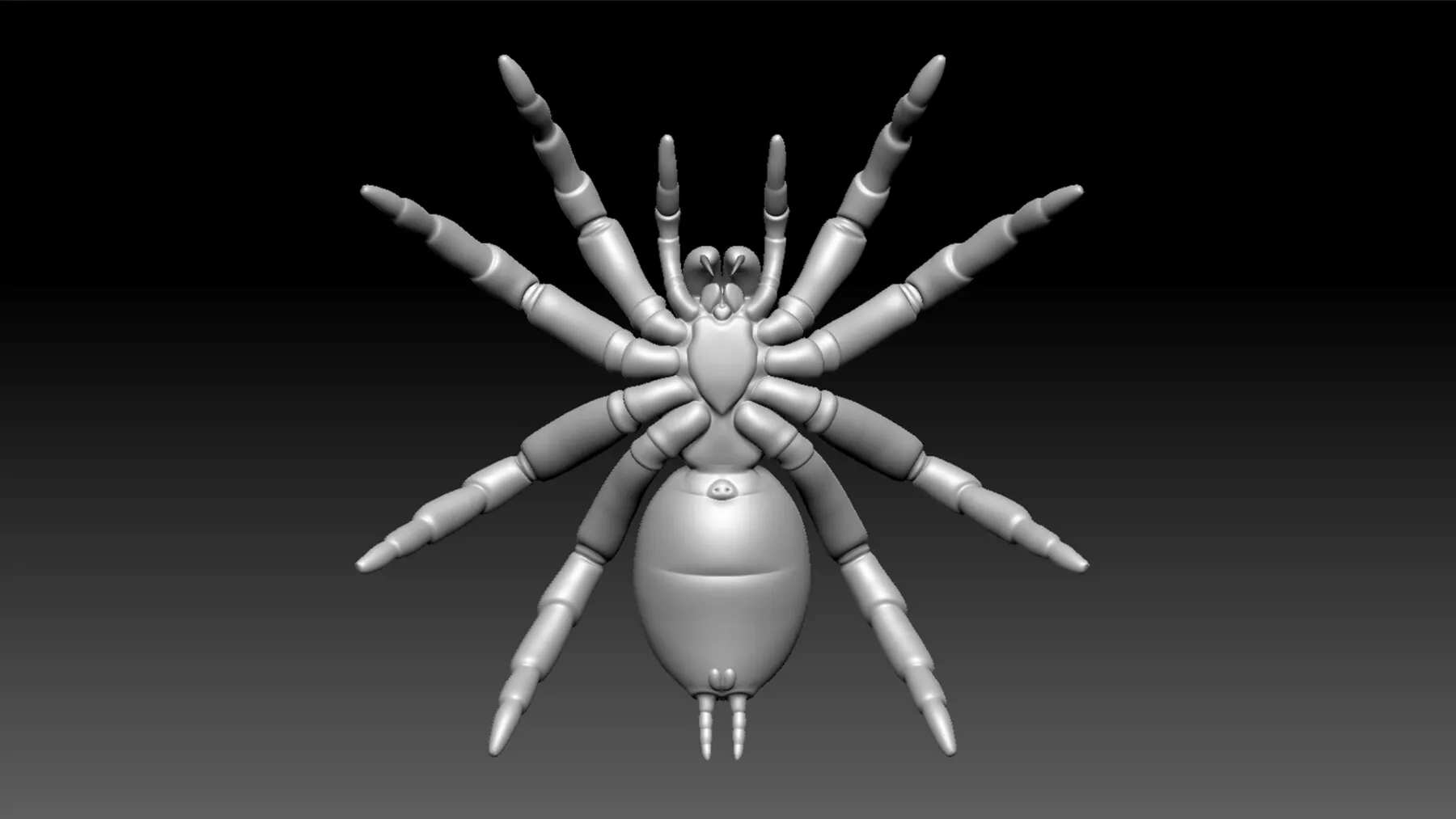
Understanding Tarantulas Before You Get One
Before you welcome a tarantula into your home, it’s essential to understand these fascinating creatures. Tarantulas, despite their sometimes intimidating appearance, are generally docile and make relatively low-maintenance pets compared to many other exotic animals. They are arachnids, not insects, and belong to the Theraphosidae family. They are known for their hairy bodies, eight legs, and impressive size, with some species reaching up to 12 inches in leg span. A crucial aspect of understanding tarantulas is recognizing their lifespan. Some species can live for over 20 years, meaning you’re committing to a long-term companion. They are solitary creatures, preferring to live alone, and are primarily nocturnal, meaning they are most active at night. Their care needs are relatively simple, but proper research is vital to provide them with a healthy and enriching life. Consider the commitment, space, and the specific needs of the tarantula to determine if you’re ready for this unique pet.
Choosing the Right Tarantula Species
Selecting the right tarantula species is the most important step for a beginner. Different species have varying temperaments, care requirements, and sizes. Research thoroughly to find one that matches your experience level and lifestyle. Consider the tarantula’s origin, as their native habitat provides clues about their needs for temperature, humidity, and enclosure setup. Begin with a species known for being docile, hardy, and relatively easy to care for. This will minimize the stress on both you and the tarantula while you learn. Also, consider the size the tarantula will reach; some species are much larger and require more space and resources. Take your time and find a reputable breeder, pet store, or rescue organization to ensure you are getting a healthy specimen. Finally, remember that all tarantulas can bite and possess urticating hairs (tiny hairs they flick to cause irritation), so responsible handling and research are key.
Beginner-Friendly Tarantula Species

Several tarantula species are exceptionally well-suited for beginners due to their gentle nature, hardiness, and relatively simple care needs. The Chilean Rose Hair tarantula (Grammostola rosea) is a classic choice. They are typically docile, slow-moving, and have a lifespan of up to 20 years. The Mexican Red Knee tarantula (Brachypelma hamorii) is another popular option; although slightly more skittish than the Rose Hair, they are visually stunning with their striking red and black coloration. The Pinktoe tarantula (Avicularia avicularia) is a semi-arboreal species that is more active and colorful. However, they can be faster and more prone to bolting. Before buying, always check the tarantula’s temperament. A healthy tarantula should appear alert and active. These species are a good starting point for anyone new to tarantula keeping. Remember, researching the specific needs of each species is always recommended.
Things to Consider When Choosing
Several crucial factors will influence your tarantula choice. First, consider your experience level with exotic pets, or any pets at all. Are you prepared to dedicate time to researching and understanding your tarantula’s needs? Think about your living situation. Do you have adequate space for the enclosure, and can you maintain the appropriate temperature and humidity levels? Consider the tarantula’s temperament and the potential risks. Tarantulas, even those known for being docile, can bite if provoked. Research species-specific behaviors and handling techniques. The lifespan of a tarantula is an essential consideration. Are you prepared to care for your pet for several years, or potentially decades? Budgeting is also critical; tarantulas can have initial costs. Consider the cost of the tarantula, enclosure, substrate, accessories, and food. Always buy from a reputable source to ensure that your tarantula is healthy and ethically sourced.
Setting Up Your Tarantula Enclosure
Creating the perfect enclosure is key to your tarantula’s well-being. The enclosure should mimic its natural habitat, providing security, comfort, and adequate space. Choose an enclosure that is appropriately sized for your tarantula’s species and size. Ensure the enclosure is escape-proof, as tarantulas can be surprisingly agile. The setup should also promote easy cleaning and maintenance. Provide a secure hiding place and maintain the correct environmental conditions. Remember that a well-set-up enclosure is essential for your tarantula’s health, happiness, and overall well-being. The following aspects are fundamental to setting up the perfect environment for your new pet.
Enclosure Size and Type

The size and type of enclosure directly impact your tarantula’s quality of life. For terrestrial species, a terrarium that is wider than it is tall is often best. The general rule of thumb is to provide an enclosure that is at least three times the tarantula’s leg span in width and length. Arboreal species, which live in trees, need taller enclosures that allow them to climb. Ensure the enclosure has adequate ventilation to prevent mold growth and maintain proper air circulation. The enclosure should have a secure lid to prevent escape, and it is best to use a lid with a locking mechanism. Clear plastic or glass enclosures are ideal as they allow you to easily view your tarantula. Avoid using enclosures with sharp edges or features that could pose a danger to your pet.
Substrate Selection
The substrate forms the foundation of your tarantula’s environment and plays a vital role in maintaining humidity, providing a comfortable surface, and allowing the tarantula to burrow. For most terrestrial species, a substrate mix of coconut fiber, peat moss, and a small amount of vermiculite or sphagnum moss works well. These materials hold moisture, allowing you to maintain appropriate humidity levels. Avoid using gravel, sand, or wood chips, as these can be harmful to your tarantula. Deep substrate (at least 4-6 inches) allows the tarantula to burrow, which is essential for their well-being. The depth should be increased, depending on the species and its burrowing behavior. Regularly check the substrate for mold or any signs of unwanted organisms. Replace the substrate as needed to maintain a clean and healthy environment.
Essential Enclosure Accessories
Several accessories enhance your tarantula’s enclosure. A water dish is a must; it should be shallow enough to prevent drowning but accessible. Ensure the water dish is always filled with fresh water. Provide a hide, such as a half-log, cork bark, or a commercially available hide. The hide provides a secure and private retreat for your tarantula, reducing stress. A thermometer and hygrometer are essential for monitoring the temperature and humidity levels within the enclosure. Place these in a location where you can easily read them. If you have an arboreal species, provide climbing materials such as branches or cork bark. These enrich the environment and satisfy the spider’s natural climbing behavior. Keep in mind the size of your tarantula and the space within the enclosure when choosing accessories.
Maintaining Proper Humidity and Temperature

Controlling humidity and temperature is crucial for your tarantula’s health. Research the specific needs of your tarantula’s species; some require higher humidity levels than others. Use a hygrometer to monitor the humidity levels. You can increase humidity by misting the enclosure with water, especially for tropical species. Ensure the enclosure is well-ventilated to prevent mold growth. Avoid over-misting, which can lead to a damp environment. Temperature also plays a critical role; most tarantulas thrive at temperatures between 75 and 85 degrees Fahrenheit. Use a thermometer to monitor the temperature within the enclosure. If needed, use a heat lamp or a heat mat, placed on the side of the enclosure, to provide supplemental heat. Be careful to avoid overheating, as this can be fatal. Maintain a consistent environment to reduce stress on your tarantula.
Feeding Your Tarantula
Feeding your tarantula is a simple but crucial aspect of their care. Tarantulas are carnivores, and their diet consists primarily of insects. The type of insect and the feeding frequency depend on the species and age of the tarantula. Ensure that the insects you feed are gut-loaded (fed nutritious food) to provide your tarantula with essential nutrients. Always remove uneaten food from the enclosure to prevent mold and mites. The feeding schedule should be adjusted based on the tarantula’s growth and activity. A well-fed tarantula is typically active and healthy.
What to Feed
The most common food items for tarantulas include crickets, mealworms, super worms, and roaches. The size of the prey should be appropriate for the size of your tarantula. As a general rule, the prey should be no larger than the tarantula’s body. Avoid feeding wild-caught insects, as they may carry parasites or pesticides. You can find commercially available insects at pet stores, online suppliers, or from breeders. Gut-load the insects for at least 24 hours before feeding them to your tarantula. This means feeding the insects nutritious foods such as vegetables, fruits, and commercial insect food. This ensures that your tarantula receives a balanced diet. Supplementing with vitamins and minerals is generally not necessary if you provide gut-loaded insects.
Feeding Frequency

The frequency with which you feed your tarantula depends on its age and species. Spiderlings (young tarantulas) need to be fed more frequently, sometimes every other day. As tarantulas mature, the feeding frequency can be reduced. Adult tarantulas typically need to be fed once or twice a week. Adjust the feeding schedule based on the tarantula’s appetite and growth rate. If the tarantula is not eating or refuses food, it may be molting, and you should stop feeding until it has completed the molting process. Avoid overfeeding, as this can stress your tarantula and increase the risk of health problems. Monitor the tarantula’s abdomen; it should be plump but not overly distended.
Watering Your Tarantula
Providing clean water is just as important as feeding. Tarantulas get hydration from water. Always provide a shallow water dish with fresh, clean water. Ensure that the water dish is accessible to your tarantula but shallow enough to prevent drowning. For smaller tarantulas, you can use a bottle cap or a cotton ball soaked in water. Change the water at least every other day to keep it fresh and prevent the growth of bacteria. You may need to mist the enclosure if you keep a species that requires high humidity. However, avoid over-misting, as this can lead to mold growth. The watering needs depend on the humidity requirements of the specific species and the substrate.
Handling Your Tarantula
Handling tarantulas can be a rewarding experience. However, it carries risks, and it is not necessary for their well-being. Some species are more docile and tolerate handling better than others. Always be aware of the potential risks before you handle your tarantula, as all species can bite. If you choose to handle your tarantula, do so with caution, slowly and carefully. Observe your tarantula’s behavior and body language; if it appears stressed or defensive, do not attempt to handle it. Handling should always be done at your own risk.
When to Handle

There are specific times when handling should be avoided. Do not handle your tarantula if it is molting or about to molt. During this process, they are vulnerable and easily injured. Also, avoid handling a tarantula that appears stressed, defensive, or agitated. Never handle a tarantula after feeding, as they may be more prone to biting. Be aware of the urticating hairs that some species have and avoid agitating them. Be cautious when handling tarantulas that have recently been acquired or are new to your enclosure. Give your tarantula time to acclimate to its new environment before attempting to handle it. Always prioritize the well-being and safety of your tarantula and avoid handling if there is any doubt or hesitation.
How to Handle Safely
If you choose to handle your tarantula, follow specific safety guidelines. Always handle your tarantula over a soft surface, such as a bed or a carpeted area, in case it falls. Use slow, gentle movements to avoid startling the tarantula. Never squeeze or grab the tarantula; allow it to walk onto your hand. If the tarantula becomes agitated or starts to flick its legs, gently place it back into its enclosure. Wash your hands before and after handling to prevent the transfer of oils and contaminants. Be prepared for the possibility of a bite. While tarantula bites are rarely medically significant, they can be painful. Keep the tarantula’s size and temperament in mind before choosing to handle it.
Tarantula Health and Common Issues
Monitoring your tarantula’s health is crucial for its long-term well-being. Learn to recognize signs of illness or stress and take prompt action when necessary. Proper care and environmental conditions are the most important factors in maintaining a healthy tarantula. Regular observation of your tarantula’s behavior, eating habits, and overall appearance will help you detect any potential issues. Be proactive, and don’t hesitate to consult with a veterinarian specializing in exotic animals if you have concerns about your tarantula’s health. Preventative care is key to avoiding potential problems.
Recognizing Signs of Illness

Several signs can indicate that your tarantula is experiencing health problems. Loss of appetite or a refusal to eat can be a sign of illness or stress. Lethargy or a lack of activity is also a concern; healthy tarantulas should be active and alert. Check for any unusual discharge or swelling on the tarantula’s body. Look for signs of parasites, such as mites. Difficulty molting can also be a sign of underlying health issues. If you notice any of these signs, isolate the tarantula from other pets and consult with a veterinarian or experienced tarantula keeper immediately. Early detection and intervention can improve the chances of a successful recovery.
Molting Process
Molting is a natural and essential process for tarantulas, allowing them to grow and replace their exoskeleton. The frequency of molting depends on the tarantula’s age and species. Spiderlings molt more frequently than adults. Before molting, the tarantula may stop eating and become less active. You may notice the tarantula lying on its back, which is a normal posture during molting. Do not disturb your tarantula during the molting process. Provide a humid environment to facilitate the process. Once the tarantula has molted, it will be soft and vulnerable. Do not feed the tarantula until its new exoskeleton has hardened, which can take several days. The discarded exoskeleton can be saved as a memento or used for determining the tarantula’s gender.
Where to buy your tarantula
The process of acquiring your new tarantula requires a reliable and trustworthy source. There are a few different places to find your new pet, including local pet stores, reptile expos, or online breeders and vendors. It is essential to find a reputable breeder or store to ensure that you get a healthy tarantula. Avoid buying from sources that appear to be selling sick or stressed animals. If possible, visit the breeder’s facilities or the store to see how the tarantulas are kept. Always ask questions about the tarantula’s origin, age, and feeding history. Be patient and take the time to find the right tarantula for you. Buying your tarantula from a good source is the first step in providing it with a happy and healthy life.