
Tarantulas, with their impressive size and fascinating behaviors, have become increasingly popular pets. However, these captivating creatures have specific needs that must be met to ensure their health and happiness. This comprehensive guide provides essential information on tarantula care, covering everything from choosing the right species to maintaining a suitable habitat and understanding their unique behaviors. By following these guidelines, you can create a thriving environment for your tarantula and enjoy the rewarding experience of owning these amazing arachnids.
Choosing Your Tarantula
Selecting the right tarantula is the first crucial step in successful tarantula care. Not all species are created equal, and some are better suited for beginners than others. Researching different species is essential to find one that aligns with your experience level and lifestyle. Consider factors such as size, temperament, and specific care requirements when making your decision. By choosing wisely, you can set yourself and your new pet up for a positive experience.
Types of Tarantulas for Beginners
Certain tarantula species are known for their docile temperament and relatively easy care requirements, making them ideal for beginners. The Chilean Rose Hair tarantula (Grammostola rosea) is a popular choice due to its gentle nature and tolerance of a range of conditions. Other beginner-friendly options include the Mexican Red Knee (Brachypelma hamorii) and the Brazilian Black (Grammostola pulchra), both known for their calm demeanor. Always research the specific needs of any species you are considering.
Size and Temperament Considerations

Tarantulas range in size from small to quite large, with some species reaching a leg span of 10 inches or more. Consider the size of the tarantula when choosing an enclosure. Temperament is another critical factor. Some tarantulas are more prone to defensive behaviors, such as flicking urticating hairs or biting, while others are more docile. Research the temperament of a species before acquiring it, and always handle tarantulas with caution and respect. Observe their behavior before interacting.
Setting Up Your Tarantula’s Habitat
Creating a suitable habitat is crucial for the well-being of your tarantula. The enclosure should provide a comfortable and secure environment that mimics their natural habitat. Proper setup includes choosing the right size and material for the enclosure, providing a suitable substrate and furnishings, and maintaining the appropriate temperature and humidity levels.
Enclosure Size and Material
The size of the enclosure should be appropriate for the size of your tarantula. A good rule of thumb is to provide an enclosure that is at least twice the tarantula’s leg span in width and length, and tall enough to allow for some substrate and climbing space. Glass or acrylic enclosures are suitable choices, as they provide good visibility and are easy to clean. Ensure the enclosure has a secure lid to prevent escape and adequate ventilation to maintain air quality.
Substrate and Furnishings

The substrate provides a surface for the tarantula to walk on and burrow in, and also helps to maintain humidity. Suitable substrates include coconut fiber, peat moss, or a mix of both. Avoid using substrates that contain fertilizers or pesticides. Furnishings can enhance the enclosure and provide the tarantula with hiding places. Cork bark, artificial plants, and small hides are excellent additions. Ensure that any furnishings are securely placed to prevent injury to your tarantula.
Temperature and Humidity
Maintaining the correct temperature and humidity levels is vital for tarantula health. The ideal temperature range for most tarantulas is between 75 and 85°F (24-29°C). Use a heat lamp or under-tank heater to maintain the desired temperature, ensuring the heater doesn’t directly touch the enclosure. Humidity levels vary depending on the species, but most require humidity levels between 60% and 80%. Use a hygrometer to monitor humidity, and mist the enclosure regularly with water or provide a water dish.
Feeding Your Tarantula
Proper nutrition is essential for the health and growth of your tarantula. Providing the right food and following a consistent feeding schedule will keep your tarantula healthy and thriving. Understanding what tarantulas eat, how often to feed them, and how to provide water are all key aspects of tarantula care.
What to Feed Tarantulas
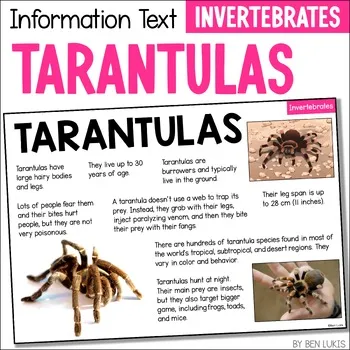
Tarantulas are primarily insectivores, meaning they eat insects. Suitable food items include crickets, mealworms, roaches, and other insects that are readily available at pet stores. Ensure that the insects are gut-loaded (fed nutritious food) before offering them to your tarantula. Avoid feeding wild-caught insects, as they may carry parasites or pesticides. Vary the diet to provide a variety of nutrients.
Feeding Frequency
The feeding frequency depends on the age and size of the tarantula. Spiderlings typically need to be fed more frequently, perhaps every other day, while adult tarantulas can be fed once or twice a week. Remove any uneaten food within 24 hours to prevent mold and maintain a clean enclosure. Adjust the feeding schedule based on your tarantula’s appetite and growth rate. Overfeeding can lead to health problems.
Water and Hydration
Tarantulas need access to fresh water at all times. Provide a shallow water dish in the enclosure and refill it regularly. The water dish should be shallow enough to prevent drowning. Some tarantulas may also drink from droplets on the enclosure walls after misting. Ensure that the water is clean and free of any contaminants.
Handling and Interaction

Handling tarantulas should be done with caution and respect. Not all tarantulas enjoy being handled, and some may become stressed or defensive. Learning safe handling practices and understanding tarantula behavior will help you avoid any injuries. It’s always best to observe their behavior and act accordingly.
Safe Handling Practices
If you choose to handle your tarantula, do so with care. Approach the tarantula slowly and gently. Avoid sudden movements that could startle it. Wash your hands before and after handling. Handle the tarantula close to the ground or a soft surface in case it falls. Be aware of the tarantula’s urticating hairs, which can cause skin irritation. Use a soft brush to gently remove any hairs that may have landed on your skin. Some tarantulas are faster than others, so always be ready to react.
Understanding Tarantula Behavior
Understanding tarantula behavior is crucial for responsible pet ownership. Observe your tarantula’s body language and behavior to gauge its mood and stress levels. Some tarantulas may be more defensive than others, and it’s important to respect their boundaries. Learn to recognize signs of stress, such as raising their front legs, showing fangs, or flicking urticating hairs. Avoid handling your tarantula if it appears stressed or defensive.
Common Health Issues and Prevention

Preventing health issues is essential for your tarantula’s well-being. By providing proper care and maintaining a clean environment, you can minimize the risk of health problems. However, tarantulas can still encounter issues, so it’s important to be prepared and know how to address them.
Molting Process
Molting is a natural process where tarantulas shed their exoskeleton. During this time, the tarantula is vulnerable and should not be disturbed. Provide a humid environment to aid the molting process. After molting, the tarantula’s fangs and body will be soft, and it will take a few days for them to harden. Avoid handling the tarantula until its fangs have hardened. If there is any problem during the molting process, consult with a veterinarian. Image of a molting tarantula is good to include.
Identifying and Treating Illnesses
Be aware of potential signs of illness in your tarantula. These may include loss of appetite, lethargy, unusual posture, or the presence of parasites. If you notice any of these signs, consult with a veterinarian who specializes in exotic animals. Common health issues include fungal infections, mites, and dehydration. Early detection and treatment are crucial for the best outcomes for your tarantula’s health.
Long-Term Tarantula Care

Caring for a tarantula is a long-term commitment. These creatures can live for many years, so it is important to be prepared for the responsibilities involved. This section discusses the lifespan and expectations of tarantula care and how to locate a qualified veterinarian if needed.
Lifespan and Expectations
Tarantulas have varying lifespans depending on the species and sex. Female tarantulas generally live much longer than males. Some species can live for over 20 years, while others may only live for a few years. Be prepared to provide care for your tarantula for its entire lifespan. Keep a record of your tarantula’s molts, growth, and any health issues that arise.
Finding a Veterinarian
It is essential to find a veterinarian who is experienced in treating exotic animals, particularly arachnids, before you bring a tarantula home. Ask for recommendations from local pet stores, online tarantula communities, or other exotic pet owners. In an emergency, a veterinarian can provide valuable medical care for your tarantula. Keeping a list of emergency contacts and a plan is always recommended for situations of this nature. Regular checkups may not be necessary, but having a veterinarian readily available is important.
In conclusion, providing proper care for your tarantula is a rewarding experience. By following this guide, you can create a thriving and fulfilling life for your tarantula. Enjoy the journey of caring for these amazing creatures and the unique experience of owning a tarantula.