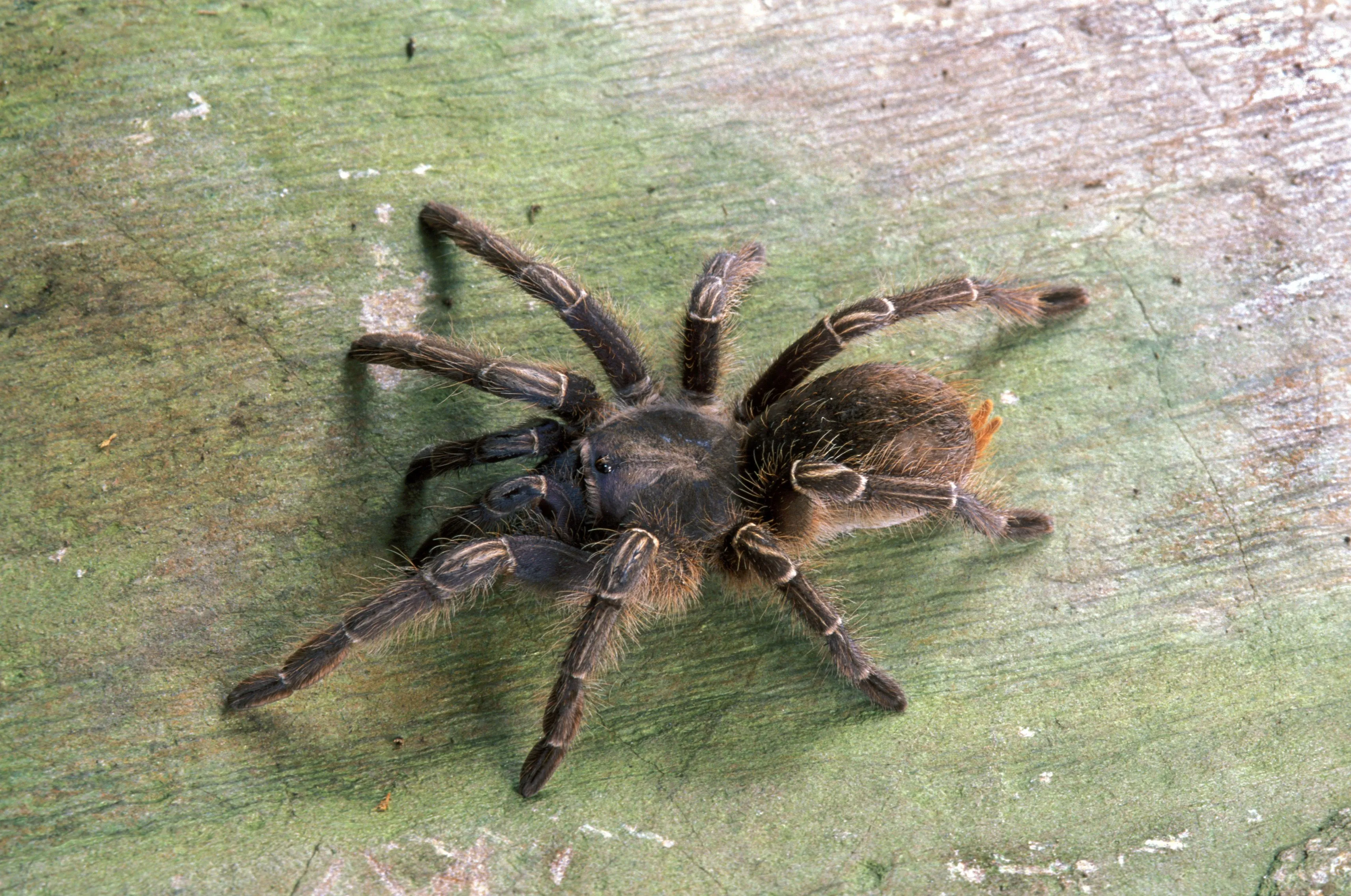
Bringing a tarantula into your home can be an incredibly rewarding experience. These fascinating creatures, with their diverse species and unique behaviors, offer a captivating glimpse into the world of arachnids. However, responsible pet ownership requires understanding their specific needs to ensure their well-being. This comprehensive tarantula care guide provides essential pet tarantula information to help you create a thriving habitat and maintain a healthy, happy tarantula.
Choosing the Right Pet Tarantula
The first step in successful tarantula care is selecting the right species. Not all tarantulas are created equal in terms of temperament, care requirements, and suitability for beginners. Thorough research is essential before acquiring your first tarantula to avoid potential challenges and ensure a good match for your experience level and lifestyle. Consider factors such as size, venom potency, and activity level when making your decision.
Understanding Tarantula Species
Tarantulas belong to the Theraphosidae family, encompassing hundreds of species, each with unique characteristics. Native habitats range from tropical rainforests to deserts, influencing their specific care needs. Understanding these differences is crucial for replicating their natural environment within your home. Some tarantulas are terrestrial, spending most of their time on the ground, while others are arboreal, preferring to climb and live in trees. This distinction affects enclosure setup and enrichment strategies.
Popular Tarantula Species

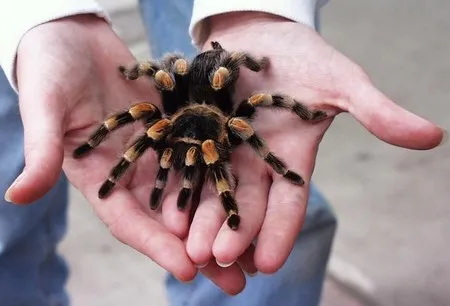
Several tarantula species are popular among beginners due to their docile temperaments and relatively straightforward care requirements. These include the Chilean Rose Hair Tarantula (Grammostola rosea), known for its calm disposition and tolerance for handling; the Pinktoe Tarantula (Avicularia avicularia), a beautiful arboreal species; and the Mexican Red Knee Tarantula (Brachypelma hamorii), famous for its striking coloration and gentle nature. Always research any species before obtaining it to verify care requirements.
Things to consider when choosing a species
Before choosing a tarantula, consider its size, temperament, and lifespan. Larger species require larger enclosures. Some tarantulas are more defensive than others, making them less suitable for frequent handling. Tarantulas can live for many years, sometimes decades, so be prepared for a long-term commitment. Research the specific care needs of each species, including appropriate temperature, humidity, substrate, and feeding habits, to guarantee a flourishing pet tarantula.
Setting Up Your Tarantula’s Enclosure
Creating a suitable enclosure is crucial for your tarantula’s well-being. It should mimic their natural habitat and provide a secure, comfortable environment. The enclosure should be appropriately sized for the species, escape-proof, and provide ample space for movement and enrichment. A well-designed enclosure reduces stress and promotes natural behaviors, enhancing your tarantula’s quality of life.
Enclosure Size and Materials

The enclosure size depends on the tarantula species and its adult size. A good rule of thumb is to provide an enclosure that is at least twice the tarantula’s leg span in length and width, and the height should be appropriate for arboreal or terrestrial species. Glass or clear plastic enclosures are ideal for visibility. Ensure the enclosure has a secure lid with adequate ventilation to prevent escapes and maintain proper air circulation, preventing mold and stagnation.
Substrate and Decor
The substrate, or bedding, is a crucial part of the enclosure. The best substrates hold moisture and allow the tarantula to burrow or hide, fulfilling their natural instincts. Suitable choices include coconut fiber, peat moss, and a mix of both. Avoid substrates like wood chips, which can harbor mites and be difficult to clean. Add decor such as cork bark, branches, and artificial plants to provide hiding places and enrichment. Providing a water dish with fresh water is very important.
Temperature and Humidity
Maintaining the correct temperature and humidity levels is vital for your tarantula’s health. Most species thrive in temperatures between 75-85°F (24-29°C). Use a thermometer to monitor the temperature. Humidity levels vary depending on the species; some prefer drier environments, while others require higher humidity. Use a hygrometer to measure humidity. Adjust humidity by misting the enclosure with water or adding a water dish and ensuring proper ventilation to avoid mold growth. Place the enclosure out of direct sunlight and drafts.
Feeding Your Pet Tarantula

Feeding your tarantula appropriately is crucial for their health and growth. Tarantulas are opportunistic predators and will eat a variety of insects. It is crucial to provide a diverse diet that meets their nutritional needs. Monitor your tarantula’s eating habits and adjust feeding frequency and portion sizes accordingly to maintain a healthy weight and prevent overfeeding or underfeeding. A well-nourished tarantula will have a longer, more fulfilled life.
What Tarantulas Eat
The primary food source for tarantulas is insects. Crickets, mealworms, dubia roaches, and other commercially available insects make excellent food choices. Varying the diet provides a broader range of nutrients. Ensure that the insects you feed your tarantula are gut-loaded with nutritious food, like vegetables and grains, before feeding them to your spider. This helps provide your tarantula with essential vitamins and minerals. Never feed your tarantula insects caught from the wild.
Feeding Frequency and Portion Sizes
The feeding frequency depends on the tarantula’s age and size. Spiderlings need to be fed more frequently (2-3 times per week), while adult tarantulas can be fed less often (once a week or every other week). Adjust feeding based on the tarantula’s abdomen size; a plump abdomen indicates a well-fed tarantula. Remove any uneaten prey after 24 hours to prevent stress and potential harm to the tarantula. Ensure the prey is of a suitable size, generally no larger than the tarantula’s body size.
Watering Your Tarantula

Clean, fresh water is essential for your tarantula. Always provide a shallow water dish with fresh water, even if you mist the enclosure to increase humidity. This allows the tarantula to drink and stay hydrated. Monitor the water level and replenish it regularly. For smaller tarantulas, use a small bottle cap to prevent accidental drowning. Ensure the water dish is easy to access and kept clean to prevent bacterial growth.
Handling and Safety
Tarantulas are generally not meant to be handled frequently. While some species are calmer and more tolerant of handling than others, it’s essential to prioritize the tarantula’s safety and well-being. Handling can stress the tarantula and increase the risk of a bite, which can be painful and cause localized reactions. If you choose to handle your tarantula, it is essential to handle it cautiously and be aware of the risks involved.
Safe Handling Practices
If you decide to handle your tarantula, do so with extreme care. Handle them close to the ground to avoid injury if they fall. Always wash your hands before and after handling. Avoid handling your tarantula if it shows signs of stress, such as raising its front legs, flicking hairs (urticating hairs), or a defensive posture. Never handle a tarantula when it is about to molt, as they are extremely vulnerable during this period. Use a soft brush to gently guide it if necessary.
Recognizing Stress Signals

Learn to recognize the signs of stress in your tarantula. Defensive postures, like rearing up or displaying fangs, are clear indicators to back off. Other signs include excessive hiding, refusing food, or flicking urticating hairs (tiny hairs the tarantula uses to irritate predators). If your tarantula exhibits these behaviors, leave it alone and allow it to de-stress in its enclosure. Avoid loud noises and sudden movements around the enclosure.
Health and Common Issues
Understanding tarantula health is essential for recognizing and addressing potential issues. Regular observation of your tarantula’s behavior, feeding habits, and overall appearance will help you identify any problems early on. Consult with an experienced tarantula keeper or a veterinarian specializing in exotic animals if you suspect your tarantula is ill or injured. Early detection and treatment can make a big difference in the outcome.
Identifying and Treating Common Diseases
Common health issues include fungal infections, parasites, and injuries. Fungal infections can occur in humid environments. Prevent this by ensuring proper ventilation and avoiding over-misting. Parasites are rare in captive tarantulas, but if you suspect an infestation, quarantine the tarantula and seek veterinary assistance. Injuries can occur during handling or if the tarantula falls; treat minor injuries with antiseptic solutions and monitor for infection. Prompt veterinary care is very important.
Molting and What to Expect
Molting is a natural process where tarantulas shed their exoskeletons to grow. During molting, the tarantula will often stop eating, become less active, and may lie on its back. This is a vulnerable period; do not disturb the tarantula during molting. Provide a humid environment and leave it alone. After molting, the tarantula will be soft and vulnerable; do not feed it for a week or so, until its new exoskeleton hardens. Ensure that the enclosure is clean and free from potential hazards.
Tarantula Lifespan
Tarantulas have varying lifespans depending on the species and sex. Female tarantulas generally live much longer than males. Some species can live for 20-30 years or more, while males may only live for a few years after reaching maturity. Be prepared for a long-term commitment. Provide optimal care to maximize your tarantula’s lifespan. Research the average lifespan of your specific species to set expectations.
Breeding Tarantulas
Breeding tarantulas can be a challenging but rewarding experience. It requires a good understanding of the species, appropriate environmental conditions, and careful management of both the male and female spiders. It is also important to have a plan for the spiderlings once they hatch, as they can be difficult to house and feed. Before attempting to breed tarantulas, make sure you have the necessary experience and resources.
The Breeding Process
Breeding tarantulas typically involves introducing a mature male to a mature female’s enclosure. The timing of this introduction is critical and depends on the species. The male must initiate courtship behavior to avoid being attacked by the female. After mating, separate the male from the female to prevent the risk of being eaten. The female will then lay an egg sac, which she will protect and care for until the spiderlings hatch. Successful breeding results in many baby tarantulas.
Caring for Spiderlings
Caring for spiderlings is time-consuming. Spiderlings are delicate and require a specialized environment. The female will usually care for the spiderlings for a short time. After they hatch, they will need to be separated into individual enclosures to prevent cannibalism. Feed them appropriately sized prey, such as fruit flies or pinhead crickets. Provide a humid environment and monitor their growth carefully. Spiderlings need constant care, making this a complex undertaking.
Conclusion
Caring for a pet tarantula is a unique experience that offers a fascinating insight into the world of arachnids. Providing a suitable environment, appropriate feeding, and a safe handling approach are essential for ensuring your tarantula’s health and happiness. By following this guide, you can enjoy the rewarding experience of owning a pet tarantula while providing the best possible care. Remember to always prioritize the tarantula’s well-being and continue learning about these amazing creatures.