Setting Up Your Tarantula’s Habitat
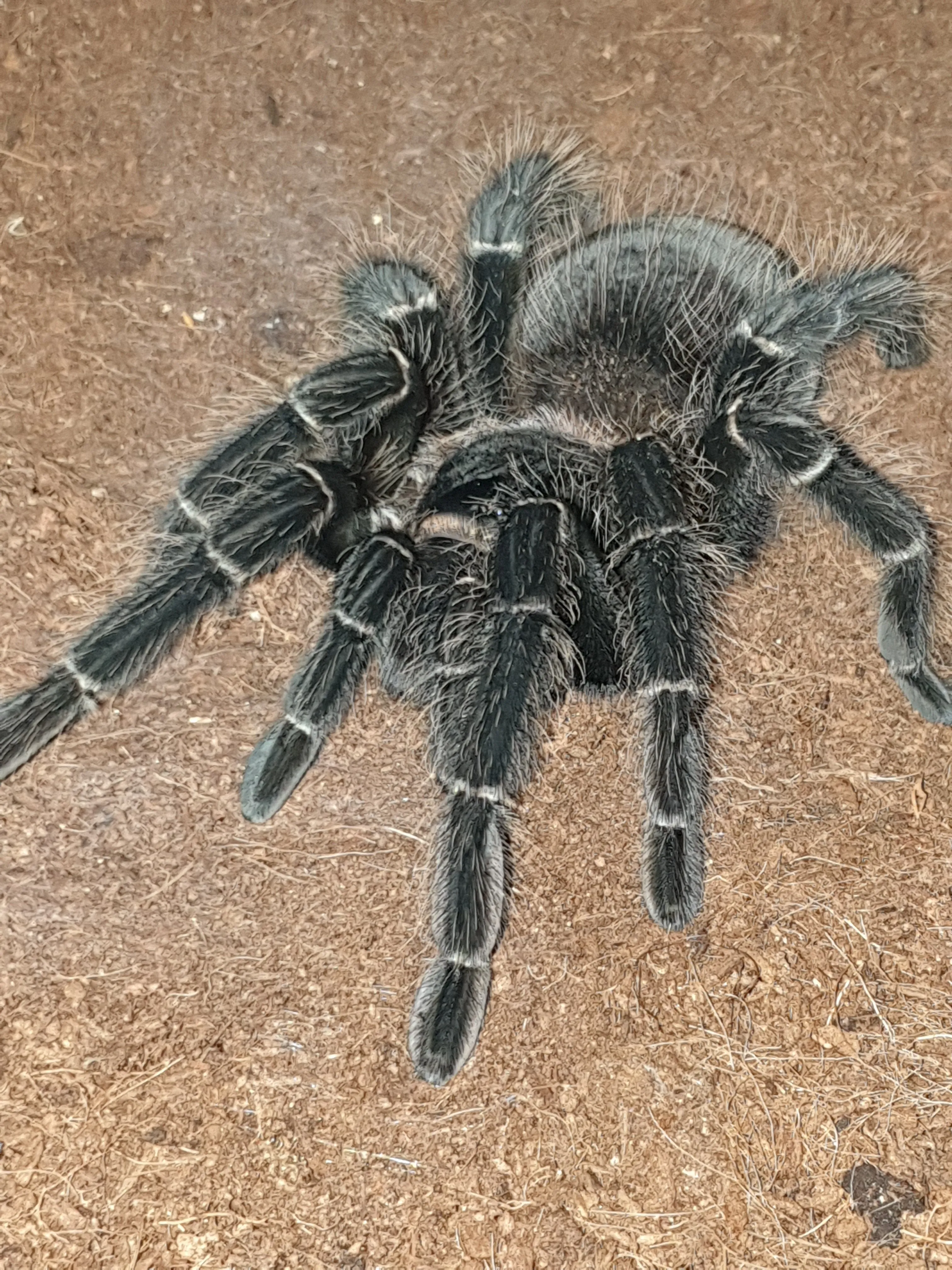
Creating the perfect habitat is the first step in providing the best life for your tarantula. The enclosure serves as your spider’s home, and a well-designed setup is crucial for its health, well-being, and ability to thrive. This involves carefully selecting the right enclosure, providing a suitable substrate, and adding essential elements like hides and decorations to mimic the tarantula’s natural environment. Remember that a comfortable and enriching habitat is the foundation of good tarantula care, setting the stage for a long and happy life for your eight-legged friend.
Choosing the Right Enclosure
Selecting the appropriate enclosure is paramount for the health and safety of your tarantula. Consider both the size and material of the enclosure. Glass or clear plastic enclosures are preferable as they allow for easy observation of your tarantula. The enclosure should be secure, with a tight-fitting lid to prevent escapes. Avoid enclosures with large ventilation holes, as these can create drafts that might harm your tarantula. The enclosure should provide enough space for your tarantula to move around comfortably, and to create a suitable environment. Size will depend on the species and size of your tarantula. Always prioritize the safety and security of the tarantula.
Enclosure Size

The size of the enclosure should be proportionate to your tarantula’s size. As a general rule, the enclosure should be at least twice the tarantula’s leg span in width and length, and tall enough to allow for the addition of substrate and decorations without crowding the spider. Provide sufficient space for your tarantula to move around, and avoid overcrowding the habitat. Juvenile tarantulas can start in smaller enclosures, which can help them feel more secure and facilitate feeding. Always upgrade the enclosure as your tarantula grows, ensuring it always has ample space to thrive. A cramped enclosure can stress your tarantula.
Substrate Selection
The substrate serves as the flooring of your tarantula’s enclosure, providing a comfortable surface for the spider to walk on, burrow in, and regulate humidity. The best substrate choices depend on the tarantula’s species and its natural habitat. The substrate should be non-toxic, absorbent, and able to hold moisture to maintain the necessary humidity levels for your tarantula. Always choose a substrate that is safe and appropriate for your specific tarantula species. Regularly check the substrate for cleanliness and replace it as needed to maintain a healthy environment.
Substrate Types
Several substrate options are available, each with its own benefits. Popular choices include coconut fiber (coco coir), peat moss, vermiculite, and a combination of these. Coconut fiber is a readily available and excellent choice, known for its moisture-retention capabilities and natural appearance. Peat moss and vermiculite also hold moisture well and can provide a slightly acidic environment beneficial for some species. Avoid substrates that contain chemicals or pesticides, and always ensure the substrate is clean and free of debris before introducing it to the enclosure. The substrate type should be species appropriate, and should provide a safe, comfortable home for your tarantula. The best substrate is one that mimics their natural environment.
Providing Hides and Decor
Tarantulas are naturally secretive creatures and need a place to hide and feel secure. Provide your tarantula with one or more hides. Suitable options include cork bark, half logs, or commercially available spider hides. These hides should be large enough for the tarantula to comfortably retreat inside. Decorations like artificial plants and branches can also be added to the enclosure to mimic the spider’s natural habitat and provide additional enrichment. Make sure any decorations are non-toxic and securely placed to prevent them from falling and potentially injuring your tarantula. A well-decorated enclosure makes the tarantula feel safe and secure.
Temperature and Humidity
Temperature and humidity are vital for your tarantula’s health and well-being. These environmental factors affect its metabolism, molting process, and overall comfort. Different tarantula species have varying temperature and humidity requirements, so it’s essential to research the specific needs of your spider. Maintaining the correct temperature and humidity levels is essential for your tarantula to thrive, preventing health issues and creating a suitable environment for its survival. Consistent monitoring and adjustments are needed to create a perfect environment.
Maintaining Ideal Temperature
Most tarantulas thrive in temperatures ranging from 70 to 85 degrees Fahrenheit (21 to 29 degrees Celsius). The ideal temperature can vary depending on the species. Use a thermometer to monitor the temperature inside the enclosure. To maintain the desired temperature, you might need to use a heat source such as a heat mat or a ceramic heat emitter, but always avoid direct heat sources. If you use a heat source, place it on the side of the enclosure or beneath it to avoid overheating. Monitor the enclosure temperature carefully. Regularly check the temperature to ensure the environment is safe and comfortable for your tarantula. Always place the thermometer away from heat sources.
Humidity Control
Humidity levels are crucial for tarantulas, especially during molting. The required humidity level depends on the species, ranging from relatively dry (40-60%) to more humid (70-80%). Use a hygrometer to measure the humidity inside the enclosure. To increase humidity, mist the enclosure with dechlorinated water or add a water dish. To reduce humidity, improve ventilation. The substrate also plays a vital role in regulating humidity levels. Some tarantula species require a humid environment to successfully molt, so understanding the humidity requirements of your specific species is important. Be sure to keep the substrate moist without making it too wet, which can lead to mold growth.
Feeding Your Tarantula
Feeding your tarantula correctly is another crucial aspect of tarantula care, contributing to its overall health and development. Providing the right prey, in the correct quantities and frequency, will ensure that your tarantula receives the necessary nutrients. It’s important to understand the nutritional needs of your tarantula and to provide a balanced diet. Always remove uneaten prey to maintain a clean and healthy habitat. Proper feeding habits are essential for keeping your tarantula healthy, and preventing stress or health issues.
Choosing Appropriate Prey
The most common and convenient food source for tarantulas is insects. Crickets, mealworms, and Dubia roaches are widely available and easy to manage. Ensure the insects you feed your tarantula are gut-loaded, meaning they are fed nutritious food before being offered to your spider. This ensures your tarantula receives the essential vitamins and minerals it needs. The size of the prey should be appropriate for your tarantula’s size. It should be smaller than the tarantula’s abdomen. Avoid feeding your tarantula wild-caught insects, as they may contain parasites or pesticides that could harm your spider. Always provide fresh and healthy prey.
Feeding Frequency

The feeding frequency depends on the tarantula’s age and size. Spiderlings generally need to be fed more often than adults, often 2–3 times a week. As the tarantula grows and matures, you can reduce the feeding frequency to once or twice a week, or even every other week. Monitor your tarantula’s abdomen to gauge its feeding needs. A well-fed tarantula will have a plump abdomen. Refrain from feeding your tarantula when it is in premolt, as it may refuse food. Always remove uneaten prey within 24 hours to prevent stress and potential harm to your tarantula.
Watering and Hydration
Providing fresh water is essential for your tarantula’s survival. Tarantulas need a constant source of hydration to stay healthy. Water is crucial for their metabolism and overall well-being. A proper watering setup and ensuring adequate hydration are integral parts of responsible tarantula care. Regular access to water is vital for your tarantula’s health, especially during molting. Regular access to clean water is essential for maintaining a healthy tarantula.
Water Dish Options
A shallow water dish is the most common way to provide water for your tarantula. The dish should be small enough that the tarantula can reach the water easily but not large enough to pose a drowning hazard. Use a small, stable dish made of ceramic or plastic. Place it in a safe location within the enclosure. Ensure the water dish is always filled with fresh, clean water, and regularly clean the dish to prevent the growth of bacteria and algae. A readily accessible water source is very important, especially for arid species. Use a shallow dish to minimize the risk of drowning.
Misting and Hydration

In addition to a water dish, you can also mist the enclosure, especially for species that require higher humidity. Use a spray bottle filled with dechlorinated water to mist the enclosure walls and substrate. Avoid spraying the tarantula directly, as this can stress it. Misting should be done as often as necessary to maintain the correct humidity levels for the species. Always monitor humidity levels with a hygrometer. Misting helps provide the moisture necessary for molting and overall health. Make sure to monitor the enclosure to prevent water from pooling, which could potentially cause health problems.
Handling and Safety
Handling your tarantula should be approached with caution and understanding. While some tarantulas are more docile than others, it’s important to remember that tarantulas are not pets that enjoy being handled. Tarantulas can bite if they feel threatened, and their bites can be painful. Always prioritize the safety of yourself and your tarantula. Understanding their behavior and practicing safe handling techniques is vital to prevent accidents and injuries. Handling should be kept to a minimum to avoid stressing your tarantula.
Understanding Tarantula Temperament
Tarantulas have different temperaments. Some species are more docile and less likely to bite, while others are more defensive and may bite or flick urticating hairs (small, irritating hairs) as a defense mechanism. Research the specific species of your tarantula to understand its temperament. Observe your tarantula’s behavior before attempting to handle it. A defensive tarantula will often display warning signs such as raising its front legs, rearing up, or flicking hairs. Always respect your tarantula’s behavior and avoid handling it if it appears stressed or agitated.
Safe Handling Practices

If you need to handle your tarantula (e.g., for enclosure cleaning or health checks), do so with extreme caution. It is generally best to avoid handling if possible. If handling is necessary, do so over a soft surface, such as a bed or a carpet, to minimize the risk if the tarantula falls. Wash your hands thoroughly before and after handling your tarantula. Use a gentle approach, and avoid making sudden movements. Never handle a tarantula if you are unsure of its temperament or if it appears stressed. Always prioritize the safety and well-being of both yourself and your tarantula.
Common Health Issues and Prevention
Tarantulas can be affected by various health issues, but many of these can be prevented with proper care. Recognizing potential health problems early is essential for providing prompt treatment. Maintaining a clean and healthy habitat, providing a balanced diet, and monitoring your tarantula’s behavior are all key aspects of preventative care. Being proactive in your tarantula care routine will ensure a long and healthy life for your pet. Early detection and intervention are crucial for your tarantula’s well-being.
Recognizing Signs of Illness
Be familiar with the normal behavior of your tarantula so you can quickly identify any changes. Signs of illness include lethargy, loss of appetite, unusual posture, difficulty molting, and discharge from the mouth or legs. A tarantula that is showing signs of illness should be closely monitored, and if the condition worsens, you should seek advice from an experienced tarantula keeper or a veterinarian with experience in exotic animals. Regular observation is key to noticing changes. Any unusual behavior should be investigated quickly.
Preventative Care
Preventative care is the best way to ensure your tarantula remains healthy. This includes maintaining a clean and well-ventilated enclosure, providing a balanced diet, and ensuring the correct temperature and humidity levels. Regularly check the enclosure for any signs of mold, pests, or other potential health hazards. Isolate new tarantulas for a period to observe them for any signs of illness. Keep the enclosure clean and free from waste and uneaten food. By following these preventative measures, you will greatly improve the chances of your tarantula living a long and healthy life. By providing proper care, you can significantly reduce the risk of health problems.
Conclusion
Caring for a tarantula can be a rewarding experience. By following this comprehensive guide, you can provide your tarantula with the best possible life. Remember that research, observation, and a commitment to providing the right environment are key to success. From creating the perfect habitat to understanding their needs, you can ensure your tarantula thrives. This journey of tarantula ownership is about appreciating these fascinating creatures and giving them the care they deserve. With dedication and knowledge, you can ensure your tarantula lives a long and fulfilling life. Enjoy the unique experience of caring for these amazing creatures!