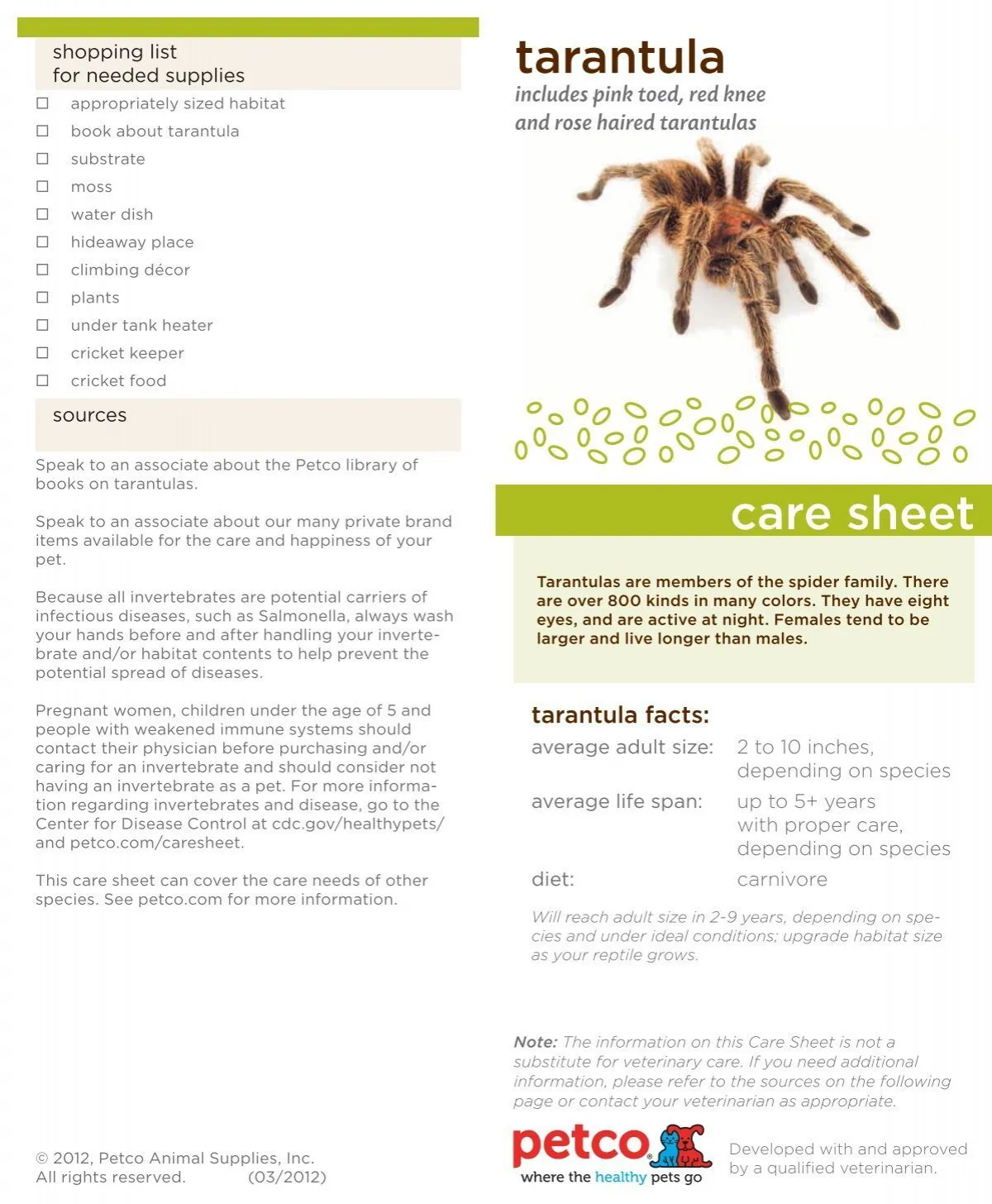
Tarantula Care Sheets Why They Make Great Pets
Tarantulas, with their fascinating appearances and relatively low-maintenance needs, have become increasingly popular pets. They offer a unique opportunity to observe the wonders of the invertebrate world. Unlike many other pets, tarantulas don’t require daily walks, extensive grooming, or constant attention. Their quiet nature and captivating behaviors make them ideal for individuals and families who appreciate observing wildlife from a distance. Caring for a tarantula can be a rewarding experience, offering a glimpse into a different world of animal behavior and providing an engaging hobby. Understanding their specific needs is crucial to ensure a long and healthy life for these amazing creatures, transforming your home into a captivating miniature ecosystem.
Understanding Tarantula Habitats
Creating the right habitat is paramount to your tarantula’s well-being. Their enclosures need to mimic their natural environment to thrive. Different species of tarantulas come from different habitats, ranging from tropical rainforests to arid deserts, thus the enclosure setup must be tailored to the specific species. This includes considering factors like humidity, temperature, and substrate. A well-designed habitat provides not only a comfortable living space but also enriches their lives by allowing them to express natural behaviors like burrowing, hiding, and hunting. Failing to meet these requirements can lead to stress, health problems, and a shorter lifespan. Therefore, understanding these factors is the first step toward responsible tarantula ownership.
Choosing the Right Enclosure

Selecting the appropriate enclosure is the foundation of providing proper care. The enclosure should be made of clear, durable material, allowing for easy observation of your pet while providing a secure environment. Glass or acrylic terrariums are the most common choices. It’s vital to choose a terrarium with a secure lid to prevent escapes and ensure the tarantula’s safety. The lid should also allow for proper ventilation to prevent the buildup of excess humidity. Consider the tarantula’s adult size when choosing an enclosure; a juvenile tarantula should be housed in an appropriately sized enclosure to prevent stress and make it easier to find food. A well-chosen enclosure provides a safe, secure, and stimulating environment for your tarantula to thrive.
Enclosure Size Requirements
Enclosure size greatly affects the well-being of your tarantula. The general rule of thumb is that the enclosure should be at least three times the tarantula’s leg span in width and length. This provides ample space for movement and exploration. The height of the enclosure is also crucial, particularly for arboreal species, as they need enough vertical space for climbing and webbing. Overly large enclosures for smaller tarantulas can make it difficult for them to find food and feel secure, potentially leading to stress. As your tarantula grows, you’ll need to upgrade the enclosure accordingly. Providing the correct size enclosure is fundamental to creating an environment where your tarantula can flourish.
Substrate Selection for Tarantulas
The substrate, or bedding, in your tarantula’s enclosure serves several important functions, including regulating humidity, providing a medium for burrowing, and absorbing waste. The right substrate depends on the species of tarantula. For many terrestrial species, a substrate mix of coconut fiber, peat moss, and a small amount of vermiculite is ideal, as this retains humidity well and allows them to burrow. Arboreal species may benefit from a substrate with more ventilation, such as a mix of sphagnum moss and forest floor mix. The substrate should be deep enough for the tarantula to burrow and hide, which is a natural behavior that helps them feel secure. Regular inspection and maintenance of the substrate are crucial to prevent mold and bacterial growth. Choosing the right substrate is key for creating a safe and comfortable environment.
Essential Aspects of Tarantula Habitat

Creating a successful habitat requires careful attention to detail. Besides the enclosure and substrate, you’ll need to add elements that enrich your tarantula’s environment. Include decorations like cork bark, artificial plants, and hides to provide a sense of security and stimulation. These elements allow your tarantula to engage in natural behaviors, such as hiding and exploring. The placement of these elements should be designed to provide your tarantula with various microclimates within the enclosure. This is especially important for temperature and humidity. The correct placement of these elements enhances the overall well-being of your pet, contributing to a more natural and enriching life. Therefore, the habitat should resemble the species’ natural environment.
Temperature and Humidity Control
Maintaining the correct temperature and humidity is crucial for your tarantula’s health. Most tarantula species thrive in temperatures between 75-85°F (24-29°C). You can achieve this with a heat mat or a ceramic heat emitter attached to the side of the enclosure. However, be sure to monitor the temperature with a thermometer to prevent overheating. Humidity levels vary depending on the species. Tropical species require higher humidity (70-80%), which can be achieved by misting the enclosure regularly. Arid species need lower humidity (50-60%), which you can achieve by providing a water dish and ensuring good ventilation. You can monitor humidity using a hygrometer. Regular checks and adjustments are essential for a thriving tarantula.
Lighting Requirements for Tarantulas
Unlike some reptiles, tarantulas don’t need special lighting for their health. However, a regular day-night cycle is beneficial for their well-being. The enclosure should be in a room with normal ambient lighting. Avoid placing the enclosure in direct sunlight, as this can overheat the habitat. While UV lighting isn’t necessary, a low-wattage LED light can be used to illuminate the enclosure, allowing you to observe your tarantula without disturbing it too much. The key is to provide a natural day and night cycle, which is crucial for their circadian rhythms and overall health. Always ensure that the lighting doesn’t generate excess heat, which could harm your tarantula. Observing the tarantula’s behavior will help you determine if the lighting setup is appropriate.
Feeding Your Tarantula the Right Way

Proper feeding is a key aspect of tarantula care. The diet of a tarantula primarily consists of live insects, which mimics their natural hunting behavior. The frequency and type of food will depend on the tarantula’s species and age. It’s essential to provide appropriately sized prey, and ensure the prey insects are nutritious and safe for your tarantula. Overfeeding can be as harmful as underfeeding. Understanding your tarantula’s dietary needs, the right food, and the correct feeding frequency will lead to a healthy and thriving pet.
Choosing the Right Food
The primary food source for tarantulas is insects, such as crickets, mealworms, roaches, and other readily available live prey. The size of the prey should be appropriate for the size of your tarantula. As a general guideline, prey should be no larger than the tarantula’s body size. It is important to gut-load the insects with nutritious food, such as vegetables and commercial insect food, 24 hours before feeding them to your tarantula. This will ensure the tarantula receives essential nutrients. Avoid feeding your tarantula wild-caught insects, as they may carry parasites or pesticides. The quality of food directly impacts the health and longevity of your pet.
Feeding Frequency and Amounts
The feeding frequency of a tarantula depends on its age and species. Spiderlings and juveniles often need to be fed more frequently, sometimes every other day or several times a week. Adult tarantulas generally need feeding once or twice a week. Adjust the frequency based on the tarantula’s appetite and body condition. A well-fed tarantula will have a plump abdomen, while an underfed one will have a noticeably thin abdomen. Remove any uneaten prey within 24 hours to prevent stress on the tarantula and prevent potential injury. Always ensure a fresh water supply, and be mindful of your tarantula’s molting cycle, as they typically do not eat during this period.
Watering and Hydration

Water is essential for your tarantula’s survival. Providing fresh water is as crucial as providing food. This can be done by offering a shallow water dish, which should be shallow enough to prevent the tarantula from drowning. The water should be changed frequently to prevent bacterial growth. For spiderlings, you can provide water by misting the enclosure. Some tarantula species prefer a consistently humid environment, which will make misting more frequent. Always check the enclosure’s humidity levels to ensure that the tarantula’s hydration needs are met. Cleanliness of the water source is vital for preventing any potential health problems.
Handling Your Tarantula Safely
Handling tarantulas is a complex subject. While some tarantulas are docile and can be handled, others are more defensive. Handling is generally not recommended, as it can stress the tarantula and increase the risk of bites. However, if you decide to handle your tarantula, it’s essential to take all necessary precautions. Understanding your tarantula’s temperament and behavior is crucial. Handling is also not the best method to form a bond with your tarantula, as observing it in its habitat provides better insights into their behavior.
Preparing for a Handling Session
If you choose to handle your tarantula, preparation is key. Make sure the environment is calm, quiet, and free from sudden movements or loud noises. Prepare the enclosure by removing any potential obstacles that could startle the tarantula. Thoroughly wash and disinfect your hands to remove any scents or substances that could upset the tarantula. Always remain calm and patient. Nervousness can be sensed by the tarantula, making it more likely to bite or react defensively. Having a plan and anticipating the tarantula’s movements is critical to a safe and successful handling experience. It’s advisable to handle the tarantula over a soft surface, like a bed or a low table, to minimize the risk of injury if it falls.
Proper Handling Techniques

When handling, gently coax the tarantula onto your hand. Avoid grabbing or squeezing the tarantula, as this can provoke it. Always support the tarantula’s body, allowing it to move at its own pace. Never make sudden movements. Watch for signs of stress, such as the tarantula rearing up, raising its front legs, or flicking hairs from its abdomen. If you notice any of these signs, gently place the tarantula back in its enclosure. Some tarantulas are naturally more docile than others; learning about your specific species will help you determine the best handling practices. Avoid handling your tarantula if it is molting or about to molt.
Identifying Common Tarantula Diseases
While tarantulas are relatively hardy, they can still be susceptible to certain health issues. Knowing how to recognize and address these problems is essential for providing proper care. Common issues include fungal infections, parasites, and physical injuries. Regular observation of your tarantula will help you detect any signs of illness. Early detection is critical for ensuring prompt treatment and a positive outcome. Maintaining proper hygiene in the enclosure is the best way to prevent many health problems. Understanding the common diseases, their symptoms, and how to prevent and treat them is the hallmark of a responsible tarantula owner.
Recognizing Symptoms of Illness
Several signs can indicate that your tarantula is sick. Look for changes in behavior, such as lethargy, loss of appetite, or unusual inactivity. Physical symptoms to watch out for include a loss of balance, tremors, or a swollen abdomen. If you notice any discoloration or lesions on the tarantula’s body, this could also indicate a problem. Check for changes in the enclosure environment, such as the presence of mold or excessive moisture. It’s important to note that during the molting process, a tarantula’s behavior and appearance can change. However, if you have any concerns about your tarantula’s health, consult a veterinarian who specializes in exotic animals. Acting quickly can make a huge difference in the outcome.
Maintaining a Healthy Tarantula

Preventative care is the best medicine for your tarantula. A well-maintained habitat, a proper diet, and careful handling are key to preventing health problems. Regular observation of your tarantula’s behavior, eating habits, and overall appearance is crucial for early detection of any issues. Providing a clean and stress-free environment is crucial for maintaining your tarantula’s health. Understanding their needs and creating an environment that replicates their natural habitat will help ensure that your tarantula lives a long and healthy life.
Regular Cleaning and Maintenance
Maintaining a clean enclosure is essential for your tarantula’s health. Spot clean the enclosure weekly, removing any uneaten prey, feces, and other debris. Replace the substrate regularly, typically every few months, or more frequently if it becomes soiled or moldy. Thoroughly clean and disinfect the enclosure when you replace the substrate. Remove any decorations and clean them with warm, soapy water. Always rinse the enclosure and decorations thoroughly to remove any soap residue. Regular cleaning prevents the buildup of harmful bacteria and provides a healthy environment for your tarantula to thrive. This also applies to water and food dishes.
Creating a Thriving Tarantula Habitat
By combining all the elements discussed, you can create a thriving habitat for your tarantula. Consider the specific needs of your tarantula species, and tailor the enclosure and care to those requirements. Provide a balanced environment with appropriate temperature, humidity, substrate, and enrichment. Regularly monitor the enclosure and the tarantula for any signs of stress or illness. A well-cared-for tarantula is more likely to live a long and healthy life, providing you with years of enjoyment and fascination. Creating a stimulating and safe habitat means giving your tarantula the best possible life.