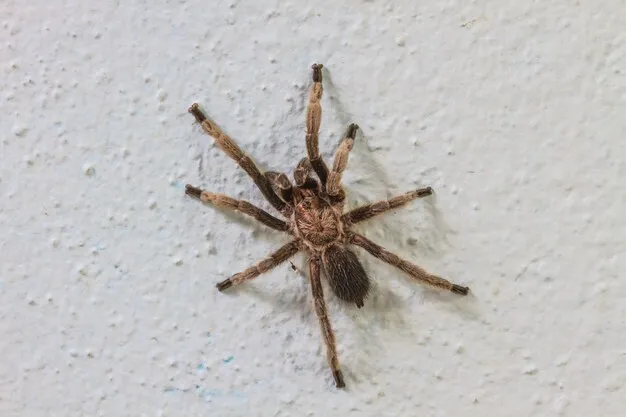
Tarantulas, with their imposing size and captivating presence, have always fascinated humans. These remarkable arachnids, often depicted in both fear-inducing and awe-inspiring contexts, offer a wealth of intriguing facts when examined closely. The close up perspective reveals details often missed at a distance, transforming our perception of these creatures. This article unveils 5 amazing facts about tarantulas, offering an in-depth look at their physical attributes, behaviors, and ecological roles. Prepare to be amazed by the intricate world of tarantulas.
5 Amazing Facts about Tarantulas Close Up
Tarantulas aren’t just large spiders they are a diverse group with fascinating attributes. Studying them closely unveils a world of complexity. From their impressive size to their unique hunting techniques and defensive mechanisms, tarantulas continue to captivate scientists and enthusiasts alike. The following facts will enhance appreciation for these creatures.
Appearance and Physical Characteristics
Size and Color Variations

One of the most striking aspects of tarantulas is their size. Depending on the species, they can range from relatively small, with a leg span of just a few inches, to impressively large, with leg spans exceeding 10 inches. The Goliath Birdeater, for instance, is one of the largest, weighing up to 6 ounces. Color variations among tarantulas are also highly diverse, with some species displaying vibrant hues of blue, orange, red, or yellow. Others have more muted tones of brown and black. These colors often serve as camouflage or warning signals.
Body Structure and Features
A closer look at a tarantula reveals intricate body structures designed for survival. Their bodies are divided into two main parts: the cephalothorax (fused head and thorax) and the abdomen. The cephalothorax houses the eyes, mouthparts, and legs, while the abdomen contains vital organs such as the heart and digestive system. Tarantulas have eight legs, each covered with sensory hairs that detect vibrations and help them navigate their environment. They also possess fangs, used for injecting venom into prey, and pedipalps, which serve as sensory organs and assist in manipulating food.
Habitat and Behavior
Natural Habitats of Tarantulas

Tarantulas inhabit a wide variety of environments, including tropical rainforests, grasslands, deserts, and even some temperate regions. They are found on nearly every continent except Antarctica. Their habitats often influence their physical characteristics and behaviors. For example, burrowing tarantulas are adapted to living underground, constructing elaborate tunnels, while arboreal species live in trees, utilizing their strong claws to climb and find shelter. The diversity of habitats showcases their adaptability.
Unique Hunting Techniques
Tarantulas are primarily ambush predators, meaning they wait for prey to come within striking distance. Their hunting techniques vary depending on the species and the environment. Some tarantulas actively pursue prey, while others lie in wait near their burrows or within their webs. They use their excellent sensory hairs to detect vibrations, indicating the presence of potential prey. When a target is identified, the tarantula will swiftly attack, injecting venom to immobilize or kill its victim. This venom also starts the digestive process outside the body.
Venom and Defense Mechanisms
The Potency of Tarantula Venom

Tarantula venom, while potent enough to subdue prey, is generally not considered highly dangerous to humans. The venom primarily contains enzymes that break down the tissues of the prey, making them easier to consume. When a human is bitten, the effects can range from mild pain and localized swelling to muscle cramps and nausea. Severe reactions are rare, and most people fully recover without medical intervention. However, it’s essential to seek medical attention if experiencing severe symptoms or if an allergic reaction is suspected.
Defense Strategies Against Predators
Tarantulas have developed various defense strategies to protect themselves from predators. One of the most notable is the use of urticating hairs. These tiny, irritating hairs are located on the tarantula’s abdomen. When threatened, the tarantula will flick these hairs towards the attacker. The hairs cause intense itching and irritation, deterring the predator. Tarantulas also employ defensive postures, such as rearing up and displaying their fangs, as a warning. Some species can also bite, although they generally prefer to flee or use their hairs first.
Lifespan and Reproduction
The Tarantula Life Cycle

Tarantulas have a fascinating life cycle, marked by growth, molting, and reproduction. They begin their lives as tiny spiderlings, gradually increasing in size through a process called molting. During molting, the tarantula sheds its exoskeleton, allowing it to grow larger. This process can occur several times throughout its life. The frequency of molting decreases as the tarantula matures. The lifespan of a tarantula varies, with females typically living much longer than males. Some females can live for over 20 years, while males often die shortly after reaching maturity.
Reproduction Habits
Reproduction in tarantulas is a complex process. Males use specialized pedipalps to transfer sperm to the female. Before mating, the male constructs a sperm web, depositing sperm onto it. He then picks up the sperm with his pedipalps. The female stores the sperm and uses it to fertilize her eggs, which she carries in an egg sac. The number of eggs varies depending on the species, but can range from a few hundred to over a thousand. After hatching, the spiderlings remain with the mother for a short period, eventually dispersing to live independently.
Tarantulas and Humans
Tarantulas as Pets

Tarantulas have become increasingly popular pets in recent years, with many people drawn to their unique appearance and relatively low-maintenance care requirements. Various species are commonly kept as pets, including the Chilean Rose Hair, the Mexican Red Knee, and the Pinktoe tarantula. Keeping a tarantula as a pet involves providing a suitable enclosure, maintaining appropriate temperature and humidity levels, and feeding the spider insects. While they are generally docile, handling should be done with caution, as tarantulas can bite if threatened.
Conservation Status of Tarantulas
While many tarantula species are abundant, others face threats from habitat loss, deforestation, and the pet trade. Conservation efforts are essential to protect vulnerable tarantula populations. These efforts include protecting their natural habitats, regulating the pet trade to prevent over-collection, and educating the public about the importance of these creatures. Supporting organizations dedicated to tarantula conservation is one way to contribute to their survival.
In conclusion, tarantulas are amazing creatures. Their unique characteristics, from their close up appearance to their intricate behaviors, make them a source of endless fascination. By understanding more about these arachnids, we can promote their conservation and appreciate their role in the ecosystem. Next time you encounter a close up picture of a tarantula, you’ll have a deeper understanding of the facts that make them so unique.