What is the Average Tarantula Cost?
The cost of owning a tarantula can vary significantly, making it essential to understand the different expenses involved before bringing one home. Overall, the initial cost of a tarantula can range from $10 to several hundred dollars, depending on the species, age, and origin of the spider. But the expenses don’t stop there. You must also factor in the cost of the enclosure, substrate, food, and other necessary supplies. This guide will break down all these costs, helping you make an informed decision about whether a tarantula is the right pet for you and your budget. Considering both upfront and ongoing costs is crucial for responsible tarantula ownership.
Factors Influencing Tarantula Prices
Several factors influence the price of a tarantula. These include the species, age, size, color, and even the availability of the spider. Some species are more common and, therefore, less expensive, while others are rarer and highly sought after by collectors, commanding much higher prices. Understanding these factors will help you navigate the market and find a tarantula that fits your budget and preferences.
Species of Tarantula
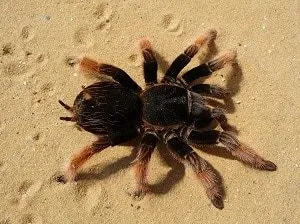
Different tarantula species have very different price points. For example, a common, readily available species like the Chilean rose hair tarantula might cost around $20 to $40, whereas a rare species, such as a certain type of Asian tarantula, could cost several hundred dollars or more. Researching the species you are interested in and comparing prices from different sources is essential. Always consider the species’ specific care requirements, as they can also influence the overall cost of ownership, including enclosure size, temperature, and humidity needs.
Size and Age of the Tarantula
The age and size of a tarantula also affect its price. Younger tarantulas, often called spiderlings, are typically less expensive than adult tarantulas. However, they are also more fragile and require more specialized care. Adult tarantulas are often more costly because they are more mature, established, and have already gone through several molts. The size of the tarantula can give you an idea of its age and will affect the size of the enclosure you will need to provide, influencing your overall setup costs. Remember, a tarantula’s lifespan can be quite long, so consider the long-term costs associated with an older, more established spider.
Color and Rarity of the Tarantula
The color and rarity of a tarantula can significantly impact its price. Some species have vibrant colors or unique patterns, making them highly desirable. Rarity, determined by factors like limited availability or difficulty in breeding, also drives up the price. If you’re interested in a particular color morph or a rare species, be prepared to pay a premium. Researching the specific characteristics of the species you want can help you understand whether the price aligns with its unique features and market demand.
Where to Buy a Tarantula

Where you purchase your tarantula can also impact the overall cost. Consider both the initial price of the spider and the associated costs of ensuring the spider is healthy and ethically sourced. Different vendors offer varying levels of expertise, customer support, and guarantees, all of which can influence the value you receive.
Local Pet Stores
Local pet stores are a convenient option for buying tarantulas, but prices can sometimes be higher than other sources. The advantage is you can see the tarantula in person and assess its health. However, ensure the store has knowledgeable staff who can provide care advice. Ask about the spider’s origin and health history. Compare prices with online retailers and breeders to ensure you’re getting a fair deal. Check the store’s reputation and any customer reviews before making a purchase. Make sure the enclosure is adequate, clean, and well-maintained.
Online Tarantula Retailers
Online retailers often offer a wider selection and competitive pricing. They can also provide detailed information about each tarantula species, including care guides. When purchasing online, carefully research the retailer’s reputation. Look for reviews and testimonials. Ensure the retailer offers a live arrival guarantee, meaning they’ll replace the tarantula if it arrives deceased. Check for proper packaging and shipping methods to minimize stress on the spider. Compare prices, shipping costs, and guarantees before making a decision. Verify the retailer’s experience and specialization in tarantula sales.
Tarantula Shows and Breeders

Tarantula shows and breeders are excellent sources, allowing you to buy directly from experts. You can often find rare species and get expert advice. Breeders typically have a deep understanding of their spiders and can provide detailed care information. Prices can be competitive. At shows, you can see multiple vendors and compare spiders. Ensure the breeder is reputable and practices ethical breeding methods. Ask about the spider’s lineage and health history. Be prepared to provide immediate or scheduled care for your new spider.
Initial Setup Costs for a Tarantula
Before bringing home a tarantula, you’ll need to invest in the initial setup. These costs vary based on the species and size of the tarantula, but here are some key components.
Enclosure and Habitat
The enclosure is the most significant initial expense. The size depends on the tarantula’s species and size. Terrestrial tarantulas need more floor space, while arboreal tarantulas need more vertical space. The enclosure should be made of glass or clear plastic. Ensure it has a secure lid and proper ventilation. Prices range from $20 to $100+ depending on the size and material. The enclosure must provide a safe and secure environment for your pet. Consider a heat source and humidity control tools if your environment isn’t ideal for your tarantula’s species.
Substrate and Decor

The substrate is the bedding material at the bottom of the enclosure, such as coconut fiber, peat moss, or vermiculite. The substrate helps maintain humidity and provides a burrowing environment. The cost is typically between $10 to $30, depending on the quantity and type. Decor includes hides, branches, and plants, which provide enrichment and shelter. These items can add to the cost, but they can be made or found in nature to reduce expenses. The appropriate substrate type is critical to the health of your spider, and the decor helps the tarantula feel safe.
Feeding and Watering Supplies
You’ll need supplies for feeding and watering your tarantula. This includes a shallow water dish and tweezers or tongs for feeding. The cost is relatively low, about $10 to $20. You’ll also need to buy food, such as crickets, mealworms, or roaches. The cost of food varies depending on the supplier and amount. It’s essential to provide fresh water and appropriately sized prey for your tarantula’s needs. Proper feeding and hydration are crucial for the tarantula’s health.
Ongoing Costs of Tarantula Care
Owning a tarantula involves ongoing costs beyond the initial setup. These expenses include food, veterinary care, and other potential needs. Planning for these recurring costs is essential to ensure you can provide the best care for your pet.
Food Costs

The cost of feeding your tarantula varies depending on its size, species, and feeding frequency. Spiderlings require smaller portions of food, which may be cheaper overall. Adult tarantulas need larger prey items and more frequent feeding. Live insects are a significant expense. Consider buying insects in bulk to save money. The cost is typically $10 to $30 per month for the average tarantula. Ensure you provide a balanced diet, varying the types of prey offered.
Veterinary Care
While tarantulas are generally low-maintenance pets, unforeseen health issues can arise. Finding a veterinarian specializing in exotic animals may be necessary. Veterinary care costs can vary. Routine checkups may not be common, but addressing a health problem requires professional care. Keep a small emergency fund. Prevention through proper care is vital to minimize vet bills. Research vets in your area beforehand to be prepared for any issues.
Additional Expenses
Additional expenses may include replacing supplies, upgrading the enclosure, and buying supplements. Some tarantula owners invest in specialized equipment for temperature and humidity control, especially if they live in a challenging climate. Consider travel costs if you move or need to transport your tarantula. Budgeting for these potential costs helps to ensure you can meet your tarantula’s needs throughout its life. These unexpected costs may happen, so it is always good to be prepared for them.
Saving Money on Tarantula Care

There are several ways to save money on tarantula care without compromising your pet’s well-being. Buying supplies in bulk, like substrate and food, can reduce costs. Making some of your decorations, rather than buying them, can also help. Sourcing food from local pet stores or breeders can sometimes be more economical. Research the lowest prices for the supplies you need and compare. By being smart with your purchases, you can make tarantula ownership more affordable. Focus on prioritizing your tarantula’s needs.
Owning a tarantula is a rewarding experience, but it requires careful planning and financial consideration. Understanding the costs involved, from the initial purchase to ongoing care, will help you provide a healthy and happy life for your eight-legged friend. By researching, comparing prices, and prioritizing your tarantula’s needs, you can enjoy the unique companionship of these fascinating creatures.