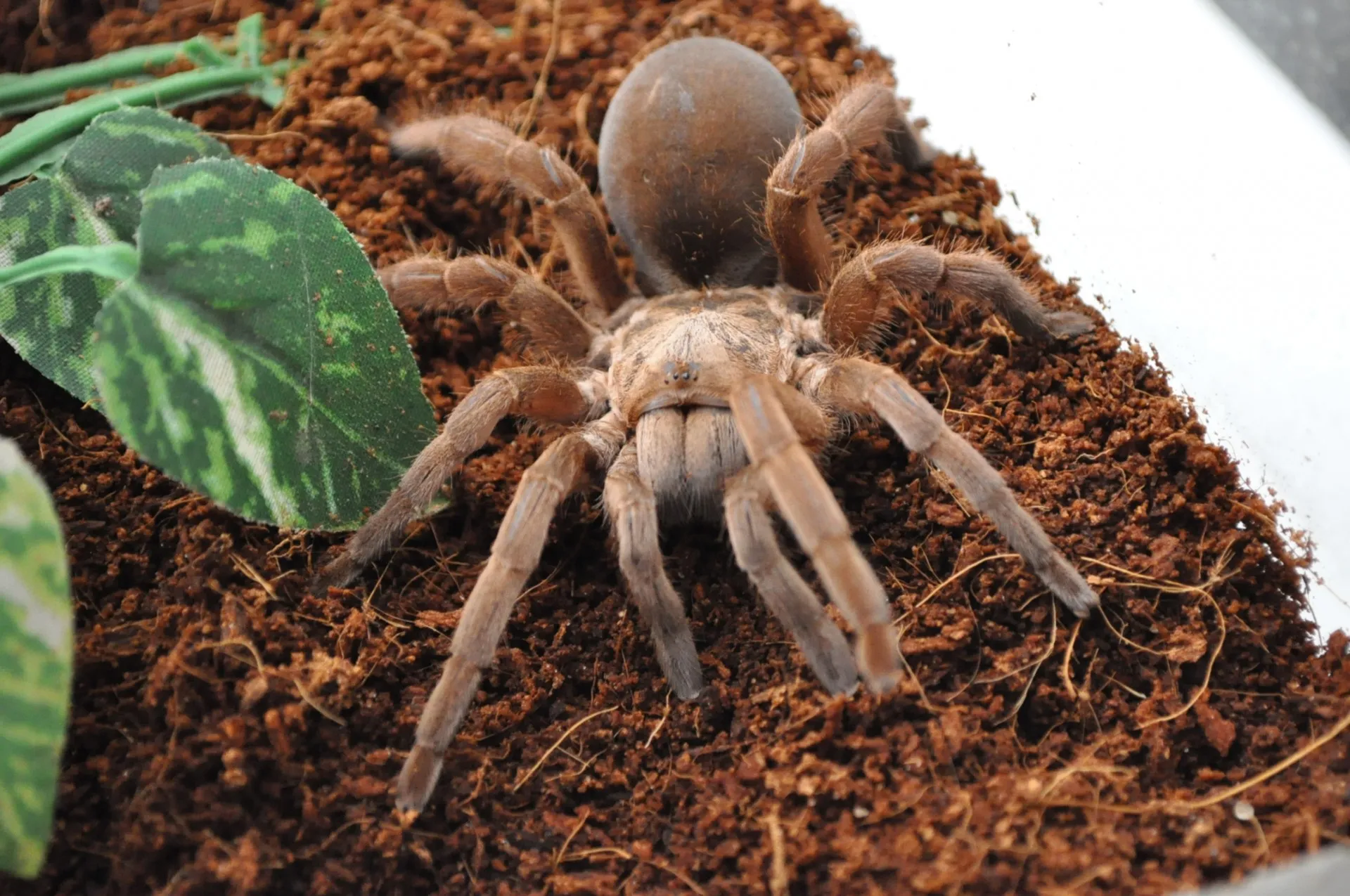
Bird-Eating Tarantulas: What They Are
Bird-eating tarantulas, despite their name, rarely consume birds in the wild. These impressive arachnids, belonging to several species within the Theraphosidae family, are some of the largest spiders on Earth. Native to tropical regions of the Americas, these giants can have leg spans exceeding 10 inches. Their imposing size, coupled with their unique feeding habits, makes them fascinating creatures for both enthusiasts and researchers. The term “bird-eating” originated from early explorers who witnessed these spiders consuming small birds, but their diet is far more diverse, encompassing insects, small mammals, and reptiles.
Understanding the Diet of Bird-Eating Tarantulas
Understanding the dietary needs of bird-eating tarantulas is crucial for their health and well-being in captivity. Their diet is primarily carnivorous, with a preference for live prey that matches their natural feeding behaviors. Protein is a vital component of their diet, essential for growth, molting, and overall vitality. A balanced diet ensures they receive all the necessary nutrients to thrive. Different species may have slight variations in their preferred foods, so researching the specific needs of your tarantula species is essential. Captive environments require providing a varied diet to replicate the natural diversity they would encounter in the wild.
The Natural Diet of Bird-Eating Tarantulas

In their natural habitats, bird-eating tarantulas are opportunistic feeders, consuming whatever prey they can overpower. This includes a wide range of insects, such as crickets, cockroaches, and beetles, which form the bulk of their diet. They also prey on small vertebrates like lizards, rodents, and occasionally, small birds, hence the name. The availability of food sources dictates their diet, which varies depending on the season and geographical location. They use their fangs to inject venom, which paralyzes and begins to digest the prey. The tarantula then uses its chelicerae to grind and consume the liquefied remains, absorbing essential nutrients for survival and growth. This natural diet provides the necessary nutrients and promotes healthy development.
How Bird-Eating Tarantulas Hunt and Eat
Bird-eating tarantulas are ambush predators, relying on stealth and speed to capture their meals. They typically lie in wait, hidden within their burrows or under cover, until an unsuspecting prey item ventures too close. Using their sensitive hairs, known as setae, they detect vibrations in the ground, alerting them to the presence of potential food. When prey comes within striking distance, they swiftly pounce, injecting venom through their fangs. The venom immobilizes the prey, and the tarantula begins the digestive process. They then secrete digestive enzymes onto the prey, breaking it down into a liquid form that can be easily consumed. This efficient hunting strategy allows them to conserve energy and maximize their chances of a successful hunt.
Feeding Bird-Eating Tarantulas in Captivity
Feeding bird-eating tarantulas in captivity requires a thoughtful approach to ensure their health and longevity. The primary goal is to replicate their natural diet as closely as possible, providing a variety of live prey items. The enclosure setup plays a crucial role in their feeding behavior. A proper enclosure offers hiding places and secure spots to enhance the tarantula’s comfort and encourage a healthy appetite. Regular feeding sessions are essential, but the frequency and quantity depend on the tarantula’s age, size, and species. Overfeeding can be detrimental to their health, so it’s essential to monitor their condition. Maintaining a clean and appropriate environment is critical to prevent health issues and promote natural behaviors. Always follow safety guidelines to avoid both tarantula and handler injuries.
Choosing the Right Prey for Your Tarantula
Selecting the appropriate prey for your bird-eating tarantula is crucial for its health. The size of the prey should correspond to the tarantula’s size, with the general rule being that the prey should be no larger than the tarantula’s body. Crickets, cockroaches, mealworms, and superworms are commonly used, easily sourced prey options. Before feeding, gut-load the prey with nutritious food, such as fruits, vegetables, and specialized insect feed. This enhances the nutritional value passed on to the tarantula. Avoid feeding wild-caught insects, as they may carry parasites or pesticides. Variety in the diet is equally important. Offer a mix of prey to ensure a balanced intake of nutrients. Introduce new food items gradually, while closely observing the tarantula’s acceptance and response to each new food source.
Preparing Food for Your Bird-Eating Tarantula
Properly preparing food for your bird-eating tarantula enhances the nutritional value and ensures their safety during feeding. Gut-loading the insects with high-quality food items before offering them to your tarantula is critical. This involves feeding the insects a nutritious diet, such as fresh fruits, vegetables, and specialized insect food, at least 24 hours before feeding. Gut-loading enriches the insects with essential vitamins and minerals that will be transferred to the tarantula. Clean the prey items, removing any debris or potential hazards, to reduce the risk of injury or infection. If you are feeding larger prey items, like small rodents or lizards, make sure they are properly handled and pre-killed to avoid any harm to your tarantula. Ensure the prey is of an appropriate size, as oversized prey can overwhelm or injure your tarantula. Following these practices enhances the nutritional value and promotes the health and well-being of the tarantula.
Feeding Frequency and Portion Sizes
Determining the correct feeding frequency and portion sizes is crucial for the health and well-being of your bird-eating tarantula. The feeding schedule depends on the spider’s age, size, and species. Spiderlings and juveniles, being in their growth phase, require more frequent feedings, typically every 3 to 7 days. Adult tarantulas can be fed less often, usually every 7 to 14 days or even longer. The appropriate portion size is generally determined by the size of the tarantula. The prey item should be roughly the size of the tarantula’s abdomen. Observe your tarantula’s eating habits. If the spider consistently refuses food, the feeding frequency should be adjusted. Overfeeding can lead to obesity and health problems, while underfeeding can stunt growth. Maintaining a balanced diet and adjusting the feeding schedule as needed are essential to ensure optimal health.
Setting Up the Feeding Environment

Creating the right feeding environment is important for the safety and well-being of your bird-eating tarantula. The enclosure should provide hiding places and secure spots where the tarantula feels safe. This reduces stress and encourages natural feeding behaviors. Remove any uneaten prey items within 24 hours to prevent potential injury to the tarantula or the buildup of harmful bacteria. Ensure the enclosure is clean and properly maintained to prevent the spread of disease. Maintain the appropriate temperature and humidity levels for your tarantula’s species. These factors influence the spider’s metabolism and appetite. A well-set-up feeding environment enhances the tarantula’s comfort and encourages a healthy appetite, contributing to the overall well-being and success of the feeding process.
Monitoring Your Tarantula’s Feeding Habits
Regularly monitoring your bird-eating tarantula’s feeding habits is essential for identifying any health issues or behavioral changes. Keep track of how often your tarantula eats and the types of prey it consumes. This monitoring can help you detect potential problems early on. Observe your tarantula’s body condition. A healthy tarantula should have a plump abdomen, indicating it is well-fed. A shrunken abdomen may indicate that the tarantula is not eating enough. Watch for any changes in behavior, such as a decreased appetite or a refusal to eat. This could indicate illness or stress. Also, check for signs of molting, as tarantulas often stop eating before molting. By closely monitoring your tarantula’s feeding habits, you can ensure it receives the necessary nutrition and quickly address any health concerns.
Potential Feeding Challenges and Solutions
Several challenges can arise during the feeding process of bird-eating tarantulas, and understanding these challenges and their solutions is vital. One common issue is a refusal to eat, which could be due to stress, molting, or environmental changes. If your tarantula stops eating, assess the enclosure’s temperature, humidity, and hiding places. Ensure all parameters are within the optimal range for the species. Another challenge is dealing with prey that are too large or aggressive. Always choose prey appropriate for the tarantula’s size to prevent injury. If your tarantula is struggling with large prey, offer smaller, easier-to-manage food items. Monitoring and addressing these challenges ensures your tarantula receives the necessary nutrition and remains healthy and active.
Dealing with Refusal to Eat

Dealing with a bird-eating tarantula that refuses to eat can be concerning, but it’s often manageable by understanding the potential causes and taking appropriate actions. One of the most common reasons is the approaching molt. Tarantulas often stop eating a few weeks before molting, so check for signs like a darkening abdomen or a change in behavior. Stress from a new environment or inadequate enclosure conditions can also affect appetite. Ensure the enclosure is secure, with proper temperature and humidity levels. Try offering different types of prey. If the tarantula usually eats crickets, try a mealworm or cockroach. Monitor the tarantula closely for any other symptoms of illness or distress. If the refusal persists for an extended period, or if you notice other signs of illness, it’s best to consult with a veterinarian experienced in exotic pets.
Ensuring Proper Hydration During Feeding
Proper hydration is critical for the health and well-being of bird-eating tarantulas, especially during feeding. Tarantulas obtain hydration from their food and by drinking water. Providing a shallow water dish with fresh, clean water is essential, especially for species that prefer drier environments. Regularly check and refill the water dish to ensure it remains accessible. Increase humidity levels in the enclosure appropriately. Misting the enclosure lightly can help maintain the necessary humidity levels, particularly during molting. Monitor the tarantula for signs of dehydration, such as a wrinkled or sunken abdomen. Adjusting the humidity and ensuring access to fresh water will ensure the spider’s health and vitality. Remember that hydration is essential for digestion and overall health, especially when the spider is actively feeding and digesting prey.
Feeding Safety for Bird-Eating Tarantulas
Ensuring the safety of both the tarantula and the handler is paramount when feeding bird-eating tarantulas. Always use tongs or long feeding tweezers to offer prey. This prevents the tarantula from accidentally biting you. Be cautious when handling live prey, as they can sometimes injure or stress the tarantula. Use appropriately sized prey to minimize risk. Ensure the enclosure is secure and escape-proof. Bird-eating tarantulas can be fast, and an escaped spider can be a hazard. Wash your hands thoroughly before and after handling the tarantula or its food. This minimizes the risk of contamination. By following these safety precautions, you can create a safe and positive feeding experience for both the tarantula and yourself.
Handling Live Prey Safely

Handling live prey safely is essential for protecting both the tarantula and yourself during feeding. Use tongs or tweezers to offer the prey to the tarantula, keeping your hands away from the spider’s reach. This minimizes the risk of bites. If the prey is large or aggressive, pre-kill it to prevent any potential harm to the tarantula. Handle the prey carefully to prevent it from escaping inside the enclosure. Ensure the prey is appropriately sized to avoid overwhelming the tarantula. Monitor the tarantula during feeding to ensure it successfully captures and consumes the prey. By following these safety guidelines, you can create a stress-free and safe feeding process.
Preventing Escapes and Bites
Preventing escapes and bites is crucial when handling bird-eating tarantulas. Ensure the enclosure has a secure, tight-fitting lid to prevent escapes. Regularly inspect the enclosure for any cracks or gaps. Be cautious when opening the enclosure for feeding or cleaning, as tarantulas are quick to seize an opportunity. Always use tongs or long feeding tweezers to place food inside, keeping your hands away. Never put your hands directly into the enclosure. Be aware of the spider’s movements and behavior. If a tarantula seems agitated or defensive, it may be best to postpone the interaction. Handle the tarantula only when necessary, and never without proper preparation and awareness. By taking these preventative measures, you can keep both yourself and your tarantula safe and secure.
Common Mistakes to Avoid When Feeding
Avoiding common mistakes ensures your bird-eating tarantula receives the best care possible. Overfeeding is a frequent error. Stick to a feeding schedule and monitor the tarantula’s body condition. Always use prey of appropriate size. Avoid feeding prey that are too large. Also, do not feed wild-caught insects. They may carry parasites or be exposed to pesticides, harming your tarantula. Don’t neglect proper enclosure maintenance. Clean the enclosure regularly to remove uneaten food and prevent the buildup of waste. Neglecting hydration is also a mistake. Provide a constant supply of fresh water. Never handle the tarantula without proper safety precautions. By learning and avoiding these common mistakes, you can create a healthy and safe environment for your tarantula.
Overfeeding and Underfeeding

Balancing feeding is vital to your bird-eating tarantula’s health and well-being. Overfeeding can lead to obesity, which strains their organs, shortens lifespan, and reduces their ability to molt successfully. Signs of overfeeding include a very plump abdomen and sluggish behavior. Underfeeding, however, stunts growth, weakens the spider, and makes it vulnerable to disease. Signs include a shrunken abdomen and lethargy. The appropriate feeding frequency varies depending on the species, age, and size of the tarantula. Maintain a consistent feeding schedule based on these factors. Regularly observe the tarantula’s behavior and body condition. Adjust feeding frequency to ensure the spider remains healthy. The aim is to find a balance to meet the nutritional needs of the tarantula, promoting healthy growth and a long life.
Maintaining Optimal Health Through Feeding
Maintaining optimal health in your bird-eating tarantula is heavily influenced by proper feeding practices. Providing a varied diet of appropriately sized prey ensures your tarantula receives all the essential nutrients for growth, molting, and overall vitality. Choose live prey. Gut-load the prey to increase their nutritional value. Provide fresh water. Maintain the proper temperature and humidity levels in the enclosure. Regular monitoring of your tarantula’s behavior and body condition can help you detect any health issues early. By following these guidelines, you can provide a stimulating and healthy environment for your bird-eating tarantula. Feeding is an essential factor in their overall well-being and longevity. Careful and attentive feeding practices are critical for maintaining the spider’s health and ensuring a happy life.