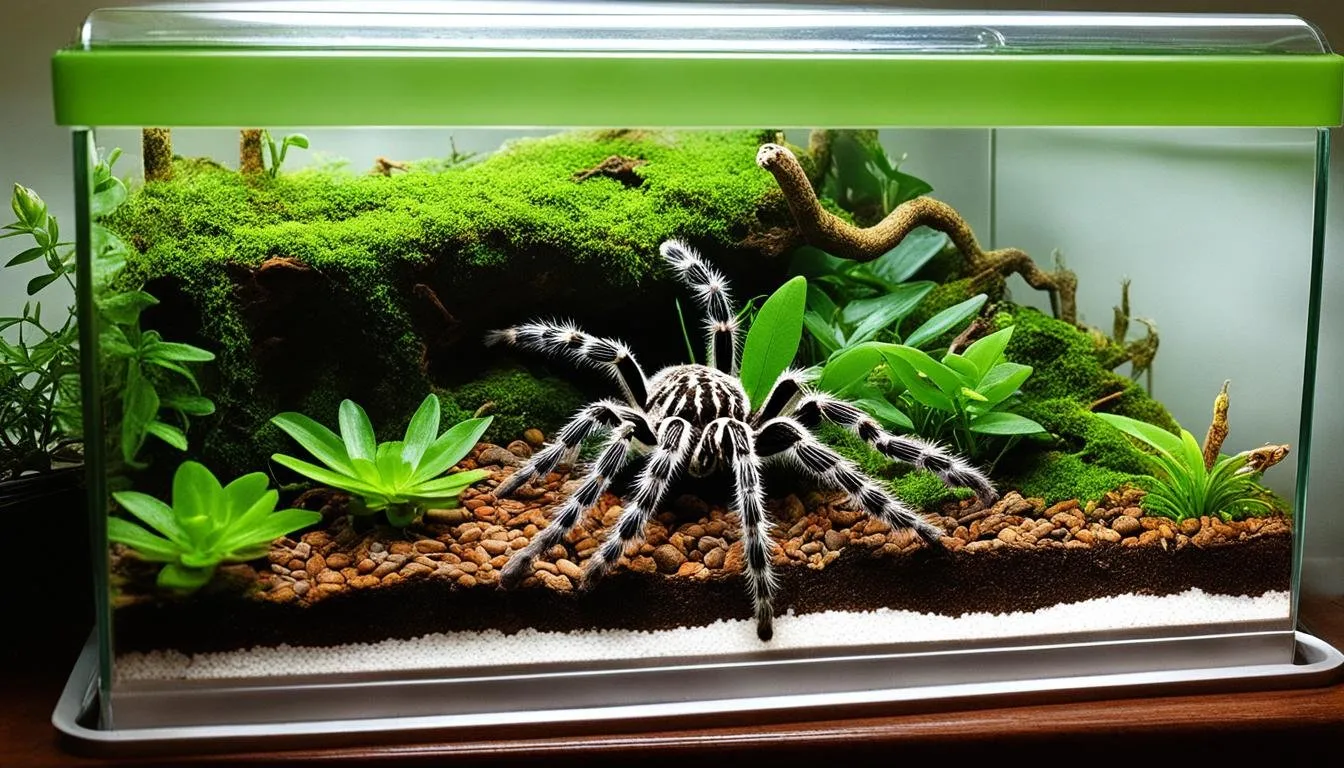
Understanding the Threat Ants in Tarantula Enclosures
Keeping a tarantula is a rewarding experience, but it also comes with responsibilities. One of the most common and frustrating challenges tarantula keepers face is the intrusion of ants into their enclosures. Ants can pose a significant threat to your tarantula’s health and well-being, making it crucial to understand the risks and take proactive measures to prevent an infestation. Ants are opportunistic scavengers, drawn to the food sources and moist environments often found in tarantula enclosures. Their presence can lead to several problems, including stress for your tarantula, the potential for bites, and the introduction of diseases or parasites. Therefore, understanding the threat is the first step towards protecting your prized pet. Early detection and a swift response are key to preventing a minor inconvenience from escalating into a serious problem that could jeopardize the tarantula’s health.
Identifying Ant Species Common in Enclosures
Identifying the specific ant species invading your tarantula’s enclosure is vital for effective control. Different ant species have different behaviors and preferences, which can influence the best methods for elimination. Common ant species found in tarantula enclosures include small, sugar-feeding ants like pharaoh ants, which are notoriously difficult to eradicate. Other common invaders are odorous house ants, known for their distinctive smell when crushed, and pavement ants, which often nest in the soil and can be quite persistent. Observing the ants’ size, color, behavior (such as foraging patterns), and nesting habits can provide clues to their identity. You might need a magnifying glass to observe the ants closely. If identification is difficult, you can collect a sample and consult with a pest control specialist or entomologist for accurate identification, which is the first step towards selecting the appropriate treatment and preventing future infestations. Understanding the specific species helps in selecting the most effective prevention and eradication techniques.
Signs of an Ant Infestation in Your Tarantula Habitat

Recognizing the signs of an ant infestation early is essential for preventing significant damage to your tarantula’s health and habitat. The most obvious sign is the presence of live ants, either foraging for food or establishing nests within the enclosure. You might see them scurrying around the substrate, climbing the enclosure walls, or even attempting to access your tarantula’s food or water dish. Other indicators include small trails of ants leading to or from the enclosure, tiny piles of ant debris (such as discarded exoskeletons), and unusual behavior in your tarantula. A stressed tarantula may hide more often, refuse food, or exhibit defensive postures more frequently. Inspecting the enclosure regularly, especially around food and water sources, can help you catch an infestation early. If you see ants, it’s crucial to act quickly to prevent them from establishing a colony and causing further harm. Early intervention is key to minimizing the impact on your tarantula.
Preventive Measures for a Pest-Free Tarantula Enclosure
Preventing ants from entering your tarantula’s enclosure is far easier than dealing with an infestation. Prevention involves a multi-faceted approach, combining habitat management, barrier methods, and vigilant monitoring. This proactive approach will significantly reduce the risk of ants invading the enclosure. By implementing these measures consistently, you can create a pest-resistant environment and protect your tarantula from the stress and potential harm of an ant infestation. Regular inspections and prompt action are your best defense. By keeping a clean and well-maintained habitat, you create an environment that is less attractive to ants and other pests.
Selecting the Right Substrate and Its Role
The choice of substrate for your tarantula enclosure plays a crucial role in ant prevention. Certain substrates are more prone to attracting ants than others. Avoid substrates that retain moisture excessively or contain organic matter that can decompose and attract pests. Excellent substrate choices include those that offer good drainage and do not readily support ant colonies. Consider using a substrate mix that includes a base layer of vermiculite or perlite for drainage, topped with a layer of clean, inert materials like coconut fiber or a commercially available tarantula substrate mix. Regular monitoring of the substrate’s moisture level is essential, as excessive humidity can create a favorable environment for ant nesting. Replacing the substrate periodically and promptly removing any uneaten food items also helps to discourage ant activity.
Proper Ventilation and Humidity Control

Maintaining proper ventilation and humidity levels within the tarantula enclosure is critical for both your tarantula’s health and ant prevention. Poor ventilation and high humidity create an ideal environment for ant colonies to thrive. Ensure adequate airflow by providing ventilation holes or mesh on the sides and top of the enclosure. Monitor humidity levels using a hygrometer and adjust ventilation and misting accordingly. Aim to keep humidity within the range recommended for your tarantula species; too much or too little humidity can stress your tarantula and create problems. Regular ventilation helps to remove excess moisture and stale air, reducing the attractiveness of the enclosure to ants. Proper ventilation also prevents the growth of mold and mildew, which can further attract pests. A well-ventilated and properly humidified enclosure will help your tarantula thrive, while simultaneously discouraging ant activity.
Regular Cleaning and Maintenance Schedule
A consistent cleaning and maintenance schedule is essential for keeping your tarantula’s enclosure ant-free. Regularly remove uneaten food, molted exoskeletons, and any other organic debris, as these items can attract ants. Spot clean the enclosure at least once a week, removing any waste or soiled substrate. Perform a full substrate change every few months, depending on the size of the enclosure and the tarantula’s habits. Thoroughly clean and disinfect the enclosure during each substrate change, paying special attention to corners and crevices where ants might hide. Use a mild disinfectant safe for use around pets, following the manufacturer’s instructions carefully. A clean enclosure is less attractive to ants and also promotes your tarantula’s overall health. A proactive cleaning routine is one of the most effective methods for preventing ant infestations.
Effective Barrier Methods to Keep Ants Out
Implementing barrier methods is a highly effective strategy for preventing ants from entering your tarantula’s enclosure. These methods create a physical barrier that ants cannot cross, denying them access to the habitat. There are several barrier options available, ranging from simple solutions to more advanced techniques. By using these methods in conjunction with other preventative measures, you can significantly reduce the risk of an ant infestation. Regular inspections of your barriers will ensure they remain effective and intact, providing continuous protection for your tarantula.
Using Sticky Barriers and Traps Strategically

Sticky barriers, such as double-sided tape or commercially available ant barrier products, can be used to create a physical barrier around the enclosure. Apply the tape around the perimeter of the enclosure, ensuring it adheres securely to the surface. Position the enclosure on a smooth surface, such as a table or shelf, to make the barrier more effective. Ants that attempt to climb the enclosure will get stuck on the sticky surface. Consider using ant traps strategically placed around the enclosure to attract and eliminate any ants that may be in the vicinity. Choose ant traps that are safe for use around pets and follow the manufacturer’s instructions. Regular monitoring of the sticky barriers and traps and prompt replacement when necessary, ensures optimal protection for your tarantula. This method is a simple and effective way to prevent ants from invading the enclosure.
Creating a Water Moat Around the Enclosure
A water moat provides an effective, non-toxic barrier against ants. Construct a moat by placing the tarantula enclosure inside a larger container filled with water. Ensure that the enclosure’s legs or base are fully submerged in the water. Ants cannot swim, so this barrier will prevent them from reaching the enclosure. Regularly monitor the water level in the moat and replenish it as needed, as water can evaporate over time. Add a small amount of dish soap to the water, which can reduce the surface tension, making it more difficult for ants to walk on the surface of the water. This method is a safe and environmentally friendly way to keep ants away from your tarantula. Check the moat regularly for debris and clean it as needed to maintain its effectiveness. By using a water moat, you create a reliable barrier that does not pose any risk to your tarantula’s health.
Safe Insecticides and Treatments
While prevention is the best approach, sometimes an ant infestation requires the use of insecticides or other treatments. It is crucial to prioritize the safety of your tarantula when selecting and applying any pest control product. Choosing safe and effective treatments requires careful consideration of the potential risks and benefits. Always consult with a pest control expert or veterinarian specializing in exotic pets for guidance and recommendations. By following the proper guidelines, you can eliminate the ants while protecting your tarantula.
Choosing Anticides Safe for Tarantulas

When choosing anticides, select products specifically designed for use around pets and that are labeled as safe for use in enclosed areas. Avoid using general-purpose insecticides, which may contain chemicals that are toxic to tarantulas. Look for ant baits or gels that contain active ingredients like boric acid or fipronil, which are generally considered less harmful to tarantulas when used as directed. Before using any insecticide, read the label carefully and follow the manufacturer’s instructions precisely. Consider consulting with a veterinarian or an experienced tarantula keeper for recommendations on safe and effective products. Always prioritize the safety of your pet when dealing with any pest control issues.
Application Techniques and Safety Precautions
When applying anticides, always take precautions to minimize the risk of exposure to your tarantula. Remove the tarantula from the enclosure during treatment and ensure the enclosure is well-ventilated before returning the tarantula to its habitat. Apply ant baits or gels in areas inaccessible to the tarantula, such as around the perimeter of the enclosure or in cracks and crevices. Avoid spraying insecticides directly on the substrate or inside the enclosure, as this could contaminate the tarantula’s environment. After treatment, carefully monitor the enclosure for any signs of ant activity and reapply the treatment as needed, following the product’s instructions. Always wash your hands thoroughly after handling insecticides and keep them out of reach of children and pets. By following safe application techniques and taking necessary precautions, you can effectively eliminate ants while safeguarding your tarantula’s health.
What to Do If You Have an Infestation
Even with the best preventative measures, ant infestations can sometimes occur. If you discover ants in your tarantula’s enclosure, it is essential to take swift and decisive action to eliminate the problem and protect your pet. The steps you take will depend on the severity of the infestation, but immediate response is critical. By following the correct procedures, you can eradicate the ants and prevent future infestations. Early intervention is important to prevent a minor issue from escalating into a significant problem that could endanger your tarantula.
Isolating the Affected Tarantula

The first step is to isolate the affected tarantula in a temporary, ant-free enclosure. This will protect the tarantula from further bites or stress and prevent the ants from spreading to other enclosures if you have multiple tarantulas. Use a clean, empty container with a secure lid for the temporary housing. Ensure the container is properly ventilated and provides a suitable environment for your tarantula’s needs. Transfer the tarantula gently, minimizing any stress. Provide the tarantula with a small water dish and a hiding place, such as a piece of cork bark. Keep the temporary enclosure clean and monitor the tarantula closely for any signs of stress or illness. This isolation allows you to address the ant infestation in the original enclosure without endangering your tarantula.
Deep Cleaning and Disinfection Procedures
Once the tarantula is safely isolated, thoroughly clean and disinfect the infested enclosure. Remove all substrate, decorations, and any other items from the enclosure. Discard the substrate and thoroughly clean the enclosure with a mild disinfectant safe for use around pets. Pay special attention to corners, cracks, and crevices where ants might be hiding. Rinse the enclosure thoroughly with clean water to remove any disinfectant residue. Allow the enclosure to dry completely before replacing the substrate and decorations. Reintroduce the tarantula only after the enclosure is completely dry and free of any chemical residues. Performing a thorough cleaning and disinfection is essential to eliminate the ants and any potential ant trails or nests within the enclosure. By following these procedures, you can ensure the enclosure is safe and ready for your tarantula’s return.
Monitoring and Preventing Reinfestation
After eliminating an ant infestation, ongoing monitoring and preventive measures are crucial to avoid reinfestation. Regularly inspect your tarantula’s enclosure for any signs of ant activity, such as the presence of live ants or ant trails. Continue to implement the preventive measures discussed earlier, including using barrier methods, maintaining a clean and dry environment, and promptly removing uneaten food. Consider using ant traps or baits strategically placed around the enclosure to eliminate any lingering ants. Be vigilant and take immediate action at the first sign of ant activity. Maintaining a proactive approach to ant prevention is critical for ensuring the long-term health and well-being of your tarantula. By staying vigilant, you can prevent future infestations and keep your tarantula’s habitat ant-free. Also, consider changing the location of the enclosure if ants are a recurring problem, as the source might be near.