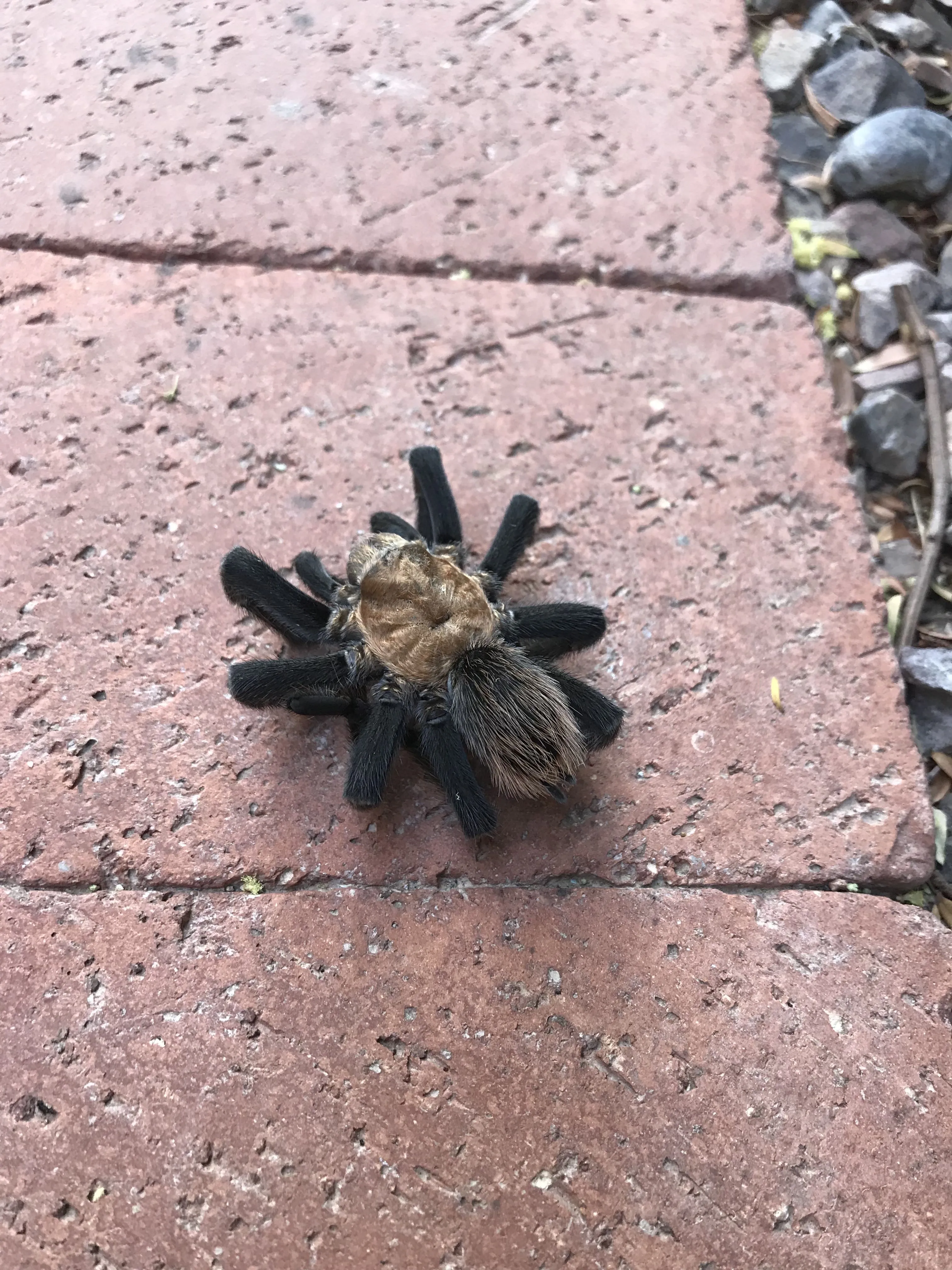
Understanding Tarantula Behavior
Encountering a tarantula can be a surprising experience. Understanding their behavior is key to staying safe. Tarantulas, despite their intimidating size and appearance, are generally not aggressive. They are more likely to flee than to attack. However, like any wild animal, they will defend themselves if they feel threatened. Understanding their natural instincts and habits will help you approach any encounter with caution and respect. These spiders are solitary creatures, and the only reason you might see them together is during mating season or if they are young and just hatched from the same egg sac. They are also primarily nocturnal, meaning they are most active at night, which increases the chance of an encounter in the dark.
Tarantula Habitat and Habits
Tarantulas can be found in various habitats, including grasslands, deserts, and forests. Their habits depend on the species, but generally, they live in burrows or under rocks, logs, and other sheltered areas. Some species are terrestrial, while others are arboreal, living in trees. Knowing the typical habitat of tarantulas in your area can help you anticipate where you might encounter them. Their diet consists mainly of insects, but they can also feed on small animals like lizards and rodents. They are ambush predators, meaning they wait for their prey to come within striking distance. Understanding their environment and behavior is key to avoiding unnecessary interactions.
What to do if you see a tarantula

If you happen to cross paths with a tarantula, it’s important to remain calm and act responsibly. Panic can lead to hasty actions that might put you or the spider in danger. Your primary goal should be to avoid provoking the tarantula and to give it space to move away. Remember that tarantulas are usually more afraid of you than you are of them. Maintaining a safe distance and avoiding any sudden movements is the best way to handle the situation. Observe the spider’s behavior to gauge its mood and react accordingly. Remember, a tarantula bite, while potentially painful, is rarely life-threatening to humans, but the risk is still there and you should take precautions.
Stay Calm and Observe
The first and most important step is to stay calm. Avoid screaming, running, or making any sudden movements. These actions can be perceived as threats by the tarantula, triggering a defensive response. Instead, take a moment to assess the situation and observe the spider’s behavior. Is it showing signs of aggression, such as raising its front legs or exposing its fangs? Or is it trying to move away? Staying calm allows you to make rational decisions and respond in a way that minimizes risk.
Maintain Distance
Keep a safe distance from the tarantula. Do not attempt to approach, touch, or handle it. The distance needed will vary depending on the size and species of the tarantula and how threatened it feels. A general guideline is to maintain at least 3-6 feet of space. This allows the tarantula to feel less threatened and gives you enough room to react if the spider moves suddenly. Use the distance to observe the spider without interfering with its movement. This is the most important thing you can do to avoid a negative interaction.
Avoid Sudden Movements

Tarantulas, like many animals, can be startled by sudden movements. Avoid making any quick gestures, running, or making loud noises. Move slowly and deliberately if you need to change your position. If you are with others, advise them to do the same. Be aware of your surroundings and avoid stepping or stumbling on the spider. Any abrupt movements can be interpreted as a threat, potentially leading the tarantula to defend itself. By moving slowly and calmly, you reduce the likelihood of provoking a negative reaction.
Safety Measures to Take
While tarantulas are not typically aggressive, it’s essential to take safety measures when in areas where they are known to live. These measures involve protecting yourself from bites and understanding what to do if bitten. Being proactive and prepared can help minimize the risks associated with a tarantula encounter.
Protecting Yourself from Bites
The best way to protect yourself is to avoid contact with tarantulas. Do not attempt to handle or provoke them. When working or walking in areas known to have tarantulas, wear appropriate clothing. This includes long sleeves, long pants, and closed-toe shoes. Avoid reaching into dark places, such as under rocks or logs, where tarantulas might be hiding. Use a flashlight or other light source to illuminate your path and surroundings. Never put your hands or feet in a place you cannot see. This advice will help reduce the chances of a tarantula bite.
First Aid for Tarantula Bites

If you are bitten by a tarantula, remain calm. While the bite is painful, the venom is generally not considered lethal to humans. Clean the wound thoroughly with soap and water. Apply a cold compress to reduce pain and swelling. Elevate the affected limb to help minimize swelling. Monitor the bite site for signs of infection, such as increased redness, swelling, or pus. Avoid scratching the bite, as this can increase the risk of infection. Get medical attention if you experience any severe symptoms.
When to Seek Medical Attention
In most cases, a tarantula bite will only cause localized pain and swelling. However, you should seek medical attention if you experience any of the following symptoms: difficulty breathing, severe allergic reaction (hives, swelling of the face or throat), excessive bleeding, or signs of infection. If you are unsure about the severity of your symptoms, it’s always best to consult with a healthcare professional. They can provide appropriate treatment and advice. Bring the tarantula, dead or alive, if you can safely do so, to help with identification and treatment.
Preventing Tarantula Encounters
Preventing tarantula encounters is often the best approach. This involves making your home and outdoor spaces less appealing to tarantulas and taking precautions in areas where they are known to live. By taking these steps, you can reduce the likelihood of encountering these arachnids.
Making your Home Less Appealing

Tarantulas are attracted to environments that provide shelter and a food source. To deter them from your home, eliminate potential hiding places. Seal cracks and crevices in your foundation, walls, and around windows and doors. Reduce clutter in your home and yard. Keep your yard clean by removing piles of wood, leaves, and other debris. Regularly inspect your home for signs of tarantula activity, such as shed exoskeletons or webs. Control the insects and other pests that serve as their food source. By removing these attractants, you make your home less attractive to tarantulas and other pests.
Outdoor Precautions
When spending time outdoors, particularly in areas where tarantulas are known to be present, take some precautions. Wear protective clothing, such as long sleeves, long pants, and closed-toe shoes. Be mindful of your surroundings when gardening, hiking, or working outdoors. Avoid placing your hands or feet in areas you cannot see. Use a flashlight when walking at night. Keep your yard well-maintained by mowing the lawn, trimming bushes, and removing debris. By taking these steps, you reduce the chances of an accidental encounter.
Identifying Tarantulas in Your Area
Knowing the tarantula species that live in your area can help you understand their behavior and take appropriate safety measures. Learning to identify the species can also satisfy your curiosity about these fascinating creatures. Identifying the specific types of tarantulas will enable you to appreciate them without the added anxiety of the unknown. You can often find this information by searching online or contacting a local pest control expert or wildlife organization.
Common Tarantula Species

Many different species of tarantulas exist, and the ones you might encounter depend on your geographical location. Some of the most common species in North America include the Texas brown tarantula, the desert blonde tarantula, and the California tarantula. These spiders vary in size, color, and behavior. The Texas brown tarantula is known for its relatively docile nature, while others may be more defensive. Research the tarantula species in your area and learn about their specific characteristics.
Characteristics to Look For
When identifying a tarantula, observe several key characteristics. Pay attention to the spider’s size, color, and overall appearance. Note the presence of hairs, their density, and color. Look at the shape and size of the legs, as well as any markings. While you shouldn’t get too close, use these general characteristics to help determine the species. Consulting a field guide or a reliable online resource with photos can also be helpful. Understanding these characteristics can help you safely identify a tarantula.
Encountering a tarantula can be a memorable experience. By understanding their behavior, taking safety measures, and preventing encounters, you can appreciate these fascinating creatures while minimizing any risks. Always prioritize your safety and treat tarantulas with respect and caution. With the right knowledge, you can navigate the world of tarantulas safely and confidently.