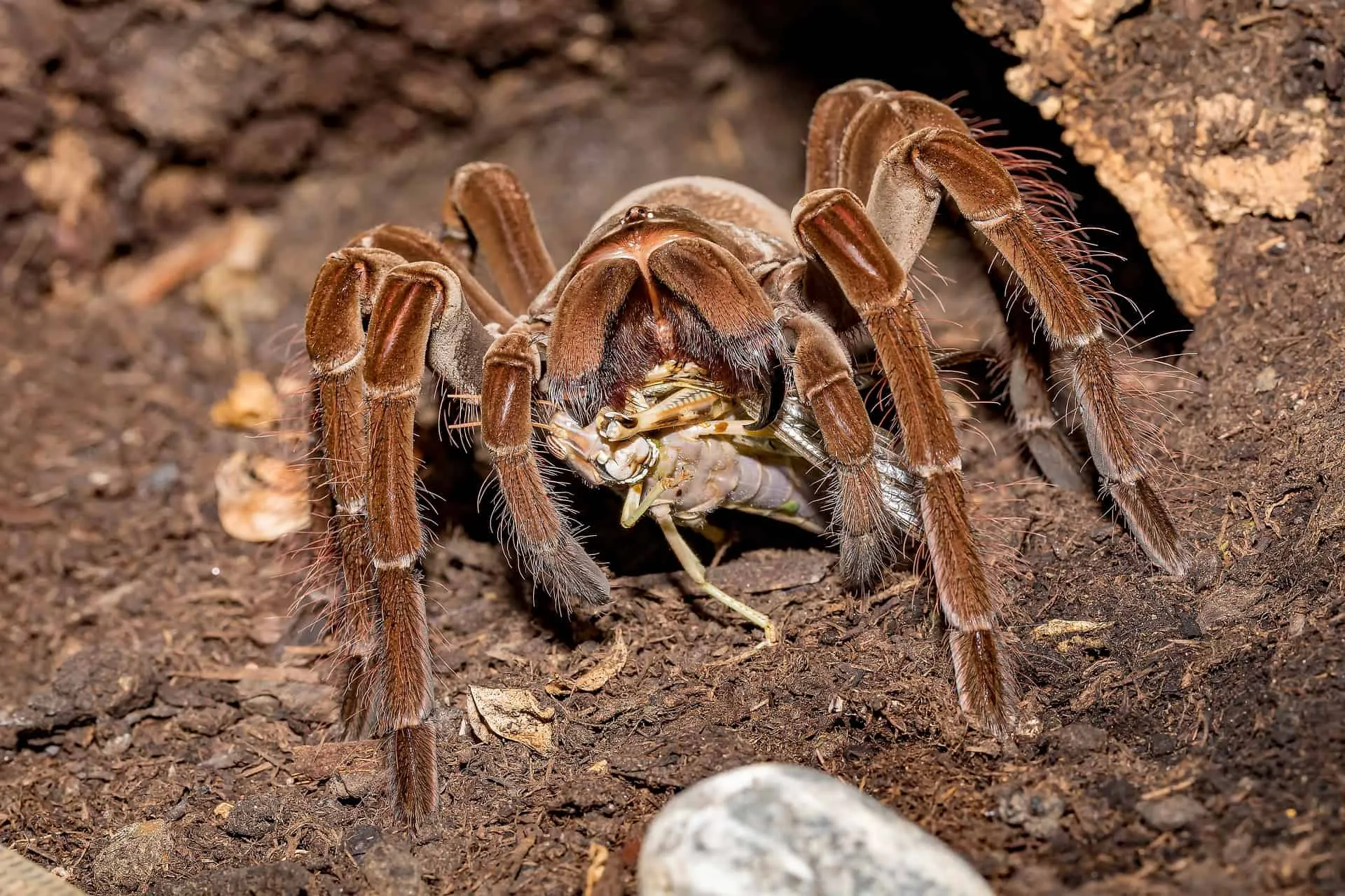
Creating the perfect tarantula environment is crucial for the health, happiness, and longevity of your eight-legged friend. A well-designed habitat replicates their natural surroundings, providing them with the necessary elements to thrive. From enclosure size and substrate selection to humidity and temperature control, every aspect of the tarantula environment plays a vital role. This comprehensive guide will walk you through the essential steps to create a perfect habitat for your tarantula, ensuring it lives a long and fulfilling life in your care. This will help to understand what you will need to know to create the perfect tarantula environment for your pet.
Choosing the Right Tarantula Environment
The first step in creating a perfect tarantula environment is selecting the right enclosure. The size and type of enclosure directly impact your tarantula’s well-being. An appropriately sized enclosure offers enough space for the tarantula to move, hunt, and exhibit natural behaviors, while also allowing for proper temperature and humidity regulation. Choosing the wrong one can lead to stress, health problems, and even premature death. Consider the species of tarantula you have, as some require more space than others. Also, consider how much the tarantula will grow. You will also need to consider the type of enclosure that is best for your pet. This will depend on the species as well as your personal preferences.
Selecting the Appropriate Enclosure Size
Enclosure size is a critical factor. The general rule is to provide an enclosure that is at least twice the tarantula’s leg span in width and length. For terrestrial species, the height doesn’t need to be excessive, but for arboreal species, height is essential for climbing. Overly large enclosures can sometimes make it harder for the tarantula to find food, while enclosures that are too small can restrict movement and lead to stress. Be sure to do your research and determine how large your tarantula is expected to get, as well as how old it is, and choose an enclosure size accordingly. This will help ensure that your pet has a happy and comfortable life.
Factors to Consider

Several factors influence enclosure choice. The tarantula’s species, size, and whether it’s terrestrial or arboreal are key considerations. Transparency of the enclosure is important for viewing and monitoring your tarantula, with glass or clear plastic being the preferred materials. Ventilation is crucial for air circulation and to prevent mold growth. A secure lid is an absolute must to prevent escapes, and one that allows for easy access for feeding and maintenance. Furthermore, the material of the enclosure needs to be non-toxic and safe for your tarantula. These considerations will ensure that the enclosure is not only suitable for your tarantula’s physical needs but also safe and easy for you to maintain.
Substrate Selection Best Practices
The substrate serves as the foundation of the tarantula environment, providing a surface for the tarantula to walk on, burrow in, and sometimes hide within. It also helps to maintain humidity levels, which are vital for the tarantula’s health. A good substrate should be absorbent, non-toxic, and able to retain moisture without encouraging mold growth. Avoid substrates that are dusty, as these can irritate the tarantula’s respiratory system. The type of substrate you select will also depend on the species of tarantula you own. Some species prefer drier environments while others need higher humidity levels.
Types of Substrate
Popular substrate choices include coconut fiber (coir), peat moss, and a mix of these with vermiculite or sphagnum moss. Coconut fiber is a readily available and excellent choice, offering good moisture retention and a natural look. Peat moss is another good option, but it can be a bit acidic, so it’s often mixed with other substrates. Vermiculite and sphagnum moss can be added to increase humidity levels. Avoid substrates like cedar shavings or pine, as these can be toxic to tarantulas. Always make sure the substrate is clean and free of any pesticides or chemicals. For arboreal species, you may need to provide a thicker layer to allow for burrowing or anchoring.
Maintaining Proper Humidity Levels

Humidity is a critical environmental factor, especially for molting. Low humidity can cause molting problems, while excessively high humidity can lead to mold and bacterial growth. The ideal humidity level varies depending on the species of tarantula. Research your tarantula’s specific needs and adjust the environment accordingly. The substrate, ventilation, and water source all play a part in maintaining the proper humidity levels. Using a hygrometer is crucial for monitoring humidity. In general, terrestrial tarantulas require lower humidity than arboreal tarantulas.
Monitoring Humidity
A hygrometer is an essential tool for monitoring humidity levels within the enclosure. Digital hygrometers are readily available and provide accurate readings. Place the hygrometer in a location where it can accurately reflect the humidity in the main area of the enclosure, away from direct water sources or ventilation. Regular monitoring is essential for ensuring that the humidity stays within the appropriate range for your tarantula’s species. If humidity levels are too low, mist the enclosure with dechlorinated water, add more water to the water dish, or cover a portion of the ventilation with a damp cloth. If the humidity is too high, increase ventilation or use a dehumidifier.
Controlling Temperature
Tarantulas are ectothermic, meaning they rely on their environment to regulate their body temperature. Maintaining the correct temperature range is vital for their health, metabolism, and activity levels. The ideal temperature typically ranges from 70-85°F (21-29°C), but again, this can vary depending on the species. Provide a temperature gradient within the enclosure so that the tarantula can move to a cooler or warmer area as needed. Temperature fluctuations can stress your tarantula. The best way to maintain the proper temperature is to monitor the temperature and make adjustments when needed.
Heating Options

Heating options include heat mats, ceramic heat emitters, and incandescent bulbs. Heat mats are placed on the side or back of the enclosure, never directly under the substrate, to avoid overheating. Ceramic heat emitters provide a consistent heat source without light, making them suitable for nighttime heating. Incandescent bulbs can also be used, but they should be used with caution, as they can disrupt the tarantula’s day-night cycle and can potentially overheat the enclosure. Always use a thermostat to regulate the temperature and prevent overheating. Ensure that any heating devices are properly shielded to prevent burns.
Lighting and Ventilation Essentials
Proper lighting and ventilation are also essential components of the tarantula environment. While tarantulas don’t require UVB lighting, a regular day-night cycle is beneficial. Ventilation ensures fresh air circulation and prevents the build-up of harmful gases and mold. Insufficient ventilation can lead to a host of health problems for the tarantula, so this is a critical factor. The right balance of lighting and ventilation will contribute to a healthy and thriving tarantula.
Lighting Choices
Tarantulas are primarily active during the night, so they don’t need intense lighting. A low-wattage LED bulb or a simple fluorescent light can provide a natural day-night cycle. Avoid using bright or direct sunlight, which can stress the tarantula. If you want to provide light for viewing your pet, opt for a red or blue light, as these colors are less disruptive to the tarantula’s natural behaviors. Ensure the lighting is positioned in a way that it doesn’t overheat the enclosure. You can also use a timer to automate the lighting schedule.
Ventilation Requirements

Adequate ventilation is crucial for preventing mold growth and maintaining healthy air quality. Ventilation can be achieved through strategically placed air vents or by partially covering the enclosure lid. The amount of ventilation needed will depend on the species of tarantula and the humidity levels in the enclosure. Ensure that the ventilation doesn’t create drafts that could stress the tarantula. If you are concerned about ventilation, you can use a small fan to increase the airflow. Keep an eye out for signs of inadequate ventilation, such as condensation build-up or mold growth.
Decorating for a Thriving Tarantula
Enriching your tarantula’s environment with appropriate decor is essential for its mental well-being. Providing hiding places, climbing structures (for arboreal species), and a varied environment allows your tarantula to express its natural behaviors and reduces stress. Avoid using any decorations that could be toxic or harmful to the tarantula. Choose decorations that are both functional and aesthetically pleasing to create a habitat that your tarantula will enjoy.
Providing Hiding Places
Tarantulas are naturally shy creatures and need a safe space to retreat to. Providing a hide, such as a piece of cork bark, a half-log, or a commercially available hide, allows your tarantula to feel secure and reduces stress. The hide should be the appropriate size for your tarantula and should be placed in a location that is easily accessible. Make sure the hide is stable and won’t collapse. Additionally, ensure the hide is well-ventilated to prevent mold and mildew growth. By providing a hiding place, you give your pet the security it needs.
Adding Water Sources

A shallow water dish is essential for providing your tarantula with a constant source of fresh water. The water dish should be shallow enough to prevent drowning and should be placed in a location where the tarantula can easily access it. The size of the water dish should be appropriate for the tarantula’s size. Ceramic dishes are a good choice because they are sturdy and easy to clean. The water should be changed regularly to prevent bacterial growth. You can also provide water by misting the enclosure.
Ensuring Safety and Security
Tarantulas are escape artists, so a secure enclosure is a must. Choose an enclosure with a secure lid that cannot be easily pushed open. Regularly inspect the enclosure for any potential escape routes, such as gaps or cracks. The best way to ensure safety and security is to make sure your pet can not escape. Keep the environment safe and free of hazards.
Preventing Escapes
A tight-fitting lid is the first line of defense. Ensure that the lid is securely fastened and cannot be easily lifted or pushed open. Inspect the enclosure regularly for any gaps or cracks, and seal them immediately. When opening the enclosure for feeding or maintenance, be extra cautious. Always supervise your tarantula when it is outside of its enclosure. Consider using a locking mechanism if you have a particularly active tarantula. By taking these precautions, you can minimize the risk of escape and keep your tarantula safe.
Regular Habitat Maintenance

Maintaining a clean and well-maintained tarantula environment is essential for your pet’s health and well-being. Regular cleaning, waste removal, and water source management are critical aspects of responsible tarantula care. Regularly scheduled maintenance will help keep the habitat clean and the tarantula happy.
Cleaning and Spotting
Spot cleaning involves removing any visible waste, uneaten food, and dead insects. Use a pair of tongs to carefully remove these items from the enclosure. Regularly clean the water dish and replace the water with fresh water. The frequency of spot cleaning will depend on the size of the enclosure and the amount of waste produced. A good rule of thumb is to spot clean the enclosure at least once a week. Also, you may also need to completely clean the enclosure every few months, depending on the substrate and the tarantula’s species.
Waste Removal
Tarantula waste can include leftover food, shed exoskeletons, and fecal matter. Removing waste helps to prevent the build-up of bacteria, mold, and foul odors. Use tongs to carefully remove any waste from the enclosure. If you are using a bioactive substrate, you may have a clean-up crew of isopods or springtails to help with waste removal. However, you will still need to remove any large waste items. Remove any waste as soon as possible to keep the environment clean and fresh.
Water Source Management
Water is vital for tarantulas, so managing the water source is essential. Make sure the water dish is clean and free of debris. Refill the water dish regularly with fresh, dechlorinated water. The frequency of water changes will depend on the size of the water dish and the number of tarantulas in the enclosure. Ensure the tarantula always has access to fresh water, especially during molting periods. Clean water dishes are critical for the health of your pet.
Water Refilling
Always use dechlorinated water to refill the water dish, as chlorine can be harmful to tarantulas. Refill the water dish frequently, usually every few days, or as needed. If you notice any build-up of algae or debris in the water dish, clean the dish thoroughly before refilling it. You can also mist the enclosure with water, especially during the molting process. Make sure your pet always has access to water.
Creating a perfect tarantula environment is an ongoing process. By carefully considering these factors, you can create a thriving habitat that supports your tarantula’s health and well-being. Remember to research the specific needs of your tarantula species and adapt the environment accordingly. With proper care and attention, your tarantula will be able to live a long and healthy life.