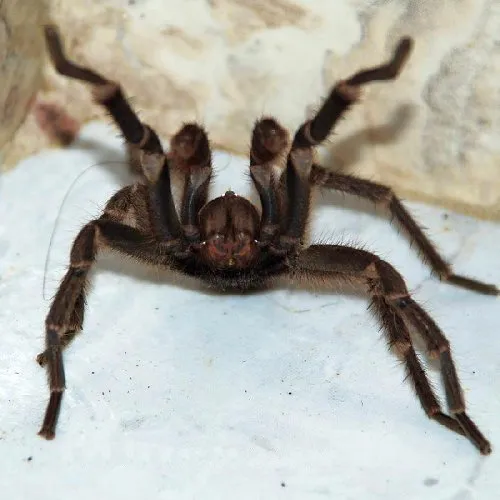
What is a Tarantula
Tarantulas are a fascinating group of spiders, often misunderstood and sometimes feared. They belong to the Theraphosidae family, which encompasses a diverse range of species found in various habitats around the world. These impressive arachnids are known for their large size, hairy bodies, and unique behaviors. Despite their intimidating appearance, tarantulas are generally not considered highly dangerous to humans, and their bites are often compared to a bee sting. Understanding tarantulas involves appreciating their biology, their role in ecosystems, and the ways they differ from other arachnids. Learning about these creatures helps to dispel myths and foster a greater appreciation for the natural world, which has to offer many wonders, including the majestic tarantula.
Tarantula Physical Characteristics
Size and Appearance

One of the most striking features of tarantulas is their size. They are among the largest spiders on Earth, with some species boasting leg spans that can exceed 10 inches (25 cm). Their bodies are covered in hairs, which can vary in color depending on the species and habitat. Colors range from earthy browns and blacks to vibrant oranges, blues, and reds. This diverse coloration helps them camouflage in their environment or to ward off predators. The overall appearance is robust and powerful, designed for hunting and survival. Their substantial size and striking appearance set them apart from smaller, more common spider species, making them easily recognizable in the wild.
Body Structure
The body of a tarantula, like all spiders, is divided into two main parts: the cephalothorax (prosoma) and the abdomen (opisthosoma). The cephalothorax is the fused head and chest region, where the eyes, mouthparts (chelicerae and pedipalps), and legs are attached. Tarantulas have eight eyes, typically arranged in a pattern, though their vision is not their primary hunting tool. The abdomen houses the spider’s vital organs, including the heart, digestive system, and silk-producing spinnerets. The chelicerae, often equipped with fangs, are used for injecting venom and grasping prey. Pedipalps, which are smaller appendages near the mouth, function as sensory organs and help in manipulating food. The entire body structure is designed to aid in both hunting and survival.
Where Do Tarantulas Live
Tarantula Habitats

Tarantulas inhabit a wide variety of environments, from tropical rainforests to deserts, grasslands, and even suburban areas. They can be found in burrows they dig themselves, under rocks, in logs, or in the foliage of trees. The type of habitat a tarantula prefers depends on its species and its specific needs. Some species are terrestrial, spending most of their lives on the ground, while others are arboreal, living in trees. The habitat provides shelter, protection from predators, and access to prey. The diversity of habitats reflects the adaptability of these creatures, allowing them to thrive in various climates and ecological niches, showing they can survive under extreme conditions.
Geographical Distribution
Tarantulas are found on every continent except Antarctica. They are particularly diverse in tropical and subtropical regions of the Americas, Africa, Asia, and Australia. Different species have adapted to specific geographical areas, leading to a wide range of tarantula types. The distribution patterns are influenced by factors such as climate, vegetation, and the availability of prey. Within these broader regions, they can be found in specific countries, states, or even localized microhabitats. The global distribution of tarantulas highlights their ability to colonize various ecosystems and their evolutionary success across the planet.
How to Identify Tarantulas
Distinguishing Features

Identifying tarantulas involves several key features. Start by assessing their size, which is a primary indicator, as they are generally much larger than other spiders. Observe the leg span; some species can have a span over 10 inches. Note the body shape; tarantulas have a distinct, robust build. Look at the presence of hairs covering the body, which are characteristic of the Theraphosidae family. Examine the chelicerae (mouthparts) and pedipalps for their size and shape. Additionally, observe the arrangement and color of the eyes, though they are less critical for identification compared to other features. Careful observation of these details can help in differentiating tarantulas from other spider species.
Leg Span and Body Size
Leg span is a critical factor in identifying tarantulas. Measure the distance between the tips of the front legs on opposite sides of the body. Note that body size alone can vary depending on the spider’s age and condition. However, a larger leg span typically indicates a tarantula. Compare the size to known tarantula species in your region. Consider the overall proportions; tarantulas have a stocky build compared to the slender bodies of other spiders. These measurements are essential for accurate identification, particularly when comparing with other arachnid species that may share similar habitats.
Coloration and Markings
Coloration and markings are also valuable clues. Many tarantulas have distinctive colors and patterns that are unique to their species. Observe the base color of the body and legs, noting any variations in hue. Look for patterns, such as stripes, spots, or bands. Some tarantulas have contrasting colors on their carapace (the upper part of the cephalothorax) and abdomen. These visual characteristics can help narrow down the identification to a particular species or group. Refer to field guides or online resources that showcase the different color variations found in tarantulas to enhance your ability to identify them.
Tarantula Behavior

Diet and Feeding Habits
Tarantulas are primarily predators, feeding mainly on insects, but they will also eat other invertebrates and occasionally small vertebrates. Their diet includes crickets, beetles, moths, and other spiders. Larger tarantulas can consume small lizards, rodents, and birds. Tarantulas are ambush hunters, often waiting in their burrows or hiding spots for prey to come near. They use their fangs to inject venom, which paralyzes the prey. After paralyzing it, they use their chelicerae to crush and consume the prey. They digest their food externally, secreting enzymes onto the prey and then sucking up the liquefied nutrients. Feeding habits vary based on the species and the availability of food in their environment.
Predators and Defense Mechanisms
Despite their size and formidable appearance, tarantulas have predators, including birds, snakes, lizards, and some mammals. To defend themselves, they employ several strategies. Some tarantulas have urticating hairs on their abdomen that they can flick towards perceived threats, causing irritation. They also possess strong chelicerae and venom for defense. When threatened, they may raise their front legs and display their fangs, a clear warning signal. They might also try to escape by running or retreating into their burrows. Their coloration often serves as camouflage, helping them avoid detection by predators. Their survival hinges on a combination of these defense mechanisms and a keen sense of their environment.
Are Tarantulas Dangerous

Tarantula Bites and Venom
While tarantulas possess venom, their bites are generally not considered highly dangerous to humans. The effects of a tarantula bite are often compared to a bee sting, with symptoms including localized pain, redness, and swelling. Allergic reactions are possible but rare. The venom is primarily used to subdue prey, not to cause severe harm to larger animals like humans. It is important to note that bites can sometimes cause secondary infections if the wound is not properly cleaned and cared for. Despite their intimidating appearance, the primary concern when dealing with a tarantula is more about managing the bite site to avoid infection. Tarantulas are more likely to flee or use their urticating hairs for defense rather than bite unless they feel severely threatened.
Tarantulas in the Ecosystem
Tarantulas play a vital role in their ecosystems. As predators, they help regulate insect populations, thereby controlling the populations of pests. They are also prey for other animals, contributing to the food chain. Their burrows can provide shelter for other species, increasing biodiversity. The presence or absence of tarantulas can serve as an indicator of the health of an ecosystem. Understanding their role is crucial for conservation efforts and maintaining balanced environments. By studying tarantulas, we gain insights into the interconnectedness of nature and the importance of biodiversity in maintaining the planet’s ecosystems.
In conclusion, tarantulas are fascinating creatures with unique characteristics and behaviors. From their physical features to their role in the ecosystem, understanding these spiders enhances our appreciation for the natural world. By learning how to identify them and dispelling common myths, we can better respect and protect these often-misunderstood animals.