
Understanding Tarantula Feeding
Feeding a tarantula may seem straightforward, but understanding the ‘why’ behind proper feeding is crucial to ensuring your pet’s health and longevity. Tarantulas, unlike many other pets, have unique needs when it comes to nutrition and feeding habits. Providing the right diet, in the right amounts, is essential for their overall well-being. It directly impacts their growth, their ability to molt successfully, and their general activity levels. A well-fed tarantula is a healthy tarantula, and a healthy tarantula is a joy to observe. This guide breaks down the essentials of feeding your tarantula correctly, ensuring you can provide the best possible care for these fascinating creatures.
Why Is Proper Feeding Important
Proper feeding is the cornerstone of tarantula care, influencing everything from their physical development to their ability to withstand stress. Underfeeding can lead to stunted growth, weakness, and increased susceptibility to illness. Overfeeding, on the other hand, can cause obesity, which can also shorten their lifespan. The right balance ensures they receive the necessary nutrients for their complex biological processes, including the formation of new exoskeletons during molting. Considering these factors, a careful feeding regimen is one of the most important aspects of responsible tarantula ownership, directly contributing to the animal’s quality of life and overall health.
Health and Growth

The food your tarantula consumes directly fuels its growth. Tarantulas, like all arthropods, have an exoskeleton that doesn’t grow. Therefore, they must molt, shedding their old exoskeleton for a new, larger one. Adequate nutrition provides the necessary building blocks for this process, ensuring the new exoskeleton is strong and healthy. A tarantula that is fed properly will grow at a normal rate, and its molts will be more successful, reducing the risk of complications. Poor feeding can lead to delayed molts, deformities, and even death during the molting process.
Lifespan and Molting
A well-nourished tarantula is more likely to live a long and healthy life. Regular, nutritious meals contribute to their overall vitality and resilience. The molting process is particularly energy-intensive, and a tarantula requires sufficient reserves to complete it successfully. Improper nutrition can weaken a tarantula and make it more vulnerable to diseases or premature death. Providing the right diet supports their ability to shed their exoskeletons regularly, which is vital for their growth and overall health, ensuring they live to their full lifespan potential.
What Do Tarantulas Eat
Tarantulas are carnivores, and their diet in the wild consists primarily of insects and other invertebrates. In captivity, it is essential to mimic this natural diet to ensure optimal health. The type of prey offered can significantly impact the tarantula’s well-being, so choosing the right food sources is essential. Different types of insects offer varying levels of nutrients, and some are easier for tarantulas to digest than others. When determining what your tarantula will eat, it’s important to consider factors such as prey size, nutritional value, and availability to create a balanced and healthy diet.
Ideal Prey

The most common and readily available food source for captive tarantulas is insects. Crickets, mealworms, dubia roaches, and superworms are all excellent choices. These insects are relatively easy to obtain and offer a good balance of nutrients. It’s essential to gut-load the insects before feeding them to your tarantula. Gut-loading involves feeding the insects nutritious food, such as vegetables and fruits, a day or two before offering them to your tarantula. This practice increases the nutritional value of the prey, providing your tarantula with a more complete diet.
Prey Size Matters
Selecting the correct size prey is crucial. The prey should be no larger than the tarantula’s body. Overly large prey can overwhelm a tarantula, making it difficult for them to subdue and consume. This can lead to stress or even injury. For spiderlings, smaller prey such as pinhead crickets or small fruit flies are ideal. As the tarantula grows, the size of the prey can be gradually increased. Observe your tarantula’s behavior to determine the appropriate prey size. A tarantula that is struggling to handle its prey is a sign that the prey is too large.
Prey Availability
Having a reliable source of prey is vital to a tarantula’s well-being. Crickets and roaches can often be purchased from local pet stores or online suppliers. Consider setting up a small insect colony to ensure a continuous supply of food, especially if you have multiple tarantulas. Ensure the prey is healthy and free from pesticides or other harmful chemicals. Always quarantine new insects before feeding them to your tarantula to prevent the introduction of parasites or diseases. This approach helps you maintain control over the quality and availability of your tarantula’s diet, promoting its health.
How Often To Feed Tarantulas

The frequency of feeding depends on the tarantula’s age, size, and overall condition. Younger tarantulas and those in the growth phase require more frequent meals than adults. Adjusting the feeding schedule according to the spider’s life stage and activity level ensures they receive adequate nutrition without the risk of overfeeding. Always observe your tarantula’s behavior and adjust the feeding schedule accordingly, to provide the best possible care.
Feeding Schedule for Spiderlings
Spiderlings, due to their rapid growth, need to be fed more frequently. Offer food every day or every other day. Small, appropriately sized prey should be provided to ensure they can easily capture and consume the food. Carefully monitor how much they are eating and adjust the feeding schedule based on their appetite. It’s also important to make sure they always have access to fresh water. During this crucial stage, adequate nutrition promotes healthy development and ensures they can reach adulthood successfully.
Feeding Schedule for Adults
Adult tarantulas typically require less frequent feeding. Feed adults once or twice a week, or even less frequently. Monitor their abdomen size. A healthy adult tarantula should have a slightly rounded abdomen. If the abdomen appears too large, reduce the feeding frequency. If the abdomen is small, increase the frequency slightly. Always provide fresh water. The key is to find a balance that keeps your tarantula healthy without overfeeding. Individual tarantulas have different metabolisms; adjust the feeding schedule to suit your pet’s needs.
Recognizing a Hungry Tarantula

Observing your tarantula’s behavior can help you determine if it’s hungry. A hungry tarantula will often exhibit a more active hunting behavior. They may pace around their enclosure or show heightened interest in movement. They may also be more likely to attack their prey. A tarantula that consistently refuses food is typically not hungry, or is possibly approaching a molt. Always provide food, but don’t force them to eat. Monitor their behaviors for signs of hunger, but respect their natural rhythms.
How to Feed Your Tarantula
Feeding a tarantula is a straightforward process, but proper technique is essential for both the safety of the keeper and the well-being of the spider. Prepare by gathering the appropriate size prey and having tools like tongs or tweezers available. Observe the tarantula’s reaction to the prey, and ensure they are able to successfully hunt and consume it. Following this step-by-step guide can ensure a safe and successful feeding experience. Remember to always prioritize the health and safety of your pet.
The Feeding Process
The feeding process involves a few simple steps. First, gently introduce the prey into the tarantula’s enclosure. Use tongs or tweezers to avoid getting too close to the tarantula’s fangs. Place the prey near the tarantula or gently nudge it to encourage them to hunt. Then, observe your tarantula’s behavior. Most tarantulas will quickly attack and subdue the prey. Allow the tarantula to consume its meal without interruption. The process should be calm and free from disturbances to minimize stress. Always monitor your tarantula’s reaction and avoid any unnecessary interactions.
Removing Uneaten Prey
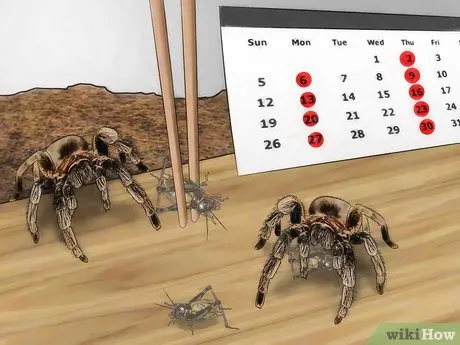
Remove any uneaten prey within 24 hours. Leaving uneaten prey in the enclosure can stress the tarantula and potentially injure it if the prey attacks. Furthermore, uneaten prey can die in the enclosure and begin to decompose, which can create unsanitary conditions and attract mites or other pests. Regularly check for leftover prey and remove it promptly. Use tongs or tweezers to safely retrieve any uneaten insects. Keeping the enclosure clean helps maintain the health of your tarantula and prevent potential problems.
Providing Water
Always provide a shallow water dish with fresh water. Clean the water dish regularly to prevent bacterial growth. Tarantulas need water to survive and to help them stay hydrated, especially before and after molting. The water should be clean and readily accessible. For smaller tarantulas, use a bottle cap or a small, shallow dish to prevent the risk of drowning. Regularly check and replenish the water to ensure a constant supply. Providing fresh water is essential to the overall well-being of your tarantula.
Common Feeding Mistakes
Even experienced tarantula keepers can make feeding mistakes. Avoiding common pitfalls can save you from unnecessary stress and ensure your tarantula stays healthy. Be aware of the potential risks and proactively adjust your care to mitigate them. Proper knowledge of what to avoid can significantly improve your tarantula-keeping skills.
Overfeeding

Overfeeding is a frequent mistake. While it may seem like you’re showing love, overfeeding can lead to obesity. It stresses their internal organs, shortens their lifespan, and makes molting more difficult. Adjust feeding frequency to your tarantula’s specific needs, considering its age, size, and activity levels. Always monitor the size of the abdomen. If it appears disproportionately large, cut back on feedings. Finding the correct balance is key to preventing this issue and ensuring the best care for your pet.
Using the Wrong Prey
Offering inappropriate prey can cause health problems. Feeding tarantulas wild-caught insects risks introducing parasites or pesticides into their system. Certain insects have hard exoskeletons that are difficult to digest, leading to digestive issues. Always stick to commercially bred insects that are guaranteed to be safe. Gut-load the prey before feeding them. Choosing the right prey is crucial to preventing health issues and ensuring your tarantula receives a balanced diet.
Poor Environmental Conditions
Environmental factors can impact the tarantula’s willingness to feed. Providing a proper temperature gradient, adequate humidity levels, and a clean environment are critical. Incorrect temperatures can affect a tarantula’s metabolism and appetite. Low humidity can cause dehydration and hinder their ability to molt. Regularly clean the enclosure, remove any waste, and maintain the appropriate conditions. An unhealthy environment reduces a tarantula’s appetite and overall well-being. Addressing environmental issues should be a priority to support your tarantula’s health.
Troubleshooting Feeding Issues
Sometimes, tarantulas refuse to eat, which can be a cause for concern. However, it is essential to assess the situation carefully and avoid overreacting. Identifying the cause of the issue will help you provide the correct care to your tarantula. Several factors can cause a tarantula to stop eating, so careful assessment is the first step in resolving these situations.
Troubleshooting feeding problems often involves observing the tarantula’s behavior and environment. Check the temperature and humidity levels to ensure they are within the appropriate range. Avoid handling or disturbing the tarantula excessively, especially during molting. If the tarantula has recently molted, it may take a few days or weeks before it is ready to eat again. Always provide fresh water. If the problem persists, consult with an experienced tarantula keeper or veterinarian to get personalized advice.