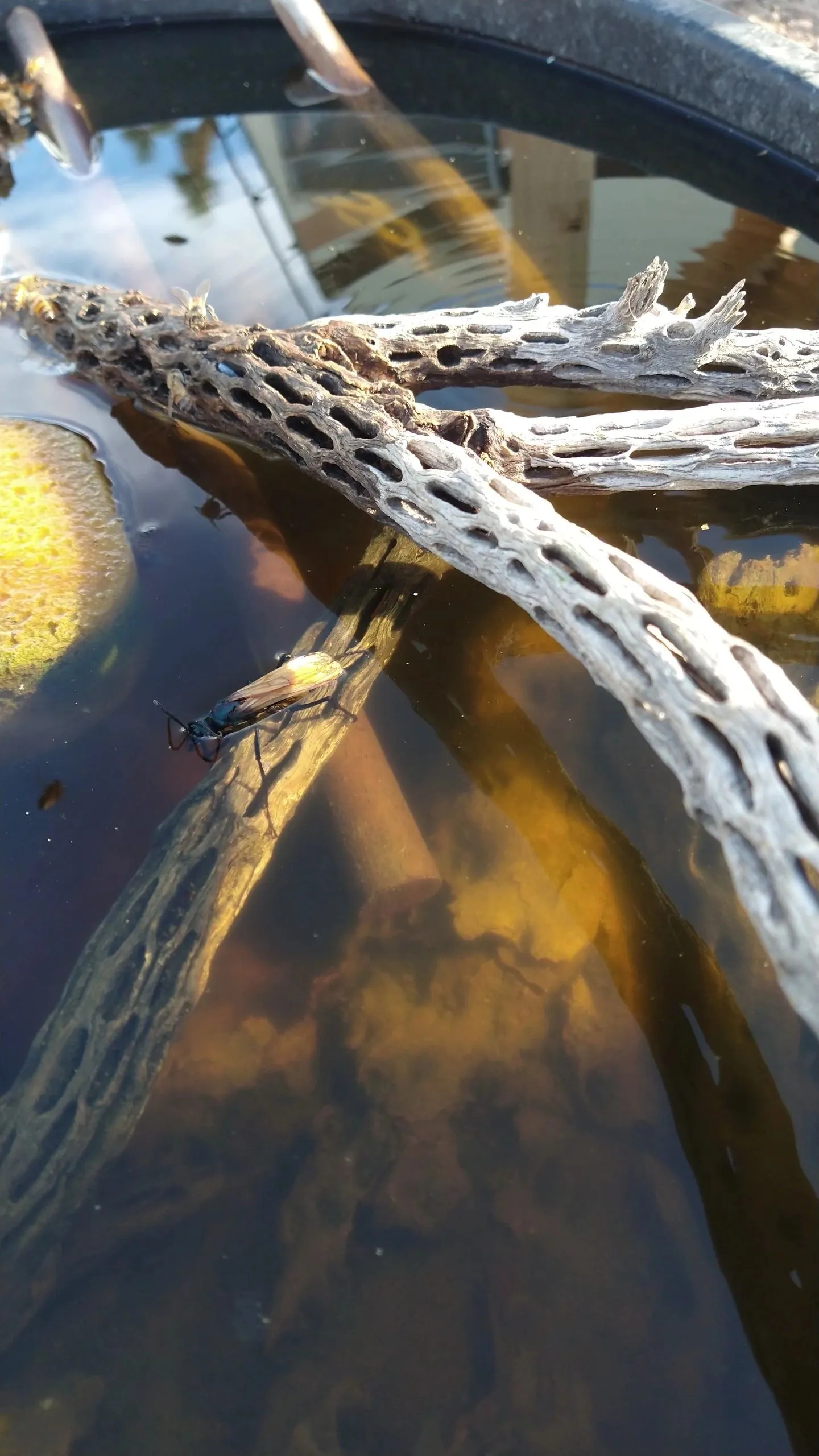
Understanding the Tarantula Hawk Wasp Sting
The tarantula hawk wasp, a formidable insect with a notorious sting, is a fascinating yet often feared creature. Known for its incredibly painful sting, this wasp preys on tarantulas, using its venom to paralyze them. The tarantula hawk wasp’s sting is often described as one of the most painful stings in the world, a fact that underscores the importance of understanding its effects and how to treat them. The wasp’s behavior and the nature of its venom contribute to the severity of the sting’s impact. Its large size and distinctive appearance make it easily recognizable, but it’s the sting that truly defines this insect’s reputation. Being prepared with knowledge of the symptoms and treatment options is critical for anyone who might encounter this insect.
What Makes the Tarantula Hawk Wasp Sting So Painful
The excruciating pain from a tarantula hawk wasp sting is not just a matter of the venom itself, but also the way it is delivered. The wasp possesses a long, powerful stinger capable of injecting a significant amount of venom deep into the skin. This method of delivery, combined with the composition of the venom, amplifies the pain sensation. The sting often feels like an immediate, intense burning sensation, often accompanied by a throbbing that can radiate outwards. While the pain typically subsides within a few hours, the initial intensity is what makes this sting so infamous. Factors such as the individual’s pain tolerance and the location of the sting can influence the duration and intensity of the experience.
The Venom Composition

The venom of the tarantula hawk wasp is a complex mixture of compounds that directly affect the nervous system. While not typically life-threatening to humans, the venom’s primary effect is to cause intense pain. The venom is believed to contain a cocktail of neurotoxins that disrupt nerve signals, resulting in the extreme pain experienced. This pain is not simply a localized reaction but can cause significant distress due to its intensity. The venom’s specific composition allows the wasp to paralyze its tarantula prey, ensuring the wasp can safely transport the spider to its nest. Research into the venom’s components is ongoing, aiming to better understand its effects and potentially develop treatments to alleviate the pain.
Symptoms of a Tarantula Hawk Wasp Sting
Recognizing the symptoms of a tarantula hawk wasp sting is essential for prompt and effective treatment. The symptoms can vary depending on the individual and the location of the sting. The most immediate and common symptoms involve intense pain, along with noticeable swelling and redness at the sting site. It is crucial to understand the spectrum of possible reactions, from localized pain to more severe allergic responses. Understanding the range of potential reactions is key to providing appropriate and timely treatment. Knowing what to look for helps in differentiating a typical reaction from a more serious medical situation, allowing for better management of the sting’s effects.
Immediate Pain and Burning
The most immediate symptom of a tarantula hawk wasp sting is intense, often excruciating pain. This pain is typically described as a sharp, burning sensation that can quickly spread from the sting site. The intensity of the pain often peaks within minutes and can persist for several hours. The pain is so intense that some people report feeling incapacitated or experiencing temporary paralysis. The immediate and overwhelming nature of the pain highlights the need for rapid first aid measures and an understanding of how to manage the initial response to minimize the effects of the sting.
Swelling and Redness

Along with intense pain, swelling and redness around the sting site are common. The area may quickly become inflamed, and the swelling can sometimes be significant. The redness is a result of the body’s inflammatory response to the venom. While some swelling and redness are typical, excessive swelling or the spread of redness beyond the immediate area could indicate a more severe reaction. Monitoring the extent of the swelling and redness is important to assess the severity of the sting and determine if further medical attention is needed. The body’s natural response to the venom varies, so it’s essential to be aware of the potential for these symptoms.
Possible Allergic Reactions
Although rare, allergic reactions to tarantula hawk wasp stings can occur, and they can be serious. Symptoms of an allergic reaction might include difficulty breathing, swelling of the face, lips, or throat, hives, and dizziness. Anaphylaxis is a severe, life-threatening allergic reaction that requires immediate medical attention. Anyone experiencing symptoms of an allergic reaction after a sting needs immediate medical help. Being aware of potential allergic responses is critical. If someone shows these signs, seek medical attention immediately. Prompt action is essential for managing allergic reactions and preventing life-threatening complications.
First Aid Treatment for a Tarantula Hawk Wasp Sting
Administering proper first aid can help alleviate pain and prevent complications after being stung by a tarantula hawk wasp. Immediate actions are crucial in minimizing the impact of the sting. First aid focuses on reducing pain and inflammation. Knowing how to respond quickly can significantly improve the outcome. The following steps should be taken as quickly as possible to treat the sting effectively and offer relief.
Remove the Stinger

Unlike bees, tarantula hawk wasps can sting multiple times. However, if a stinger is visible, gently remove it by scraping a credit card or other flat-edged object across the sting site. Avoid squeezing the area or using tweezers, as this can force more venom into the skin. Removing the stinger quickly reduces the amount of venom injected. Careful removal reduces further irritation. It’s important to approach this step cautiously to minimize discomfort and the potential for infection. Proper removal is a key step in first aid treatment.
Clean the Sting Area
After removing any visible stinger, thoroughly clean the sting area with soap and water. This helps to prevent infection. Gentle washing is best to avoid irritating the wound further. Keeping the area clean is a simple but critical step. Washing removes potential contaminants that could lead to infection. Using mild soap and water is generally recommended for effective and safe cleansing. Be sure to pat the area dry, not rub it, to avoid further irritation.
Apply Cold Compress
Applying a cold compress or ice pack to the sting site can help reduce pain and swelling. Apply the compress for 10-20 minutes at a time, several times a day. Using cold can provide immediate relief from both pain and swelling. Using a cold compress can reduce the inflammatory response, making the sting site more comfortable. Be sure to wrap the ice pack in a cloth to protect your skin. Apply the compress as needed, especially during the initial hours after the sting.
Pain Relief

Over-the-counter pain relievers like ibuprofen or acetaminophen can help manage pain. These medications can reduce discomfort and inflammation. Always follow the dosage instructions on the packaging. For more severe pain, a doctor might prescribe stronger pain relievers. Using pain relievers helps manage pain and makes it easier to cope with the discomfort. Always consult a doctor if the pain is severe or if you have any underlying health conditions.
When to Seek Medical Attention
While most tarantula hawk wasp stings can be treated at home, there are times when medical attention is necessary. Recognizing when to seek professional help is vital for your safety. Certain symptoms indicate that more serious medical intervention may be required. Knowing these signs can help you respond effectively and get the necessary care. Prompt medical care can prevent complications and ensure a more rapid recovery.
Signs of Severe Allergic Reaction
Any signs of a severe allergic reaction, such as difficulty breathing, swelling of the face, lips, or throat, or hives, warrant immediate medical attention. These are signs of anaphylaxis, a life-threatening condition. Prompt treatment is essential. If you or someone you know experiences these symptoms after a sting, call emergency services immediately. Rapid response and medical intervention can save a life. Time is of the essence, and waiting can have fatal consequences. Immediate action is crucial.
Infection or Worsening Symptoms

If the sting site shows signs of infection, such as increased redness, warmth, pus, or a fever, seek medical attention. A worsening of symptoms despite home treatment also requires professional evaluation. Infections can quickly spread, and without proper treatment, they can become severe. If symptoms do not improve or worsen, a medical professional can provide the appropriate care. Early intervention is key to preventing further complications. Prompt medical care can help manage infection and prevent additional health problems.
Long-Term Care and Prevention
Preventing tarantula hawk wasp stings and providing proper aftercare are crucial steps for protecting yourself. A combination of preventative measures and careful management of any sting-related issues can significantly reduce the risk of complications. Understanding the environment where these wasps are common and taking precautions will help minimize the chances of being stung. The goal is to reduce future stings and provide the best possible care in the event of one.
Preventing Stings
The best way to deal with a tarantula hawk wasp sting is to avoid getting stung in the first place. Wear protective clothing when in areas where these wasps are known to be present, such as long sleeves, long pants, and closed-toe shoes. Avoid disturbing the wasps or their nests. If you see a tarantula hawk wasp, maintain a safe distance. Educating yourself about the wasp’s behavior and habitat can help you avoid encounters. Taking simple precautions can greatly reduce the risk of being stung and experiencing the associated pain and discomfort.
Treating Secondary Infections

If the sting site becomes infected, antibiotics might be necessary. A doctor will assess the situation and prescribe the appropriate medication. It is essential to follow the prescribed treatment to prevent the infection from spreading. Proper care for any secondary infections ensures faster healing and prevents further complications. Infections can worsen if left untreated. Getting medical attention is necessary for a full recovery. Comply with the medical professional’s instructions and complete the full course of any prescribed antibiotics.
Aftercare and Recovery
After the initial sting treatment, continue to monitor the sting site for any signs of infection or allergic reaction. Keep the area clean and dry. Use pain relievers as needed to manage any lingering pain. For any symptoms of a worsening condition, seek immediate medical attention. Following the recommended aftercare instructions will promote healing and reduce the risk of complications. Proper aftercare supports faster recovery, ensuring that the affected area heals correctly. By following these steps, you can fully recover and protect yourself from potential future stings.