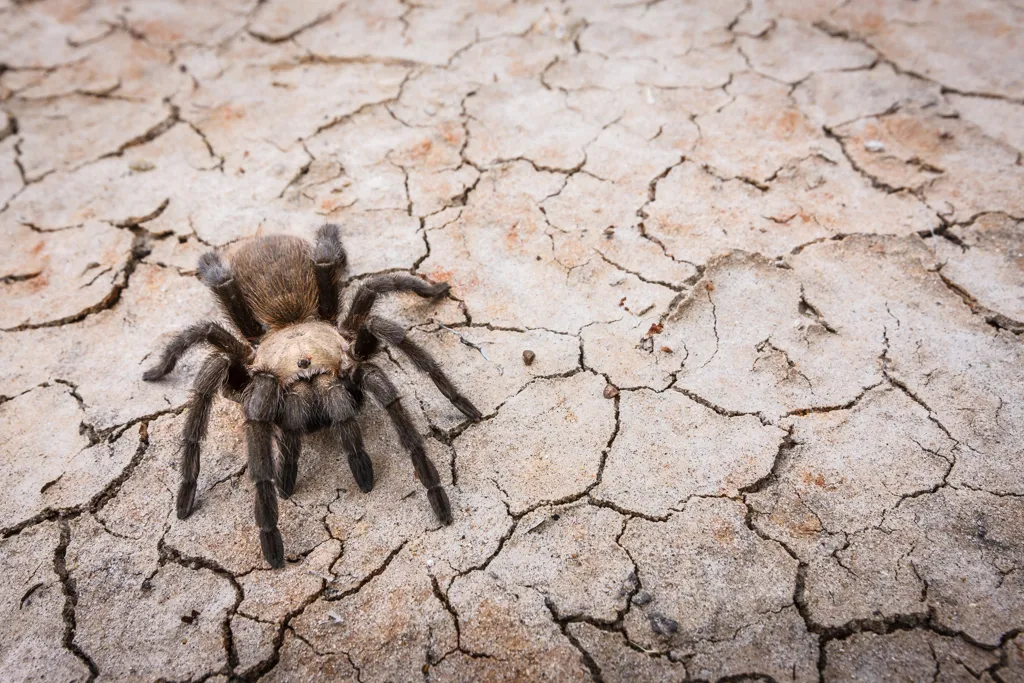
What are Tarantula Holes in Texas Yards
Texas yards, with their varied landscapes and warm climate, are prime real estate for a variety of creatures, including the impressive tarantula. One of the most common signs of these arachnids in your yard is the presence of tarantula holes. These aren’t just random openings in the ground; they are meticulously constructed burrows that serve as homes, providing shelter from the elements and a safe haven for these fascinating spiders. Understanding these holes is the first step in appreciating and coexisting with tarantulas in your Texas yard.
Appearance and Location
Tarantula holes in Texas yards vary in appearance depending on the species and the surrounding environment. Generally, they appear as circular or oval openings in the ground. The spider excavates the soil, creating a tunnel that can extend several inches or even feet underground. These burrows are often found in areas with undisturbed soil, such as under rocks, near the base of trees, or along the edges of your yard. The entrance is usually slightly wider than the spider’s body, and you might notice small mounds of excavated soil around the opening.
Size and Shape

The size and shape of the tarantula hole can provide clues about the spider that resides within. Smaller tarantula species will naturally create smaller holes, while larger species, like some of the Texas tarantulas, will have larger, more robust burrows. The shape is typically a simple cylinder or slightly wider at the top. The entrance may be reinforced with silk, which the tarantula uses to stabilize the burrow’s walls and also to detect vibrations, such as those from approaching prey. The depth of the hole also varies, depending on the species and the soil conditions, potentially reaching up to a foot or more deep.
Common Locations
Tarantulas prefer locations that offer protection from the sun and predators, as well as easy access to prey. In Texas yards, you’ll often find tarantula holes in areas with well-drained soil and some degree of cover. This could be under rocks, logs, or dense vegetation. They also tend to favor undisturbed areas, such as the edges of lawns, flower beds, or along the base of walls or fences. If your yard has these types of features, it’s more likely that you’ll find tarantula holes. Remember that these spiders are also attracted to areas where insects are plentiful, so keep an eye out near potential food sources.
Tarantula Species in Texas
Several species of tarantulas call Texas home. They range in size, coloration, and behavior, but they all share the common characteristic of being large, hairy spiders. The most common species you might encounter in your Texas yard include the Texas Brown Tarantula, the Texas Tan Tarantula, and the Rio Grande Gold Tarantula. Understanding the species present in your area can help you identify their holes and better understand their behavior.
Texas Brown Tarantula

The Texas Brown Tarantula (Aphonopelma hentzi) is one of the most commonly seen tarantula species in Texas. They are typically brown or tan in color and can have a leg span of up to five inches. These tarantulas are known for their relatively docile nature, though they will defend themselves if threatened. Their burrows are often found in open areas with good sun exposure, and their holes are usually well-defined, often with a small silk lining around the entrance. These spiders are active hunters, often leaving their burrows at night to search for food, which includes insects, other spiders, and even small vertebrates.
Texas Tan Tarantula
The Texas Tan Tarantula is another common species found in Texas, closely related to the Texas Brown Tarantula, and shares many of the same characteristics. They are typically tan or light brown, and like the Brown Tarantula, have a leg span of about five inches. Their behavior is similar, also tending to be relatively docile but capable of self-defense. Their burrows are similar in appearance to those of the Brown Tarantula, often found in open areas or under rocks. They are nocturnal hunters, and you might spot them venturing out on warm evenings in search of prey. They are an important part of the ecosystem, helping to control insect populations.
Rio Grande Gold Tarantula
The Rio Grande Gold Tarantula (Aphonopelma marxi) is a stunning species with a distinctive golden hue on its carapace and legs. This tarantula is found in the southern regions of Texas, particularly along the Rio Grande. Their burrows are similar in structure to other tarantulas, often found in drier, more arid environments. The Rio Grande Gold Tarantula is a beautiful addition to the Texas wildlife and an interesting specimen for anyone interested in arachnids. These tarantulas play a role in keeping the ecosystem balanced by eating pests.
Identifying Tarantula Holes

Identifying tarantula holes can be straightforward if you know what to look for. The presence of a hole doesn’t necessarily mean a tarantula is currently at home, as they may abandon or expand their burrows as needed. However, certain characteristics can help you confirm if a tarantula is present. It is essential to observe from a safe distance and avoid disturbing the hole or the surrounding area.
Hole Characteristics
The size and shape of the hole are the first things to consider. As mentioned earlier, tarantula holes are typically circular or oval, and the size will correlate with the size of the spider. Look for clean edges and the absence of other debris, which indicates regular maintenance by the resident spider. The soil around the entrance is often packed down, and you may notice tiny silk strands reinforcing the edges. The texture of the soil around the entrance can also provide clues; it may be slightly rough due to the tarantula’s digging activities.
Nearby Webbing
Many tarantula species line their burrows with silk, and some also create a small webbing around the entrance. This webbing helps to stabilize the burrow and also serves as a sensory tool. The tarantula can detect vibrations on the silk, alerting it to potential prey or threats. If you see a small amount of webbing near the hole, it’s a good indication that a tarantula is the inhabitant. Be careful not to disturb this webbing, as it is the spider’s warning system.
Presence of Tarantulas

The best way to confirm the presence of a tarantula is to observe it directly, but this may require patience. You might spot the tarantula at the entrance of its burrow, especially during dusk or dawn, when it may be waiting for prey. Be patient and watch from a distance, avoid sudden movements that could scare the spider back into its hole. If you’re lucky, you might observe the tarantula actively hunting or carrying prey. Another way to check is by gently shining a flashlight into the hole at night; the spider’s eyes might reflect the light, making it easier to spot.
Safety Precautions Around Tarantula Holes
While tarantulas are generally not aggressive, it’s important to exercise caution around their holes. They can bite if they feel threatened, and though their venom isn’t usually deadly to humans, it can cause pain and localized swelling. Knowing how to prevent issues and how to act if you encounter a tarantula is essential for your safety and the spider’s well-being.
Avoidance and Prevention
The best way to avoid encounters with tarantulas is to be aware of their presence and take steps to prevent them from feeling threatened. When gardening or working in your yard, wear gloves and avoid putting your hands or feet directly into potential tarantula habitats. If you have children or pets, teach them to recognize tarantula holes and to avoid disturbing them. Regularly inspect your yard for holes and, if possible, minimize activities near areas where tarantulas are known to reside. This will minimize the risk of accidental encounters.
What to Do if You Encounter a Tarantula

If you encounter a tarantula, the best approach is to remain calm and move away slowly. Do not attempt to handle or provoke the spider. If you see a tarantula on your property, it is usually best to leave it alone, as they are beneficial to the ecosystem. If a tarantula is inside your home, try to gently coax it into a container and release it outside. If you are bitten, wash the area with soap and water and seek medical attention if you experience severe symptoms. Remember that the goal is to coexist peacefully with these fascinating creatures.
Importance of Tarantulas in the Ecosystem
Tarantulas play a crucial role in the ecosystem, and understanding their benefits helps promote a greater appreciation for these often-misunderstood creatures. They contribute to the balance of nature and act as a form of natural pest control. Their presence helps keep certain insect populations in check, contributing to a healthier environment for your yard and the surrounding area. Additionally, they are a food source for larger animals, completing a natural food chain.
Benefits
Tarantulas are beneficial for a variety of reasons. They are natural pest controllers, consuming insects that might otherwise damage plants or infest homes. They are also a food source for other animals. Their presence indicates a healthy ecosystem. They provide opportunities for scientific study and educational purposes. The simple presence of tarantulas provides a sense of connection to the natural world and enriches the biodiversity of a local environment.
Role in Pest Control

One of the most significant roles tarantulas play is in pest control. They consume a wide range of insects and other invertebrates, helping to keep populations of these creatures in check. By preying on common yard pests, like crickets, grasshoppers, and even other spiders, tarantulas help to maintain a natural balance in your yard. This means that fewer insects will be damaging your plants or invading your home. Allowing tarantulas to live in your yard can reduce the need for chemical pesticides.
In conclusion, tarantula holes in Texas yards are more than just holes in the ground; they are gateways to a fascinating world of spiders and the ecosystems they inhabit. By understanding these burrows, identifying the species, and practicing safety precautions, you can coexist peacefully with these beneficial creatures. Appreciating their role in the ecosystem, from controlling pests to serving as a food source, fosters a deeper respect for Texas wildlife and the important role they play in keeping our yards healthy and vibrant. So next time you spot a tarantula hole in your yard, take a moment to appreciate the hidden life and the wonders of nature at your doorstep.