What is Tarantula Molting
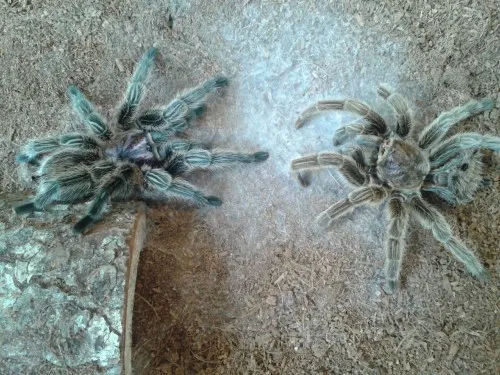
Tarantula molting, a critical and fascinating process, is essentially how these arachnids grow. Unlike mammals, tarantulas have an exoskeleton, a hard, external covering that doesn’t grow. As a tarantula grows, it outgrows its exoskeleton. Molting involves shedding this old exoskeleton and revealing a new, larger one underneath. This process is vital for their growth, development, and overall health. Understanding the signs of an impending molt is crucial for tarantula owners to provide the necessary care and support during this vulnerable time. Properly identifying these signs can prevent unnecessary stress for both the tarantula and the owner, ensuring a smoother and safer molting experience. This knowledge also helps owners avoid accidentally disturbing or interfering with the process, which could lead to injury or complications for the spider. The molting cycle varies based on the tarantula’s age, species, and environmental conditions.
The Molting Process Explained
The molting process is a remarkable display of nature’s ingenuity. It starts with the tarantula forming a new, soft exoskeleton beneath the old one. Enzymes are released to help separate the old exoskeleton from the new one. The tarantula then positions itself, often on its back, to facilitate the shedding process. It carefully pulls itself out of the old exoskeleton, a process that can take anywhere from a few minutes to several hours. Once the tarantula has freed itself, it remains extremely vulnerable. The new exoskeleton is soft and pliable, leaving the tarantula defenseless. During this period, the tarantula will inflate its body with fluids, expanding its new exoskeleton to its full size. It’s essential not to disturb the tarantula during and immediately after molting as it needs time to harden and regain its strength. Providing a safe, stress-free environment is key to a successful molt.
Why Do Tarantulas Molt

Tarantulas molt for several crucial reasons, primarily to grow. Their exoskeleton, made of chitin, is a rigid structure that cannot expand. As a tarantula matures, it needs to shed this restrictive outer layer to accommodate its increasing size. Molting also allows tarantulas to replace damaged or lost body parts, such as legs and pedipalps. During the molt, they can regenerate these limbs, making the process a life-saving mechanism. Furthermore, molting helps in the removal of parasites and other external debris. It effectively cleanses the tarantula, maintaining its health and hygiene. The frequency of molting decreases as a tarantula ages, with juveniles molting several times a year, while adults may only molt once a year or less frequently.
Sign 1 Lethargy and Reduced Appetite
One of the earliest and most noticeable signs of an impending molt is a decrease in activity and a loss of appetite. The tarantula will become less active than usual, spending more time hiding or resting in a single spot. It might also refuse food, even if it is a favorite prey item. This change in behavior is due to the internal preparations for molting. The tarantula is conserving energy and focusing on the molting process, making feeding less of a priority. This loss of appetite can last for several weeks or even months before the molt. Careful observation of your tarantula’s feeding habits and activity levels is essential for recognizing this early sign and preparing for the molt.
Understanding Lethargy in Tarantulas
Lethargy in tarantulas can manifest in various ways, including reduced movement, a slower response to stimuli, and a general lack of interest in their surroundings. The tarantula may appear sluggish, remaining in one place for extended periods. It might also exhibit a lack of coordination or a reluctance to move. While lethargy can be a sign of an impending molt, it’s important to rule out other potential causes, such as environmental stressors or illness. Ensure that the tarantula’s enclosure has the appropriate temperature and humidity levels and that there are no disturbances or changes in its environment. If lethargy is accompanied by other signs of molting, it’s more likely that the tarantula is preparing to molt.
What to do if your Tarantula Stops Eating

If your tarantula stops eating, the first step is to observe it closely. Monitor its activity levels and look for other signs of an impending molt. Avoid offering food frequently, as this can stress the tarantula and lead to further disinterest. If the tarantula is showing other signs, such as a darkening abdomen or increased hiding, it is likely preparing to molt, and the lack of appetite is a natural part of the process. Maintain the correct temperature and humidity levels in the enclosure, and provide a safe, undisturbed environment. Do not handle or disturb the tarantula during this time. Once the molt is complete, the tarantula’s appetite should return. Offer a small amount of food a few days after molting, and gradually increase the portion size as it recovers.
Sign 2 Darkening Abdomen
Another key indicator of an upcoming molt is the darkening of the tarantula’s abdomen. The abdomen might appear darker than usual, and in some cases, you might be able to see the outline of the new exoskeleton forming underneath. This darkening is due to the new exoskeleton developing inside the old one. The changes in coloration can vary depending on the species and the individual tarantula. It is a clear signal that the molting process is underway. Observing the abdomen is therefore a crucial step in identifying a potential molt. Careful attention to color changes can give you a significant heads-up. Make sure to compare it to previous colors to note changes.
The Role of the Abdomen During Molting
The abdomen plays a crucial role in the molting process. It is the largest part of the tarantula’s body, and the area where the new exoskeleton forms first. During molting, the abdomen expands and contracts, helping the tarantula shed the old exoskeleton. The abdomen also houses vital organs, including the heart and digestive system. A healthy abdomen is essential for a successful molt. The darkening of the abdomen is a visual cue that the new exoskeleton is forming and the molting process is beginning. Maintaining a healthy environment for the tarantula will help ensure the abdomen functions correctly during the molt. If you spot any unusual swelling or discoloration, you should consider potential problems related to the molting process.
What This Color Change Means

The color change in the abdomen is a sign that the tarantula is getting ready to shed its skin. The darkening is caused by the formation of the new exoskeleton underneath the old one. The tarantula’s internal organs are shifting, and new structures are taking form. The changes might vary in intensity and shade, depending on the species, but it’s an indication that the molting process is approaching. The color change is often accompanied by other signs, such as lethargy and a loss of appetite. This combination of signs will help you anticipate when your tarantula will molt. The changes provide an excellent opportunity for tarantula owners to prepare the environment and ensure everything runs smoothly for the tarantula’s well-being.
Sign 3 Bald Spot on Abdomen
The appearance of a bald spot on the abdomen is another telltale sign of an upcoming molt. This bald spot is a patch of skin devoid of hairs, and it becomes increasingly noticeable as the molt approaches. It’s where the tarantula will eventually split its exoskeleton to begin the molting process. This bald spot is typically located on the dorsal side of the abdomen. Its size may vary, but it is a reliable indicator that molting is imminent. Observing the development and size of this bald spot can provide an estimate for when the molt will occur. This knowledge is valuable for creating the ideal conditions and minimizing any disturbances to ensure the tarantula molts successfully.
Causes of Bald Spots in Tarantulas
Bald spots in tarantulas are primarily related to the molting process. During molting, the old exoskeleton separates from the new one, and the tarantula sheds the outer layer of hairs from its abdomen. The bald spot appears as the area where the exoskeleton splits. While a bald spot is a natural part of the molting cycle, there are some other factors that can contribute to its appearance. These may include the tarantula’s age, the species, and the environment it lives in. Additionally, rough surfaces inside the enclosure can cause hairs to be rubbed off, though the primary cause is always the molting process. Maintaining a clean and appropriate environment for the tarantula will promote a healthy molt.
Addressing Bald Spots

Since bald spots are often a natural part of the molting process, there’s no specific treatment needed. You should just monitor your tarantula closely for other signs of an impending molt. If the bald spot is accompanied by signs such as lethargy or loss of appetite, this confirms that a molt is likely. Ensure the tarantula has access to a safe and undisturbed environment, where it can complete the molting process without interference. Providing the right humidity levels and temperature in the enclosure will aid in a smooth molt. Avoid handling or disturbing the tarantula during this vulnerable time. Once the molt is complete, the hairs will grow back on the new exoskeleton.
Sign 4 Refusal to Eat
As mentioned earlier, the refusal to eat is another key sign of an upcoming molt. The tarantula will stop eating, even if it has previously been a voracious eater. The refusal to eat can last for several weeks or even months, depending on the tarantula’s age and species. This loss of appetite is a result of the internal changes happening in preparation for molting. The tarantula is conserving its energy and focusing on the molting process. This behavior is a natural part of the molting cycle. Monitoring the feeding habits and observing if your tarantula is eating or not is critical for recognizing this sign. If your tarantula suddenly stops eating and you see no other signs, keep monitoring them. If you start seeing other signs, you can be sure a molt is imminent.
Why Tarantulas Stop Eating Before Molting
There are several reasons why tarantulas stop eating before molting. One major factor is that the tarantula’s internal organs are shifting and changing, preparing for the shedding of the old exoskeleton. Molting is an energy-intensive process, and the tarantula conserves energy by reducing its metabolism and ceasing to eat. Eating at this stage could be harmful because there is less space and the tarantula is already preparing to separate from its old exoskeleton. The tarantula’s mouthparts may also be affected, making it difficult or impossible to eat. The refusal to eat is the body’s way of preparing for the molting process. If your tarantula stops eating, don’t panic. Instead, observe it for other signs of an upcoming molt.
Feeding Considerations During Premolt

During premolt, it’s best to avoid offering food to the tarantula. Force-feeding the tarantula can be stressful and might not be successful. Continue providing fresh water, but otherwise, leave the tarantula undisturbed. If your tarantula is still eating, you can continue to feed it as usual, but reduce the amount of food if its appetite starts to wane. Once the molt is complete, and the tarantula has hardened, you can offer a small amount of food. Gradually increase the portion size as it regains its appetite. Do not feed the tarantula until it has completely hardened, which can take several days. This precaution prevents the tarantula from getting injured while the new exoskeleton is soft.
Sign 5 Increased Hiding and Calmness
The last sign is increased hiding and a general sense of calmness. The tarantula will spend more time in its burrow or hiding spot, avoiding interaction and minimizing movement. This behavior is another way of conserving energy and avoiding potential threats during the molting process. The tarantula knows it is vulnerable during the molt and will seek a secure location. This change in behavior might last for several weeks before the actual molt. Providing the tarantula with a suitable hiding spot is critical for its well-being during this period. A secure and undisturbed environment allows the tarantula to molt in peace, minimizing the risk of injury or stress. Observing your tarantula’s behavior helps anticipate and prepare for the molt.
Behavioral Changes During Molting
During premolt, tarantulas undergo several behavioral changes. These can include lethargy, a decreased appetite, and an increased tendency to hide. The tarantula may also become less defensive and more tolerant of disturbances. These changes are all part of the molting process, as the tarantula conserves energy and prepares to shed its exoskeleton. The tarantula becomes less active and might remain in one place for extended periods. Changes in behavior are a strong indicator that your tarantula is preparing to molt. Understanding these behavioral changes allows you to provide a safe and stress-free environment for the molting process. Make sure to avoid any disturbances during this time.
Creating a Safe Space for Molting
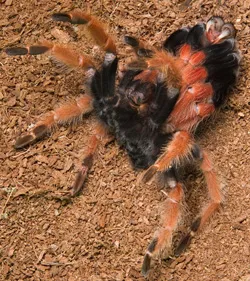
Creating a safe and secure environment is crucial for a successful molt. Provide the tarantula with a suitable hiding spot, such as a burrow, a hide, or a secure corner in its enclosure. Make sure to avoid disturbing the tarantula. Avoid excessive handling or any environmental changes during this period. Maintain the correct temperature and humidity levels in the enclosure, which helps the tarantula’s molting process. Ensure there are no hazards in the enclosure, such as sharp objects that could injure the tarantula. Creating a safe space reduces stress and increases the chances of a successful molt. Do not attempt to help your tarantula shed its skin, as you could cause serious damage.
After the Molt Post Molt Care
After the molt, the tarantula is in a vulnerable state. The new exoskeleton is soft and pliable, and the tarantula needs time to harden and regain its strength. It is important to leave the tarantula undisturbed for several days or even a week. Ensure the enclosure’s temperature and humidity levels are at the optimal levels. Avoid handling the tarantula or disturbing it during this period. Once the exoskeleton has hardened, you can offer a small amount of food. Gradually increase the portion size as the tarantula regains its appetite. The care you give after the molt ensures a full recovery and a long life for your tarantula. The new exoskeleton will be the tarantula’s new home and will protect it until it needs to molt again.
How to Provide Optimal Care
Optimal care after the molt involves providing a stress-free environment and allowing the tarantula to recover. Maintain appropriate temperature and humidity levels in the enclosure. Ensure the tarantula has access to fresh water. Avoid handling or disturbing the tarantula until its exoskeleton has fully hardened. Offer a small amount of food a few days after the molt, and gradually increase the portion size as it regains its appetite. Keep a close eye on your tarantula for any signs of stress or illness. It’s also recommended to provide a clean and hygienic environment for your tarantula. If you follow these simple steps, you can provide optimal care and promote a successful recovery.
What to Avoid After the Molt
After the molt, it’s crucial to avoid certain things to protect your tarantula. Avoid handling or disturbing the tarantula immediately after molting, as its exoskeleton is still soft. Do not offer a full-sized meal right away. Start with small portions, and gradually increase the amount of food as it regains its appetite. Avoid changing the enclosure’s environment. Keep the temperature and humidity levels at the optimal levels. Refrain from introducing any new elements into the enclosure during this period. Always keep a close eye on your tarantula, looking for signs of illness or injury. By avoiding these things, you can ensure your tarantula’s safe and healthy recovery.