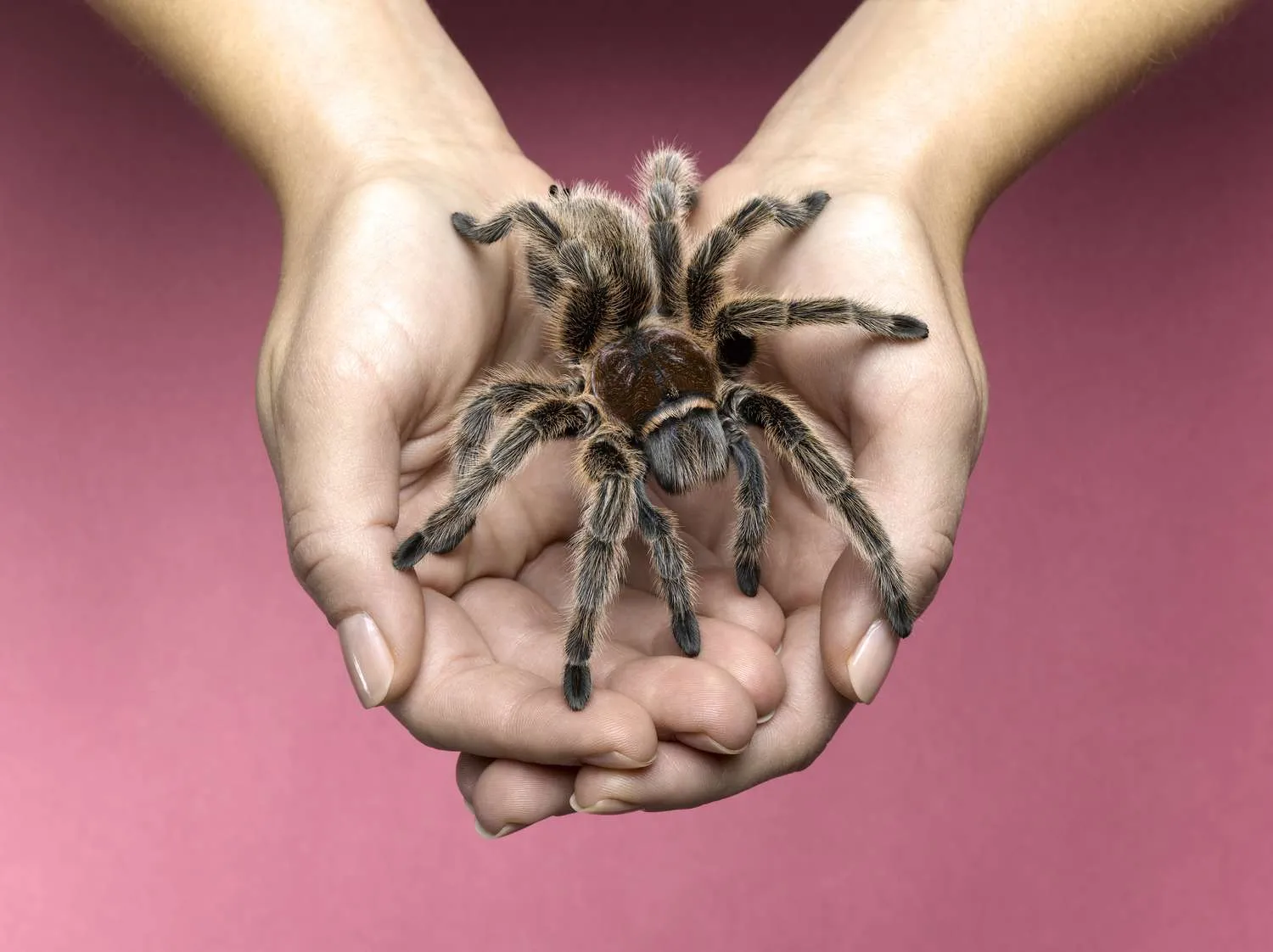
Why Choose a Tarantula as a Pet
Considering a tarantula as a pet can be an exciting prospect, offering a unique and relatively low-maintenance experience compared to more conventional pets. Tarantulas, with their impressive size and intriguing behaviors, have gained popularity among pet enthusiasts. They present a fascinating opportunity to observe a creature unlike any other, sparking curiosity and offering a window into the world of invertebrates. Their relatively long lifespans also provide a long-term companion, allowing owners to develop a connection with their eight-legged friends. Choosing a tarantula is a rewarding experience for those seeking an unusual pet.
Benefits of Tarantula Ownership
Owning a tarantula comes with several advantages that make them a desirable pet for many people. They are generally low-maintenance pets, requiring less daily care than dogs or cats. This makes them ideal for individuals with busy schedules or those who prefer a less demanding pet. Furthermore, tarantulas do not need to be walked, groomed, or played with in the same way as other animals. Their captivating behaviors and unique appearance offer an opportunity for observation and education about the natural world. Finally, the relatively low cost of owning a tarantula, compared to other pets, makes them an accessible option for a wide range of people.
Low Maintenance

One of the primary benefits of tarantula ownership is their low-maintenance nature. Unlike dogs or cats, tarantulas do not require daily walks, grooming, or extensive playtime. Their basic needs, which include feeding and maintaining their enclosure, can be easily met with minimal time and effort. This makes them a convenient pet for individuals with busy lifestyles. Because they do not demand constant attention, owners can enjoy their pet without the overwhelming responsibilities associated with more traditional pets. In addition to their minimal care requirements, tarantulas are also relatively clean pets, as they do not produce significant waste or require regular bathing.
Fascinating Behavior
Tarantulas exhibit a range of fascinating behaviors that captivate their owners. They are skilled hunters, often using elaborate ambush tactics to capture their prey. Their feeding habits, including the way they subdue and consume insects, can be quite intriguing to observe. Moreover, tarantulas display unique defensive mechanisms, such as flicking urticating hairs (in some species) or displaying threat postures when feeling threatened. Watching a tarantula molt, a process where they shed their exoskeleton to grow, is a remarkable sight that provides a glimpse into their life cycle. These behaviors make them a source of constant interest and entertainment for pet owners.
Relatively Quiet
Another significant advantage of tarantula ownership is their quiet nature. Unlike pets that bark, meow, or make other audible noises, tarantulas are virtually silent. This makes them an excellent choice for individuals living in apartments or shared living spaces where noise can be a concern. Their quiet demeanor ensures that they do not disturb neighbors or other members of the household. This makes them an ideal pet choice for people who value a peaceful and noise-free environment. The lack of noise pollution contributes to a tranquil atmosphere, enhancing the overall quality of life for both the pet owner and those around them.
Choosing the Right Tarantula Species

Selecting the right tarantula species is crucial for a positive pet-owning experience. Different species have varied temperaments, care requirements, and sizes. Researching and understanding the specific needs of each species is important before making a decision. Consider factors like your experience level, the space you can provide, and the amount of time you can dedicate to their care. Some species are more docile and beginner-friendly, while others may be more defensive or require more specialized care. Therefore, thorough research will help in making an informed decision. This ensures the tarantula thrives and provides a rewarding experience for the owner.
Beginner-Friendly Tarantulas
For those new to tarantula ownership, certain species are highly recommended due to their docile nature and relatively easy care. These beginner-friendly tarantulas are less likely to bite, have less demanding environmental requirements, and are often more tolerant of handling. They offer a gentler introduction to the world of tarantulas, allowing new owners to gain experience and confidence. These species usually grow to a manageable size, making them suitable for various living spaces. They typically eat readily, which simplifies feeding routines. They are a good starting point before moving on to more challenging tarantula species.
Mexican Red Knee Tarantula
The Mexican Red Knee Tarantula (Brachypelma hamorii) is a popular choice for beginners due to its striking appearance and generally docile temperament. Its distinctive red and orange markings on its leg joints make it visually appealing. They are relatively slow-moving and less prone to biting, making them easier to handle with caution. Mexican Red Knees are also quite adaptable to various environmental conditions, which simplifies their care. Their moderate size and lifespan add to their appeal. This species is one of the most frequently recommended tarantulas for first-time owners, offering an enjoyable and manageable pet experience.
Chilean Rose Tarantula

The Chilean Rose Tarantula (Grammostola rosea) is another excellent option for beginners, known for its calm disposition and hardiness. They are tolerant of various environmental conditions. They are generally docile and less inclined to bite, making them suitable for those new to tarantulas. Chilean Rose Tarantulas are also relatively affordable. Their manageable size and slow growth rate contribute to their suitability as a beginner pet. They are known for their calm and predictable behavior, making them a great choice for first-time tarantula owners. This species is low-maintenance, enhancing its appeal for people looking for an exotic pet.
Choosing Your Tarantula’s Enclosure
Selecting the appropriate enclosure is vital for the health and well-being of your tarantula. The enclosure provides a safe and controlled environment, protecting the tarantula from external dangers and allowing you to manage its habitat. The size and type of enclosure must match the tarantula’s species and size. The enclosure needs to facilitate proper ventilation, temperature regulation, and humidity control. A well-designed enclosure allows you to observe your pet. Providing the right environment is essential for the tarantula’s survival. The right enclosure ensures it lives a healthy and fulfilling life.
Enclosure Size and Type
The size and type of enclosure depend on the tarantula species and its size. Generally, a terrarium or a plastic container is suitable, as long as it provides adequate space. The enclosure should be at least twice the tarantula’s leg span in width and length, and the height should be sufficient to allow for burrowing or climbing, depending on the species. A secure lid is essential to prevent escapes, and ventilation holes are necessary to allow airflow. The enclosure should also be made of a material that is easy to clean. The appropriate size and type of enclosure will minimize stress for the tarantula. It helps to create a comfortable and stimulating environment.
Substrate and Habitat Setup

The substrate, or bedding, is essential for the tarantula’s comfort and burrowing behavior. The substrate should retain moisture and provide a surface for the tarantula to grip. Popular substrate choices include coconut fiber, peat moss, and a mixture of soil and vermiculite. The depth of the substrate will vary depending on the species, but it should generally be deep enough to allow for burrowing if the species is a burrowing type. The habitat setup should also include a water dish, a hide, and possibly some decorations like branches or artificial plants. These features will create a more natural and enriching environment for your tarantula. The right substrate helps in managing humidity and making a safe environment.
Temperature and Humidity
Maintaining appropriate temperature and humidity levels is crucial for tarantula health. Most tarantulas thrive in a temperature range of 75-85°F (24-29°C). Heating pads or heat lamps can be used to maintain the required temperature if the ambient temperature is too low. Humidity levels also vary by species, but generally, they should be between 60-80%. You can monitor humidity with a hygrometer and increase it by misting the enclosure with water. Proper ventilation is essential to prevent mold growth. Regular monitoring and adjustments are needed to ensure that the tarantula’s environment is suitable. Maintaining a stable environment is important for the tarantula’s health.
Feeding Your Tarantula
Providing a proper diet is essential for your tarantula’s growth and well-being. The type, frequency, and quantity of food should match the tarantula’s species, age, and size. Overfeeding can be as harmful as underfeeding, so it’s important to be mindful of your pet’s needs. The food you offer needs to be nutritious and safe. Fresh water should always be available. Regular observation of your tarantula’s feeding habits and overall health can also help you adjust its diet. A well-fed tarantula is more likely to be healthy and thrive in its environment.
What to Feed Tarantulas

Tarantulas are primarily insectivores. Their diet should mainly consist of insects. Crickets, mealworms, and roaches are common choices and easily available. The size of the insects should be appropriate for the tarantula’s size, and they should be gut-loaded before feeding. This involves feeding the insects nutritious food to improve their nutritional value. You can also offer other insects, such as superworms or waxworms, but in moderation. Make sure that the insects are pesticide-free and are sourced from a reliable source. The insects should always be smaller than the tarantula’s abdomen, or it might not eat them. A varied diet will ensure the tarantula gets all essential nutrients.
Feeding Frequency
The feeding frequency depends on the tarantula’s age, size, and species. Younger tarantulas and those that are still growing need to be fed more often, typically once or twice a week. Adult tarantulas can be fed less frequently, perhaps once every one to two weeks. Observe your tarantula’s abdomen; if it appears plump, it may be adequately fed. Remove any uneaten insects from the enclosure within 24 hours to prevent stress. Adjust feeding frequency based on the tarantula’s activity level and willingness to eat. Providing the correct amount of food supports your pet’s health. Adjusting the feeding plan ensures a balanced diet.
Watering Your Tarantula
Water is essential for the tarantula’s health. A shallow water dish should always be available. Fill it with clean, fresh water. Change the water regularly to prevent the growth of bacteria. Depending on the species, you might need to mist the enclosure to maintain humidity levels. For some species, the water dish should be small enough to avoid drowning. Some tarantulas might drink from the water dish, while others prefer to drink droplets of water from the side of the enclosure after misting. Proper hydration is vital for the tarantula’s well-being. Ensure access to clean water at all times to keep your pet hydrated and healthy.
Handling and Safety Precautions

Handling a tarantula is not always necessary and is best avoided unless essential. While some species are more docile than others, all tarantulas can bite if they feel threatened or startled. Tarantula bites are generally not fatal to humans, but they can be painful. It’s essential to handle tarantulas cautiously, if at all, and to take all necessary safety precautions. Always be mindful of the tarantula’s behavior and body language to gauge its mood. It’s crucial to prioritize your own safety and the tarantula’s well-being. Prioritizing safety will minimize the risk of any accidents.
Safe Handling Practices
If you must handle your tarantula, there are several practices to follow to ensure safety. First, always handle the tarantula close to the ground or a soft surface to minimize the risk of injury if it falls. Never squeeze or restrain the tarantula, as this may cause it to feel threatened. Gently coax the tarantula onto your hand, and let it walk at its own pace. Always keep your hands steady and avoid sudden movements that might startle it. After handling, wash your hands thoroughly to remove any potential irritants from the tarantula’s urticating hairs. Always observe the tarantula’s behavior, and if it shows signs of stress or aggression, return it to its enclosure immediately. Respecting the animal’s boundaries helps in a safe handling.
Potential Health Risks
While tarantula bites are not typically life-threatening, they can be painful and cause localized reactions, such as redness, swelling, and itching. Some tarantulas have urticating hairs, which they can flick off their abdomens as a defense mechanism. These hairs can cause skin irritation and, in rare cases, respiratory issues if inhaled. It’s essential to be aware of the potential risks and take precautions to minimize them. If bitten or exposed to urticating hairs, wash the affected area with soap and water. Seek medical attention if symptoms are severe or if you experience an allergic reaction. Avoiding unnecessary handling and knowing how to handle your pet will reduce health risks.
Tarantula Health and Common Issues
Tarantulas, like all pets, can experience health problems. Being aware of the common issues and knowing how to identify them is essential for responsible pet ownership. Regular observation of your tarantula’s behavior, feeding habits, and physical condition can help you detect potential issues early. Common problems include parasites, bacterial infections, and injuries. Proper care, a clean environment, and a balanced diet can help prevent many health issues. If you suspect your tarantula is ill, consulting a veterinarian specializing in exotic animals is crucial for diagnosis and treatment. Early intervention can make a difference.
Recognizing Illness
Recognizing signs of illness in tarantulas is essential for providing timely care. Common symptoms include loss of appetite, lethargy, and unusual behavior. Changes in the tarantula’s posture, such as lying on its back for extended periods, can also indicate a problem. Examine the tarantula’s body for signs of injury or abnormalities, such as swelling or discoloration. A healthy tarantula should be active, feed regularly, and display normal behaviors. Consulting a veterinarian can help to determine the cause of the issue and what measures to take. Early detection of illness will lead to better treatment and improves the chances of recovery. Seek professional help promptly.
Moulting Process
Moulting, the process of shedding their exoskeleton, is a natural part of a tarantula’s life cycle. It’s when the tarantula grows. Before moulting, the tarantula will typically stop eating, become less active, and may spend more time in its hide. During the moult, the tarantula will lie on its back and shed its old exoskeleton. This process can take several hours or even days, during which the tarantula will be extremely vulnerable. After moulting, the tarantula will have a new, soft exoskeleton, which it will need time to harden. It is essential to avoid disturbing the tarantula during moulting. Offer food a week or two after moulting is complete. Avoid handling your tarantula until it is fully hardened.
Conclusion
Owning a tarantula can be a rewarding experience. They are fascinating creatures, with their unique behaviors and relatively low maintenance requirements. If you’re considering a tarantula as a pet, remember that thorough research and responsible care are critical for their health and well-being. Choosing the right species, providing a suitable enclosure, a balanced diet, and a safe environment will allow your tarantula to thrive. Always handle tarantulas with care, if at all, and be mindful of their safety. By understanding the needs of your tarantula, you can enjoy a unique and fulfilling pet ownership experience. Enjoying the experience begins with your dedication to providing optimal care, leading to the long and happy life of your tarantula.