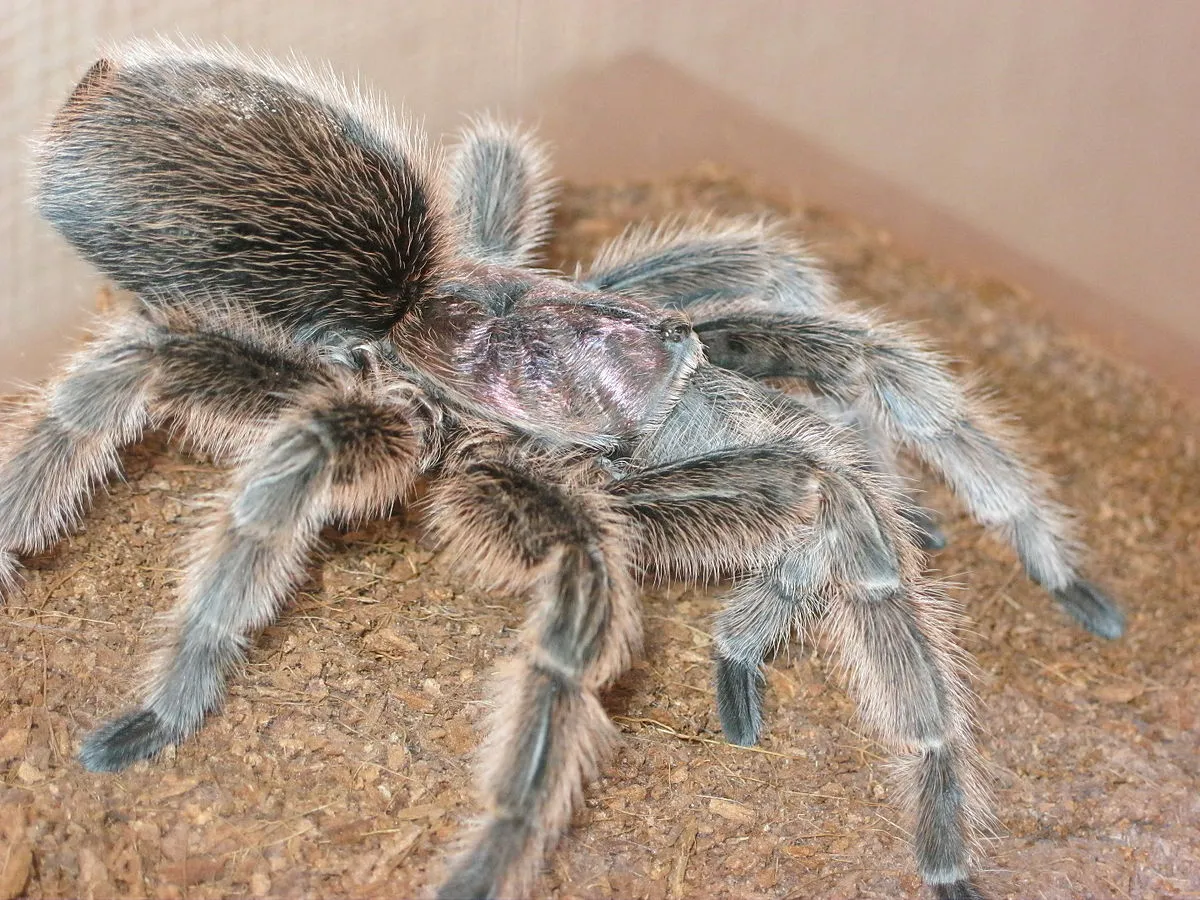
Choosing Your Rose Hair Tarantula
Embarking on the journey of owning a Rose Hair Tarantula, also known as the Chilean Rose Hair Tarantula (Grammostola rosea), is an exciting experience. These arachnids are renowned for their docile temperament and relatively low-maintenance care requirements, making them popular among beginner tarantula keepers. Before bringing your new eight-legged friend home, it’s essential to understand what to look for in a healthy tarantula and where to acquire one. A healthy start is the foundation for a long and fulfilling relationship with your pet. This comprehensive guide will help you navigate the initial steps, ensuring you provide the best possible environment for your Rose Hair Tarantula to thrive.
Selecting a Healthy Rose Hair Tarantula
The health of your Rose Hair Tarantula significantly impacts its longevity and overall well-being. It is important to carefully examine potential purchases. A healthy tarantula is active and alert, with a plump abdomen, indicating it is well-fed. Be wary of tarantulas that appear lethargic or have a shrunken abdomen, as this could signify dehydration or a lack of food. Furthermore, check for any signs of parasites or injuries. A clean environment is crucial, and any tarantula displaying signs of illness should be avoided. Remember that the initial investment of time will pay dividends when you bring home a vibrant and thriving specimen.
Signs of a Healthy Tarantula

Identifying a healthy tarantula involves observing several key indicators. Firstly, look for a robust, symmetrical body shape. The abdomen should be full, without any wrinkles or indentations. The tarantula should have all its legs, and these should move freely and responsively. The fangs should appear intact and undamaged. Observe its behavior: a healthy tarantula will typically be active, exploring its enclosure, or readily eating food. Avoid tarantulas that appear sluggish, are missing legs, or have a thin abdomen. These are all red flags that could indicate underlying health issues. Examine the general condition to ensure its long-term wellness.
Where to Buy Your Tarantula
Acquiring your Rose Hair Tarantula from a reputable source is crucial for ensuring its health and well-being. Look for breeders or pet stores that specialize in arachnids or exotic pets. These sources are more likely to have experienced staff who can provide valuable advice on tarantula care. Ensure the source maintains clean and well-maintained enclosures for their tarantulas. Always check the seller’s reputation by reading reviews or asking for recommendations from experienced tarantula keepers. Avoiding impulse buys from unreliable sources is essential for the long-term wellness of your tarantula. Furthermore, it can prevent the spread of diseases into your home.
Setting Up the Perfect Rose Hair Tarantula Enclosure
Creating the ideal environment for your Rose Hair Tarantula is essential for its health and happiness. This requires careful consideration of several factors including enclosure size, substrate type, humidity, ventilation, and temperature. Each element plays a vital role in mimicking its natural habitat, promoting its well-being and preventing stress. A well-designed enclosure provides the tarantula with security, the ability to burrow, and an optimal environment for molting. Paying attention to these details will enable you to create a home that enables your pet to flourish.
Enclosure Size and Type
The size and type of enclosure are fundamental to your tarantula’s well-being. A general rule is to provide an enclosure that is at least three times the tarantula’s leg span in width. For adult Rose Hair Tarantulas, a 10-gallon tank or a similarly sized enclosure is often suitable. The enclosure should have a secure lid to prevent escapes and provide adequate ventilation. Consider using a front-opening terrarium, which allows for easier access to your tarantula and provides a better viewing experience. The enclosure should be made of clear material, such as glass or acrylic, to allow for easy observation and ensure the tarantula has a sense of security.
Substrate Selection
The substrate serves as the flooring of your tarantula’s home and plays a crucial role in maintaining humidity levels, providing a place for burrowing, and absorbing waste. The best substrates for Rose Hair Tarantulas are those that retain moisture but do not mold easily. A mixture of coconut fiber, peat moss, and a small amount of vermiculite is an excellent choice. Avoid using substrates that are too dry or dusty, as these can cause respiratory issues. The substrate should be deep enough for the tarantula to burrow if it chooses, typically 2-4 inches. Regular monitoring of the substrate’s condition is essential to prevent mold and bacteria buildup.
Humidity and Ventilation
Maintaining the correct humidity levels is vital for the health of your Rose Hair Tarantula. These tarantulas thrive in a moderate humidity environment, typically around 60-70%. You can achieve this by misting the enclosure lightly with dechlorinated water a few times a week. However, avoid oversaturating the enclosure, as this can lead to mold growth and respiratory problems. Good ventilation is equally important. Ensure the enclosure has adequate ventilation holes to allow for airflow. Proper ventilation helps to regulate humidity, prevent the buildup of stale air, and reduce the risk of fungal infections. A hygrometer is a valuable tool to monitor humidity levels and make necessary adjustments.
Temperature Requirements
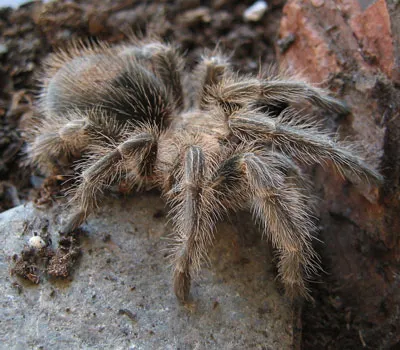
Rose Hair Tarantulas are ectothermic animals, meaning they rely on external heat sources to regulate their body temperature. The ideal temperature range for these tarantulas is between 75-85°F (24-29°C). You can maintain this temperature using a heat mat attached to the side of the enclosure or a low-wattage heat lamp. Place the heat source on one side of the enclosure to create a thermal gradient, allowing the tarantula to choose its preferred temperature. Always monitor the temperature with a thermometer to ensure it stays within the safe range. Avoid placing the enclosure in direct sunlight or near drafts, as these can cause rapid temperature fluctuations. Keep in mind the thermal conditions, as this can create a long-term impact on your tarantula.
Feeding Your Rose Hair Tarantula
Proper feeding is a fundamental aspect of Rose Hair Tarantula care, directly influencing their growth, health, and longevity. Understanding their dietary needs, the appropriate food items, and feeding frequency is crucial for providing them with the necessary nutrition. It is important to create a feeding schedule which considers age, size, and overall health to maintain the tarantula’s health. Regular feeding, along with an adequate water source, supports their vital functions, contributes to successful molting, and helps in maintaining their well-being. The success of your tarantula’s life depends on the dedication of proper feeding.
What to Feed Your Tarantula
Rose Hair Tarantulas are primarily insectivores, meaning their diet consists mainly of insects. Crickets, mealworms, and dubia roaches are popular and readily available food options. The size of the prey should be appropriate for the size of your tarantula; a general rule is to offer insects no larger than the tarantula’s body length. Avoid feeding them wild-caught insects, as these may carry parasites or pesticides. Variety in the diet is beneficial, so consider offering different types of insects occasionally. It is also important to dust the feeder insects with a calcium and vitamin supplement, particularly for growing tarantulas, to ensure they receive the necessary nutrients.
Feeding Frequency and Portion Sizes

The feeding frequency for Rose Hair Tarantulas varies depending on their age and size. Spiderlings and juvenile tarantulas may need to be fed every 2-3 days, while adults can be fed once or twice a week. Adjust the feeding schedule based on the tarantula’s appetite and body condition. If the tarantula refuses food, it may be in premolt (preparing to molt) or simply not hungry. Remove any uneaten prey within 24 hours to prevent stress to the tarantula and potential injury. The portion size should be adjusted to avoid overfeeding; the tarantula should consume the prey within a reasonable time frame. Regular monitoring of your pet’s weight will help you adjust your feeding routine.
Watering and Hydration
Providing a clean water source is crucial for the hydration of your Rose Hair Tarantula. A shallow water dish filled with fresh, dechlorinated water should always be available. The water dish should be small enough to prevent the tarantula from drowning. Check the water dish daily and refill it as needed, and clean it regularly to prevent algae and bacteria buildup. In addition to the water dish, you can lightly mist the enclosure a few times a week to maintain appropriate humidity levels. Be cautious not to over mist, as excessive moisture can lead to mold growth. Remember that proper hydration is crucial for successful molting and overall health.
Handling and Safety Precautions
Handling a Rose Hair Tarantula should be approached with caution, as they are delicate creatures and their behavior can be unpredictable. While Rose Hair Tarantulas are generally docile, they can still bite if they feel threatened. It’s best to avoid handling them unless necessary. When handling is unavoidable, proper safety measures and awareness of the tarantula’s body language are crucial. Always prioritize the tarantula’s safety and well-being to avoid stressing or injuring it. Learning about the tarantula will create a safer handling experience.
Safe Handling Practices
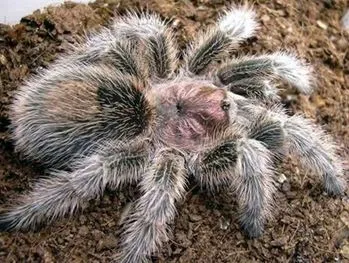
If you must handle your Rose Hair Tarantula, do so with extreme care and gentleness. The best approach is to encourage the tarantula to walk onto your hand rather than attempting to pick it up. Wash your hands thoroughly before handling to remove any scents or substances that might agitate the tarantula. Handle the tarantula over a soft surface, such as a bed or a carpeted floor, to minimize the risk of injury if it falls. Avoid sudden movements or loud noises, as these can startle the tarantula. Always support the tarantula’s body, and avoid squeezing or restricting its movement. A calm and steady demeanor will help to reduce the risk of bites and injury.
Recognizing Stress Signals
Learning to recognize stress signals in your Rose Hair Tarantula is essential for responsible pet ownership. If the tarantula feels threatened or stressed, it may exhibit certain behaviors, such as raising its front legs, flicking hairs from its abdomen (a defense mechanism called urticating hairs), or trying to escape. If you notice these signs, it’s best to leave the tarantula alone and allow it to retreat to its enclosure. A stressed tarantula is more likely to bite. Always respect the tarantula’s boundaries and avoid actions that may frighten or upset it. Your observation skills will help you create a comfortable environment for the tarantula.
Common Rose Hair Tarantula Health Issues
While Rose Hair Tarantulas are relatively hardy, they are susceptible to certain health issues. Understanding these issues and how to prevent or treat them is important for providing appropriate care. Regular observation and attention to the tarantula’s living conditions are essential for preventing health problems. Be ready to respond to potential issues and seek professional veterinary advice if necessary to ensure your tarantula’s health and well-being.
Molting and What to Expect

Molting is a natural process in which tarantulas shed their exoskeleton to allow for growth and to replace damaged or lost limbs. The frequency of molting depends on the tarantula’s age and growth rate. Young tarantulas molt more frequently than adults. Before molting, the tarantula will typically stop eating, become less active, and may spend more time hiding. During the molting process, the tarantula will often lie on its back. Do not disturb the tarantula during molting. After molting, the tarantula will have a soft exoskeleton and will be vulnerable. Avoid handling or feeding it until the exoskeleton has fully hardened, which may take a few days. Successful molting is a sign of a healthy tarantula.
Parasites and Diseases
Rose Hair Tarantulas, like all animals, can be susceptible to parasites and diseases. Mites are a common external parasite that can infest tarantulas, causing irritation and potential health problems. You can often spot mites as small, moving specks on the tarantula’s body or in its enclosure. Providing a clean environment and inspecting the tarantula regularly for signs of parasites can prevent mite infestations. Bacterial and fungal infections can also occur, often due to poor enclosure conditions or injuries. If you suspect your tarantula is ill, it is important to isolate it from other tarantulas, consult a veterinarian experienced in exotic animals, and improve the enclosure’s sanitation. It is very important to create a sanitary environment to keep your tarantula in good health.
Cleaning and Maintenance
Regular cleaning and maintenance are essential for maintaining a healthy environment for your Rose Hair Tarantula. This includes routine enclosure cleaning and maintenance of the water dish. A clean and well-maintained enclosure helps to prevent the buildup of harmful bacteria, reduce the risk of diseases, and promote the overall well-being of the tarantula. Establishing a consistent cleaning schedule and following best practices for hygiene are crucial for a long and healthy relationship with your pet.
Routine Enclosure Cleaning
Regular enclosure cleaning is critical for maintaining hygiene. Spot-clean the enclosure at least once a week by removing uneaten food, dead insects, and any visible waste. You can use a small scoop or tongs to remove these items. Replace the substrate partially every few months, or when it becomes soiled or heavily soiled. When replacing the substrate, carefully remove the tarantula and place it in a temporary holding container, such as a clean plastic container. Dispose of the old substrate properly and thoroughly clean the enclosure with a mild, pet-safe disinfectant. Allow the enclosure to air dry before reintroducing the tarantula and fresh substrate. Regular cleaning will help to prevent the spread of diseases.
Water Dish Maintenance
The water dish requires regular maintenance to ensure a clean and safe water source for your tarantula. Clean the water dish daily to prevent the growth of algae and bacteria. Empty the dish, rinse it thoroughly with clean water, and refill it with fresh, dechlorinated water. Avoid using soap or chemicals to clean the dish, as these can be harmful to the tarantula. If you notice any buildup of debris or algae, clean the dish more frequently. Proper water dish maintenance ensures that your tarantula always has access to clean drinking water and helps to maintain the overall health of your pet. This essential task will improve the quality of life for your tarantula.
Conclusion
Caring for a Rose Hair Tarantula is a rewarding experience that requires dedication and attention to detail. By following this ultimate guide, you’ll be well-equipped to provide your tarantula with a safe, healthy, and enriching environment. From choosing a healthy specimen and setting up its enclosure to proper feeding, handling, and health maintenance, each step is crucial. Remember to continuously learn and observe your tarantula’s behavior, adjusting its care as needed. Owning a Rose Hair Tarantula is a long-term commitment. With the right care, you will be able to enjoy the beauty and unique characteristics of this fascinating creature for many years to come. You can create a lasting relationship by prioritizing its well-being and creating a nurturing environment for it.