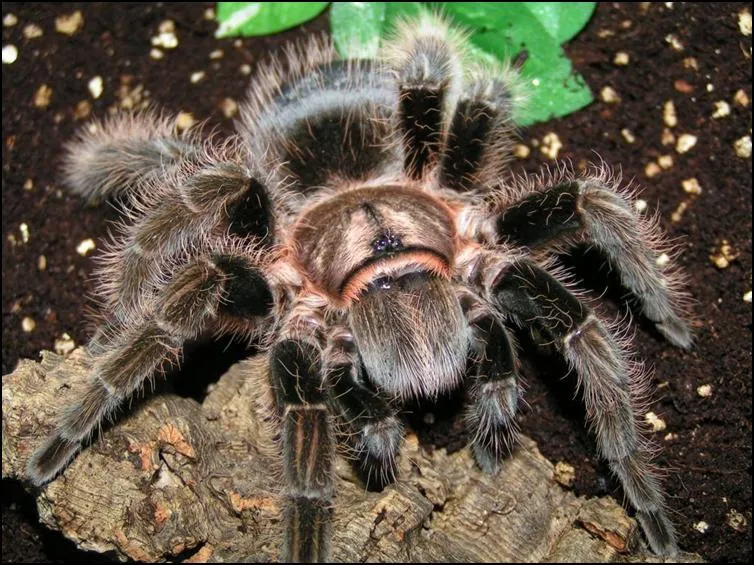
The Curly-Haired Tarantula (Tliltocatl albopilosus), a popular choice for beginner tarantula keepers, captivates with its docile nature and striking appearance. Understanding the size of your curly-haired tarantula is crucial for providing proper care, from choosing the right enclosure to ensuring adequate nutrition. This guide provides the top 5 facts about curly-haired tarantula size, offering insights into the factors that influence their growth, how to measure them, and why size matters for their overall well-being.
What Determines Curly-Haired Tarantula Size
Several factors play a significant role in determining the final size of your curly-haired tarantula. These factors can interact in complex ways, making it difficult to predict the exact size. However, by understanding these influences, you can gain a better understanding of your tarantula’s growth potential and how to support its health.
Genetics and Species
Genetics are a primary determinant. Different tarantula species exhibit varying sizes. The Curly-Haired Tarantula, as a species, has a general size range. Individual tarantulas within the same species can also display slight size variations due to genetic predispositions. Some lines or bloodlines might be known to grow larger or smaller than others, so purchasing from a reputable breeder can provide insights into potential size based on lineage. The genetic makeup sets the upper and lower bounds for how large a tarantula can become.
Diet and Nutrition

A well-balanced diet is crucial for healthy growth. Tarantulas need a diet rich in essential nutrients, including protein, to support their development. Feeding your tarantula appropriately sized prey items, such as crickets, roaches, or mealworms, is essential. Overfeeding can lead to accelerated growth, potentially impacting the tarantula’s lifespan. Conversely, underfeeding can stunt growth. Providing supplements such as calcium can further enhance the diet. Consistency in feeding is key, ensuring the tarantula receives the necessary resources to reach its genetic potential.
Environmental Factors
Environmental conditions, such as temperature and humidity, also influence growth. Maintaining optimal conditions within the enclosure is essential for the tarantula’s overall health and well-being. Temperature affects the tarantula’s metabolism and growth rate. Warmer temperatures often lead to faster growth. Humidity plays a critical role during molting, impacting the tarantula’s ability to shed its exoskeleton properly. Stress can also be a factor that limits growth. Providing a secure, stress-free environment is critical for supporting healthy development. A clean enclosure that mimics their natural habitat can significantly help.
Average Size of Curly-Haired Tarantulas
The average size of a Curly-Haired Tarantula typically falls within a certain range. Understanding this range helps you assess your tarantula’s growth progress and ensure they are developing healthily. However, remember that individual variations are common, and exceeding the average size is possible based on the factors discussed earlier.
Male vs Female Size Differences

Typically, female Curly-Haired Tarantulas are larger than males. Females tend to have a longer lifespan and continue to grow for a more extended period, resulting in a larger size. Males generally reach maturity faster and have a shorter lifespan. This difference is due to their different biological roles and the resources allocated to growth and reproduction. The sexual dimorphism in size is a key indicator of the tarantula’s maturity stage.
Size at Different Life Stages
Curly-Haired Tarantulas go through several molts as they grow. Each molt involves shedding their exoskeleton. The size of the tarantula will increase with each molt. Spiderlings, the youngest tarantulas, start small and grow rapidly, molting frequently. As they mature, the molting frequency decreases, and the growth rate slows. The size attained at each stage indicates the health and development of the tarantula. Observing size progression through molts can also help track the overall health of the pet.
How to Measure Your Tarantula
Regularly measuring your Curly-Haired Tarantula is a good way to track its growth and overall health. However, you should approach this process with care, keeping the tarantula’s well-being as the top priority.
Tools Needed

You’ll need some basic tools to measure your tarantula accurately. A clear ruler or a soft measuring tape will be required. A clear container will allow you to measure without handling the tarantula. A notebook and a pen are essential for recording the measurements and tracking growth over time. Ensure that your measuring tools are clean and in good condition, this helps avoid causing any harm to your pet.
Accurate Measurement Techniques
The best way to measure a Curly-Haired Tarantula is to gently coax it into a clear container. Then, you can measure the tarantula’s leg span, the distance from the tip of one leg (fully extended) to the tip of the opposite leg. This is the most common method. Avoid handling the tarantula directly, as this can cause stress or potential harm to both the owner and the pet. Record the measurements in your notebook, including the date and any observations about the molt cycle or behavior.
Factors Affecting Size Variation
While there are average sizes, individual tarantulas can vary. Many factors contribute to these variations, which can be perfectly normal. The key is to consider the overall health and behavior of your tarantula.
Individual Differences

Just like humans, individual tarantulas have unique growth patterns. Some tarantulas might grow faster or slower than others, even under similar conditions. This can be due to genetic variations, the specific environmental conditions they experience, and the quality of their diet. Observing your tarantula’s behavior is essential. If your tarantula is eating well, molting regularly, and behaving normally, a slight deviation from the average size might not be a cause for concern. Observe the overall health more than strict adherence to size charts.
Impact of Molting
Molting significantly impacts size. After molting, the tarantula’s new exoskeleton is larger. The size increase varies depending on the tarantula’s age and the time since the last molt. During the molting process, the tarantula sheds its old exoskeleton, revealing a new, larger one. You should record the date of each molt, as well as any noticeable size changes. The molting process itself can be stressful for tarantulas, so provide a calm, undisturbed environment to facilitate it. Monitor the tarantula’s behavior after molting. The tarantula may appear brighter in color.
Why Size Matters for Care
Understanding the size of your Curly-Haired Tarantula is important for providing appropriate care, from selecting the correct enclosure to adjusting the feeding schedule. The size helps determine the type of environment needed.
Enclosure Requirements

The enclosure size directly relates to the size of your tarantula. Spiderlings need small enclosures to feel secure, which prevents stress. As the tarantula grows, the enclosure needs to be upgraded to provide enough space for movement and exploration. The enclosure should be spacious enough for the tarantula to move freely, with enough room to dig, create a burrow, or simply walk around. A cramped enclosure can lead to stress and affect the tarantula’s overall health. Always provide appropriately sized decorations and hiding places to make the enclosure feel natural and comfortable. A well-designed enclosure will encourage natural behaviors and promote the tarantula’s well-being.
Feeding Adjustments
The amount and frequency of feeding also relate to size. Spiderlings require smaller, more frequent meals, while larger tarantulas can eat larger prey items less often. Adjust the food size and feeding schedule based on the tarantula’s size and appetite. Overfeeding can lead to unnecessary stress and other health issues. Avoid feeding your tarantula immediately before it molts. If the tarantula refuses food, it may be a sign that it is preparing to molt. Proper feeding ensures the tarantula gets the nutrients needed for growth and health.
In conclusion, understanding the size of your Curly-Haired Tarantula is crucial for providing the right care and supporting its overall well-being. By knowing the factors that influence size, how to measure your tarantula, and the importance of size in relation to enclosure and feeding, you can become a better-prepared and more confident tarantula owner. Remember, regular observation, careful monitoring, and providing a suitable environment are key to ensuring your pet thrives. Enjoy the fascinating journey of tarantula keeping and the unique charm of these captivating creatures.