What are Tarantula Slings
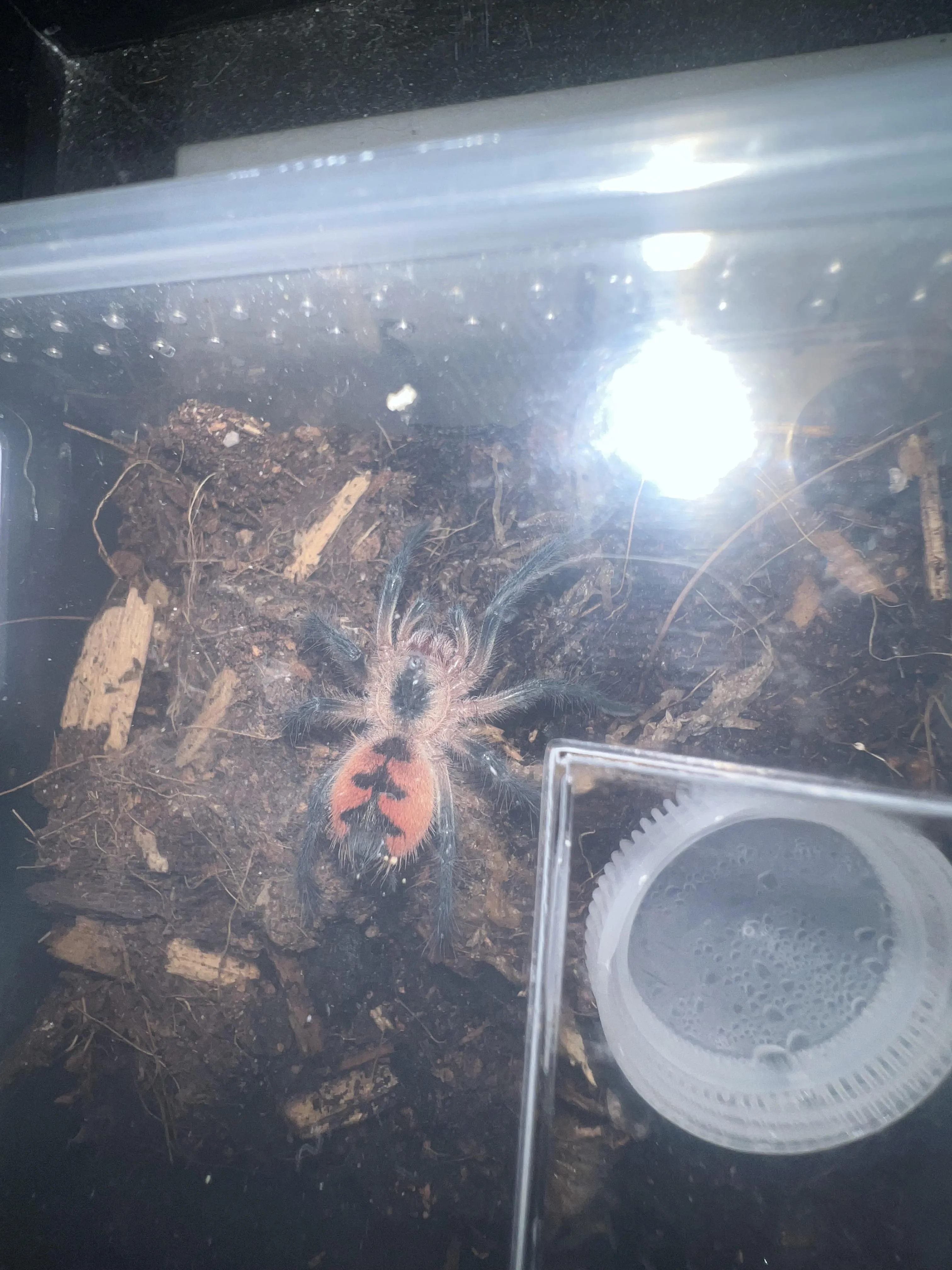
Tarantula slings are essentially baby tarantulas, representing the juvenile stage of these fascinating arachnids. Just like human babies, tarantula slings are considerably smaller than their adult counterparts, and their care requirements differ slightly. Identifying the right tarantula sling is critical for ensuring the health and well-being of your future pet. Understanding the basics of tarantula sling identification is crucial, especially for beginners. This guide will provide you with the knowledge to select a healthy and appropriately identified tarantula sling, setting you up for success in your tarantula-keeping journey. The journey of raising a tarantula begins with choosing the right sling, so lets begin!
Size and Appearance
The size and appearance of tarantula slings are key indicators for identification. Observing these factors carefully can help you differentiate between different species and assess the overall health of the sling. Because these creatures are so small at this stage in their development, even the slightest variation can be very helpful in their identification. Take extra time to make a positive identification.
Body Structure

Examine the overall body structure of the sling. Look for the proportions of the cephalothorax (the combined head and chest) and the abdomen. Healthy slings should have a well-formed body, not too thin or bloated. A plump abdomen often indicates a well-fed sling, while a shrunken abdomen might suggest dehydration or malnourishment. Slings, like adults, should have eight legs and two pedipalps that they use for sensory and manipulation. Check for any missing limbs or deformities, which could indicate a problem. These details can vary slightly based on the species.
Coloration
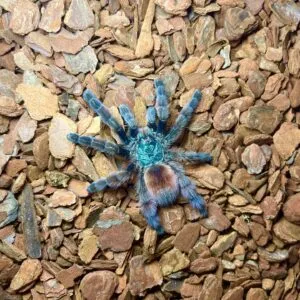
Coloration is a crucial aspect of tarantula sling identification. Many species display unique color patterns even in their juvenile stages. Note the base colors, striping, and any other markings. Brachypelma species, for example, often have distinct leg banding even as slings. Keep in mind that the coloration of slings may differ from that of adult tarantulas, so research the specific species you’re interested in. Color variations are common within different species, so dont base your entire identification on the coloration.
Behavioral Traits
Observing the behavior of tarantula slings provides valuable insights into their species and temperament. While these behaviors can be subtle, they can help differentiate between species. Note how quickly the sling reacts to disturbances and how it moves around its enclosure. For example, some species are naturally more skittish, while others are more docile.
Webbing Habits

Webbing habits can vary significantly among different tarantula species. Some slings are prolific webbers, creating elaborate web retreats. Others prefer to burrow and may create minimal webbing. Observing the webbing habits of a sling can offer clues about its species. Check the enclosure for signs of webbing, such as silk lining the substrate or creating a webbed shelter. It is important to note that the webbing habits can change over time.
Temperament
The temperament of a tarantula sling can vary based on the species, but some general observations can be made. Some species are known for being more defensive or skittish, while others are more docile. Watch how the sling reacts to your presence or to any disturbances in its enclosure. Avoid slings that appear overly aggressive or consistently attempt to bolt. Remember that sling temperaments can be somewhat unpredictable and are not always a reliable identification factor.
Habitat
The habitat of a tarantula sling is a valuable clue for identification. Knowledge of where a specific species originates can help narrow down the possibilities. This is especially important when purchasing a sling, as some species are more prone to certain diseases or have specific environmental needs.
Geographic Origin

Knowing the geographic origin of a tarantula species is a vital element of identification. Different species of tarantulas are native to various regions around the world. Research the typical origin of the tarantula you are interested in. This will help you understand which species are most likely to be available in your area and assist in identifying it correctly. The geographic origin of a species helps with understanding the environmental needs of the species.
Environmental Needs
The environmental needs of a tarantula sling vary depending on its species. Research the typical habitat requirements of the species you are considering. This includes the appropriate temperature, humidity, and substrate for the species. Understanding these needs is crucial for creating a suitable environment for your sling. It is important to provide the appropriate care to ensure the long-term health and well-being of the tarantula sling.
How to Research
Thorough research is essential when identifying tarantula slings. Proper research will increase the odds of correct identification and ensure that you are making a good selection. Several resources are available to help you identify tarantula slings, including breeders, online forums, and species-specific guides.
Reputable Breeders
Reputable breeders are a reliable source for identifying tarantula slings. They often have expert knowledge of the species they breed and can provide accurate information. Look for breeders with a good reputation in the tarantula-keeping community and a willingness to answer your questions. Breeders often have detailed information about the species and can provide a certification of sorts. These are the best locations to find the right tarantula sling.
Online Forums and Communities
Online forums and communities are excellent resources for tarantula identification. Enthusiasts share information, experiences, and photos. You can often post photos of the sling and ask for identification assistance. This is a great place to confirm what you believe the species is, or get different opinions from multiple sources.
Identification Guides
Identification guides, both online and in print, offer valuable information on various tarantula species. These guides often include photos, descriptions, and care tips. Use these guides as a reference to compare the characteristics of the sling with the descriptions of different species. Identification guides are incredibly helpful when trying to determine the species of the sling.
Common Species

Some tarantula species are more popular in the pet trade than others. Familiarizing yourself with these common species can aid in identification. Understanding their distinctive features, behaviors, and care requirements will help you narrow down your choices. Here are a few of the more popular species.
Grammostola
Grammostola species are generally known for their docile temperament and hardiness, making them suitable for beginners. They often have a calm demeanor and are less likely to bite or flick urticating hairs. They come in a variety of colors and patterns, and the slings are fairly easy to identify with a little research. They are generally very easy to care for.
Brachypelma
Brachypelma species, such as the Mexican Red Knee (Brachypelma hamorii) and the Mexican Redleg (Brachypelma emilia), are popular for their striking colors and relatively docile nature. However, they are also known for their urticating hairs, so caution is advised. These slings are fairly easy to identify because they have very prominent leg markings, and the color comes in quite early. They are also relatively easy to care for.
Aphonopelma

Aphonopelma species are primarily found in the southwestern United States. They are known for their varied temperaments, with some species being more docile than others. Identification can be more challenging because they often have similar appearances, so it is important to do your homework. The slings are a little more difficult to identify because of the similarity of appearance. They are considered to be more intermediate level for care.
Avoiding Common Mistakes
Avoiding common mistakes is essential for successful tarantula sling identification. Being aware of potential pitfalls will help you select a healthy and correctly identified sling. These tips are intended to help beginners avoid the most common mistakes when selecting their sling.
Buying from Unreliable Sources
Purchasing a tarantula sling from an unreliable source can lead to misidentification and health issues. Always buy from reputable breeders or pet stores with a solid reputation. Avoid buying from sources that lack knowledge of the species, or those that cannot provide accurate information. Verify the identification with multiple sources, and make sure you know where the sling came from.
Misidentification

Misidentification can occur due to the subtle variations in sling appearance and the lack of experience. Always double-check the identification through multiple sources, and cross-reference the information with identification guides, forums, and expert opinions. If you are unsure, seek help from experienced keepers.
Proper Care Considerations
Proper care is critical for the health and well-being of your tarantula sling. Understanding the specific requirements of the identified species will help you provide the ideal environment for growth and development. Knowing the basic elements of their care can make the difference between a thriving and a dying tarantula sling.
As you can see, identifying the right tarantula sling involves careful observation, research, and a commitment to responsible pet ownership. By following the guidelines provided in this guide, you can confidently select a healthy and correctly identified sling. Enjoy the journey of raising these fascinating creatures!