What is Tarantula Substrate
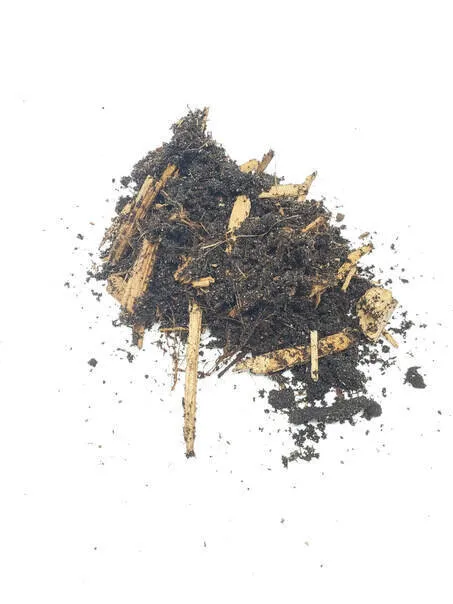
Tarantula substrate is the bedding material that forms the base of a tarantula’s enclosure. It serves multiple vital functions, far beyond mere aesthetics. A suitable substrate provides a comfortable environment for the tarantula, aids in maintaining proper humidity levels, and allows the spider to engage in natural behaviors such as burrowing. The right choice of substrate is crucial for the health and well-being of your tarantula, as it directly impacts its ability to thrive in captivity. Selecting the appropriate substrate involves understanding the tarantula’s specific needs and the properties of different substrate materials.
Importance of Substrate for Tarantulas
The substrate is a cornerstone of tarantula care, playing a multifaceted role in creating a healthy and stimulating environment. It goes beyond just providing a surface for the spider to walk on. The right substrate helps to regulate humidity, which is essential for the tarantula’s respiratory health and successful molting. It also provides a medium for burrowing, allowing the tarantula to express its natural instincts and feel secure. Furthermore, the substrate can act as a buffer, absorbing waste and aiding in the overall cleanliness of the enclosure. Without a proper substrate, a tarantula’s health and well-being can be severely compromised.
Substrate and Humidity

One of the primary functions of a good tarantula substrate is to regulate humidity levels within the enclosure. Many tarantula species come from environments with specific humidity requirements. The substrate helps to maintain these levels by absorbing and releasing moisture. Substrates like coconut fiber and peat moss excel in this role, holding water and slowly releasing it into the air. The ability to maintain the correct humidity is particularly critical during molting. Improper humidity can lead to molting problems, which can be fatal for the tarantula. Monitoring and adjusting the substrate’s moisture content are essential to ensure a healthy environment.
Why Humidity Matters
Humidity is a critical factor in tarantula care, directly impacting the spider’s ability to breathe, molt, and thrive. The right level of humidity prevents dehydration and facilitates the molting process, allowing the tarantula to shed its exoskeleton safely. Low humidity can lead to molting difficulties, while excessively high humidity can promote mold growth and other health issues. Humidity also affects the tarantula’s overall comfort and behavior. A properly humidified environment allows the tarantula to move, eat, and live as it would in its natural habitat. Regularly monitoring the humidity levels with a hygrometer is important for ensuring your tarantula’s health and well-being.
Substrate and Molting
Molting is a natural and essential process for tarantulas, during which they shed their exoskeletons to grow. The substrate plays a crucial role in this process. Proper humidity, maintained by the substrate, is vital for successful molting. If the environment is too dry, the old exoskeleton can become difficult to shed, potentially leading to injury or death. The substrate also provides a surface for the tarantula to grip while molting, allowing it to maneuver and shed its old skin. A suitable substrate will create a stable and humid environment, which allows the tarantula to go through the molt with minimal problems. Make sure not to disturb the tarantula while it is molting.
Choosing the Right Tarantula Substrate

Selecting the right substrate is crucial for the well-being of your tarantula. The best choice depends on a variety of factors, including the tarantula species, its specific needs, and the desired humidity levels. There are numerous substrate options available, each with its own advantages and disadvantages. Consider your tarantula’s natural environment when selecting a substrate. Research the species’ preferred habitat and try to replicate those conditions. By understanding the different substrate options and their properties, you can make an informed decision and create a thriving environment for your tarantula.
Substrate Options
Several substrate options are commonly used in tarantula enclosures, each with its unique characteristics. The best choice depends on the specific needs of your tarantula species and your personal preferences. Commonly used substrates include coconut fiber, peat moss, topsoil, and mixes of these materials. Consider the moisture-retention capabilities, the potential for mold growth, and the ease of maintenance when deciding. It is also important to make sure the substrate is safe for your tarantula, avoiding any materials that could be toxic or harmful.
Coconut Fiber
Coconut fiber, also known as coco coir, is a popular substrate choice for tarantulas. It is made from the husks of coconuts and is readily available in compressed bricks or loose form. Coconut fiber offers excellent moisture-retention properties, making it ideal for maintaining humidity levels in the enclosure. It also provides a natural look and feel, which can enhance the aesthetic appeal of the terrarium. Coco fiber allows for burrowing, so it will allow the tarantula to express its natural behavior. Coconut fiber also resists mold growth when properly maintained. It is generally considered a safe and versatile substrate option.
Pros and Cons of Coconut Fiber

Pros of coconut fiber include its excellent moisture retention, natural appearance, mold resistance, and suitability for burrowing species. It’s a versatile option that can be used for a wide range of tarantula species. Cons include the potential for dustiness, which can be a concern for some keepers and the need for periodic replacement. Some coconut fiber may require rinsing to remove excess salts. Additionally, while mold-resistant, improper maintenance can still lead to mold growth. Overall, the pros generally outweigh the cons for most tarantula keepers.
Peat Moss
Peat moss is another substrate option that is often used in tarantula enclosures. It’s a product of partially decayed plant matter, typically harvested from peat bogs. Peat moss offers good moisture retention and can help maintain humidity levels. It also has a natural, earthy appearance. Peat moss can be used alone or mixed with other substrates like coconut fiber or topsoil. It’s important to note that peat moss can be acidic, so it is not the ideal choice for all tarantula species. It’s also essential to ensure the peat moss is free of pesticides.
Pros and Cons of Peat Moss
Pros of peat moss include its excellent moisture retention, natural appearance, and relatively low cost. It can be a good choice for tarantulas that thrive in more humid environments. Cons include its potential acidity, which can be a concern for some species, and its tendency to compact over time, potentially affecting burrowing behavior. It also can be dusty when dry and may not be as mold-resistant as other options. It is also important to source peat moss responsibly to avoid environmental concerns related to peat bog harvesting.
Topsoil
Topsoil, a blend of organic matter and minerals, can also be used as a substrate for tarantulas. It’s generally affordable and provides a natural environment that promotes burrowing and helps to maintain humidity. The topsoil should be organic, free of pesticides, and preferably sterile to avoid introducing unwanted organisms into the enclosure. Topsoil is often mixed with other substrates, such as coconut fiber or peat moss, to improve drainage and moisture retention. Using topsoil alone might not be the best option because of its potential to compact and retain too much moisture.
Pros and Cons of Topsoil
Pros of topsoil include its affordability, availability, and suitability for burrowing species. It offers a natural look and feel and can contribute to maintaining humidity levels. Cons include the potential for compaction and the need to ensure it is free of pesticides and other harmful substances. Topsoil can also be more prone to mold growth if not properly maintained. You will need to monitor it carefully to ensure proper moisture levels. Furthermore, it may not be the best choice for species requiring very specific humidity or drainage conditions.
Vermiculite and Perlite
Vermiculite and perlite are sometimes added to substrate mixes to improve drainage and aeration. Vermiculite is a mineral that absorbs and retains water, while perlite is a volcanic glass that helps to improve airflow. These materials are not usually used as the primary substrate on their own but are often mixed with other options, like peat moss or topsoil. They can be helpful for tarantula species that need well-draining substrate. Always make sure to use horticulture grade vermiculite and perlite and to rinse them thoroughly before use.
Pros and Cons of Vermiculite and Perlite

Pros of vermiculite and perlite include their ability to improve drainage and aeration, which can help prevent mold growth and create a healthier environment for the tarantula. They can also help regulate humidity levels. Cons include the fact that they are not suitable as the sole substrate and can be dusty if not handled carefully. Furthermore, some keepers find them less aesthetically pleasing than other options. Ensure you use the correct grade of these materials as the ones intended for construction may contain harmful substances.
Substrate Mixes
Combining different substrates can create an optimal environment for your tarantula. Substrate mixes allow you to blend the best properties of each material. For example, mixing coconut fiber and peat moss can provide excellent moisture retention and a natural appearance. Adding a small amount of vermiculite or perlite can enhance drainage and aeration. The ideal mix depends on the specific needs of your tarantula species. Experimenting with different combinations will help you to identify what works best. Always research the specific environmental needs of the species.
How to Mix Substrate
Mixing substrates is a simple process that can significantly enhance the quality of your tarantula’s habitat. You can combine coconut fiber, peat moss, and topsoil, adjusting the proportions to achieve the desired humidity and drainage. Start by moistening the substrates separately, then mix them in a clean container. The substrate should be damp but not waterlogged. The ideal moisture level will vary depending on the species. You may need to adjust the mix based on the enclosure size, ventilation, and your tarantula’s behavior. Test the moisture level before adding the substrate to the enclosure.
Factors to Consider When Choosing

When selecting a substrate for your tarantula, several factors need consideration to create the best possible environment. These include the species of tarantula, its humidity requirements, its burrowing behavior, and the desired substrate depth. Understanding these factors will help you make an informed decision. Prioritize the health and well-being of your tarantula. Ensure you choose a substrate that is safe, non-toxic, and easy to maintain.
Tarantula Species
Different tarantula species have varying environmental needs. Some species prefer drier conditions, while others thrive in humid environments. For example, desert species may require a substrate with good drainage and lower humidity levels, while tropical species need higher humidity and a substrate that retains moisture. Research the specific requirements of your tarantula species before choosing a substrate. Some species, like the Chilean rose, can do well with a dry substrate, while others, such as the Pinktoe, require higher humidity.
Humidity Requirements
Humidity is a crucial factor in tarantula care, and the substrate plays a significant role in regulating it. The humidity requirements vary greatly among tarantula species. Some species require high humidity (70-80%) to thrive, while others prefer drier conditions (50-60%). The substrate should be selected based on the species’ humidity needs. Regularly monitor the humidity levels in the enclosure using a hygrometer. You can adjust humidity by misting the substrate with water, providing a water dish, or adjusting ventilation.
Burrowing Behavior
Many tarantula species are burrowers, meaning they dig and live in burrows. The substrate should be deep enough and suitable for burrowing. Substrates like topsoil, coco fiber, and mixes that include these materials are well-suited for burrowing species. The depth of the substrate depends on the size of the tarantula and its burrowing habits. Provide at least as much substrate depth as the tarantula’s leg span. The substrate should be firm enough to hold the burrows, but not so compacted that the tarantula cannot dig. Always consider the natural behavior of your tarantula.
Substrate Depth
The depth of the substrate is another essential consideration. The appropriate depth depends on the species of tarantula and its burrowing habits. For burrowing species, provide a depth that allows them to create a comfortable burrow, typically at least twice the tarantula’s leg span. For arboreal (tree-dwelling) species, a shallower substrate is often sufficient. Ensure the substrate is deep enough to provide adequate humidity regulation. The correct depth prevents potential injuries and allows the tarantula to feel safe.
Maintaining Tarantula Substrate
Proper maintenance is crucial for keeping your tarantula’s habitat healthy and preventing problems such as mold growth and pest infestations. This involves regular cleaning, substrate replacement, and monitoring of humidity levels. Regular maintenance ensures the substrate maintains its functionality and provides a safe and comfortable environment for your tarantula. Always prioritize the health of your pet through responsible cleaning and maintenance practices. Keep the substrate clean to avoid any diseases.
Cleaning and Replacing Substrate
Regular cleaning and eventual replacement are essential parts of tarantula substrate maintenance. There are two main methods of cleaning: spot cleaning and complete replacement. Spot cleaning involves removing any visible waste, uneaten food, and molted exoskeletons. Complete replacement involves removing all of the old substrate and replacing it with fresh material. The frequency of cleaning and replacement depends on the species, the size of the enclosure, and the rate of waste accumulation. Performing cleaning tasks will increase the overall hygiene of the enclosure, ensuring your tarantula is safe.
Spot Cleaning
Spot cleaning involves removing any visible waste, uneaten food, or molted exoskeletons from the substrate. This helps to prevent mold growth and maintain a clean environment. Spot clean as needed, ideally every few days or weekly, depending on the tarantula’s waste production. Use a pair of tongs or a similar tool to remove debris without disturbing the tarantula. Be careful not to remove any substrate that is part of the tarantula’s burrow. This practice will help maintain a healthy ecosystem.
Complete Replacement
Complete replacement of the substrate is necessary periodically to maintain the health of the enclosure. The frequency of replacement depends on the type of substrate, the size of the enclosure, and the tarantula species. Generally, complete replacement is recommended every 6-12 months for most species, but it can be more frequent for species that produce a lot of waste or live in humid environments. When replacing the substrate, remove all of the old material, clean and disinfect the enclosure, and add fresh, new substrate. Always do this when the tarantula is outside the enclosure.
Preventing Mold and Pests
Preventing mold and pest infestations is a critical part of maintaining a healthy tarantula habitat. Mold can grow in excessively humid conditions, while pests like mites can be introduced through contaminated substrate or food. Prevent mold growth by ensuring proper ventilation, avoiding overwatering, and spot cleaning regularly. Prevent pest infestations by sourcing substrate from a reliable supplier and inspecting it carefully before use. You can also add springtails to your enclosure, which can act as a cleanup crew. Regular maintenance is the best way to keep your tarantula’s enclosure clean and free from problems.
Conclusion
Choosing the right tarantula substrate is fundamental for ensuring the health, well-being, and happiness of your pet. Consider the species, humidity requirements, and burrowing behavior when selecting a substrate. Coconut fiber, peat moss, and topsoil are popular options, each with its own set of pros and cons. By understanding these factors and following the maintenance guidelines, you can create a thriving habitat that will allow your tarantula to flourish. Remember to research the specific needs of your tarantula species and adjust your substrate and maintenance practices accordingly. A well-chosen and maintained substrate is a key component of responsible tarantula care.