Do Tarantulas Swim An Overview
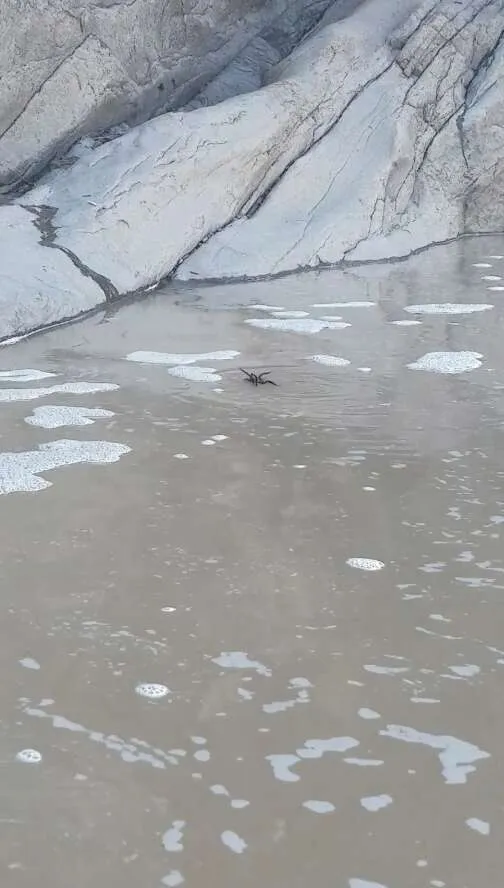
The question of whether tarantulas can swim is a surprisingly complex one, and the answer isn’t a simple yes or no. These fascinating creatures, known for their impressive size and hairy appearance, are not aquatic animals by nature. However, their interactions with water and their ability to navigate it have captured the interest of scientists and enthusiasts alike. This article dives into the intriguing world of tarantulas and their relationship with water, exploring their swimming capabilities, the factors that influence their behavior around water, and some amazing facts that will change the way you see these eight-legged wonders.
Tarantula’s Swimming Abilities What the Research Says
Scientific research provides valuable insights into the swimming abilities of tarantulas. Studies have shown that while tarantulas don’t actively seek out water for swimming, they possess certain physical and behavioral adaptations that allow them to survive in water for a limited time. This ability isn’t a result of specialized swimming structures like those found in aquatic insects. Instead, it’s a combination of factors that enable them to stay afloat and potentially reach safety. Research also highlights the importance of environmental factors, such as water temperature and the presence of predators, in influencing a tarantula’s behavior around water.
Tarantula’s Hydrophobic Nature

One of the key characteristics that help tarantulas interact with water is their hydrophobic nature. Their bodies are covered in tiny hairs, known as setae, which are coated with a waxy substance. This coating repels water, creating a layer of air around the tarantula that helps it to float. The hydrophobic properties of the setae play a critical role in preventing water from penetrating the tarantula’s spiracles, the openings through which it breathes. This characteristic is crucial for survival, allowing them to stay afloat and potentially reach land. The hydrophobic nature is not always perfect, and prolonged exposure to water can still be detrimental.
How Do Tarantulas Navigate Water
When tarantulas find themselves in water, they utilize a combination of physical and behavioral strategies to navigate. They primarily rely on their buoyancy, thanks to their hydrophobic bodies, to stay afloat. They may also attempt to paddle with their legs, but this is not a highly efficient swimming method. Instead, tarantulas tend to spread their legs out to increase their surface area and use their body weight to propel themselves. The direction of the current, the presence of obstacles, and the tarantula’s overall health also significantly affect its ability to navigate in water. They will attempt to reach the closest solid surface or to position themselves to be pushed towards the shore by the current.
The Importance of Surface Tension
Surface tension, the property of a liquid’s surface that allows it to resist external forces, plays a critical role in a tarantula’s ability to interact with water. The hydrophobic setae on the tarantula’s body create a barrier that disrupts the surface tension, allowing the tarantula to float rather than sink. This allows tarantulas to remain on the surface of the water rather than being submerged. This characteristic is a crucial survival mechanism, giving them a chance to reach land or a solid surface. However, the effectiveness of surface tension in supporting a tarantula depends on factors like the water’s composition and the tarantula’s size.
Tarantula’s Swimming Can They Really Swim

The term “swimming” can be a bit misleading when applied to tarantulas. While they can’t swim in the same way as fish or other aquatic animals, they can move across the water’s surface and stay afloat for a considerable time. Their primary method is to use buoyancy, combined with a bit of paddling, to navigate. The extent of their “swimming” ability varies depending on the species, the size of the tarantula, and the conditions of the water. It’s more accurate to describe their aquatic behavior as a form of floating and maneuvering rather than active swimming, however they can survive on water.
Tarantulas Floating How It Works
The ability of a tarantula to float is a marvel of natural engineering, achieved through the intricate interplay of its physical characteristics and the properties of water. Their bodies are designed with a multitude of fine, water-repellent hairs, known as setae, covering their exoskeleton. These setae trap a layer of air against the tarantula’s body. This thin layer of air acts much like a miniature life jacket, providing the necessary buoyancy to keep the tarantula afloat. The surface tension of the water also plays a role, helping to support the tarantula’s weight and preventing it from sinking. These adaptations allow a tarantula to survive in water and gives them a chance to reach land.
Do All Tarantulas Swim
While many tarantulas share the ability to interact with water to some extent, not all species exhibit the same swimming behaviors. Some species are more adept at navigating water than others, and this difference is often related to their natural habitats and the environmental conditions they encounter. For instance, tarantulas that live in areas prone to flooding or near bodies of water may have evolved better adaptations for dealing with water. Size and age also play a role, with larger tarantulas generally having more surface area to create buoyancy. Also, the environmental conditions, such as water temperature and the presence of any type of current, have effects on the swimming abilities of the tarantula.
Different Species Behavior

The behavior of tarantulas in water varies depending on the species, which is tied to their evolutionary background and their natural environment. Some tarantula species, living in environments prone to flooding or situated near water sources, have developed more effective mechanisms for navigating water. This could involve a larger surface area to enhance buoyancy or a stronger capacity to withstand being submerged for a period. In contrast, species from arid regions may exhibit less pronounced aquatic behaviors. Observing the behavior of different tarantula species in water offers a valuable insight into their diverse adaptations and the various ways they’ve evolved to survive.
Tarantula’s Swimming Risks and Benefits
Swimming or being in water poses both risks and potential benefits for tarantulas. On the beneficial side, tarantulas may use water to escape predators, find new habitats, or even to hydrate. However, the risks are significant. Prolonged exposure to water can lead to hypothermia, as their bodies lose heat more rapidly in water. Additionally, the water can damage their respiratory systems, leading to suffocation. Predators in the water, such as fish or other aquatic creatures, also pose a threat. The balance between these risks and benefits determines whether a tarantula will choose to enter or remain in water, which is a crucial survival tactic for these fascinating creatures.
Threats to Tarantulas in Water
Tarantulas face several threats when they enter or are exposed to water. One of the most immediate dangers is drowning, particularly if they are unable to reach a solid surface or if they become exhausted. Hypothermia is another significant risk; their body temperatures drop quickly in the water, which may lead to immobilization or death. The water can also disrupt the tarantula’s respiratory system, hindering their ability to breathe. Furthermore, tarantulas become vulnerable to aquatic predators, which can pose a serious threat. Understanding these threats is key to appreciating the challenges tarantulas face when interacting with water, and also helps us to understand how they have evolved to manage their interactions with water.
Benefits of Water Exposure

Despite the risks, water can also provide some benefits to tarantulas. In hot, dry environments, tarantulas might seek out water sources to hydrate, which is essential for their survival. Water can also serve as an escape route from predators, helping them evade immediate threats. Additionally, the ability to traverse water bodies can allow them to colonize new habitats. The benefits of water exposure are usually limited. The advantages often are short-lived, as they are usually outweighed by the risks that prolonged exposure to water can lead to.
Tarantulas and Their Environment
The environment greatly affects the way tarantulas interact with water. In arid or semi-arid habitats, water is a scarce resource, and tarantulas must be careful to conserve their moisture. In more humid environments, water is more plentiful. The types of water bodies also matter; standing water, like ponds or puddles, is generally more hazardous than flowing water, like streams, due to the risk of trapping the tarantula. Environmental changes, such as rainfall and floods, can also force tarantulas to interact with water, influencing their behavior and survival.
Creating a Safe Environment
For those who keep tarantulas as pets, providing a safe environment is crucial. This includes providing a shallow water dish that the tarantula can easily access and exit. It is important to avoid having deep water sources in the enclosure, as this can pose a drowning hazard. Proper ventilation is necessary to prevent excessive humidity, which may harm the tarantula. Also, by maintaining the correct temperature and humidity levels, you ensure the tarantula remains healthy. Creating a safe environment is paramount to a happy tarantula.
Tarantula’s Swimming Interesting Facts

Here are some amazing facts about tarantulas: Tarantulas can survive in water for some time. Their bodies have hydrophobic properties, making them float. They don’t actively seek out water, but they can navigate it. The ability to swim varies based on the species. Water exposure presents both risks and advantages. Scientists continue to study the aquatic behavior of tarantulas. Their interaction with water is a great example of adaptation.