What is Tarantula Cambodia Street Food
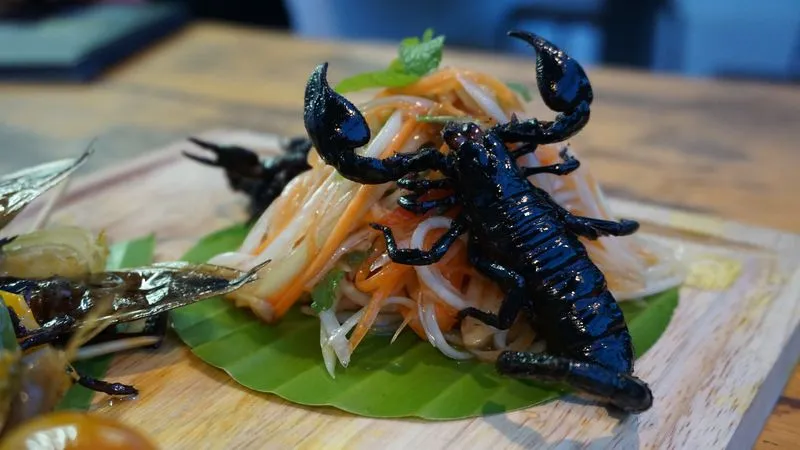
Cambodia’s street food scene is a vibrant tapestry of flavors, textures, and unique culinary experiences, and at the heart of it all, lies a dish that often surprises and intrigues visitors: the tarantula. This isn’t your typical roadside snack; it’s a deep-fried arachnid, a local delicacy, and a symbol of Cambodian culinary heritage. The tarantulas, often the Thai zebra tarantula species, are typically sourced from the wild or, increasingly, from local farms. They are prepared with a variety of seasonings and spices, resulting in a dish that is both visually striking and surprisingly flavorful. For many, this dish offers more than just sustenance; it’s a cultural experience, a chance to connect with Cambodian traditions, and an opportunity to challenge their palates.
The History of Tarantulas as Food
The practice of consuming tarantulas in Cambodia isn’t a modern trend; it’s a tradition with deep roots, particularly in the areas around the town of Skun. Historically, during times of scarcity, such as the Khmer Rouge regime, tarantulas provided a crucial source of protein when other food sources were limited. This necessity evolved into a culinary practice that has endured, becoming an integral part of the local diet. Over time, the consumption of tarantulas has transformed from a survival mechanism into a recognized delicacy, celebrated for its unique taste and cultural significance. Today, it is a symbol of resilience and resourcefulness.
Where to Find the Best Tarantula

For those brave enough to try this unusual delicacy, finding the best tarantulas is key to a memorable experience. The province of Kampong Cham, particularly the town of Skun, is the epicenter of tarantula cuisine. Here, street vendors and small restaurants specialize in this dish, offering a variety of preparation methods. Additionally, tourist hotspots such as Phnom Penh and Siem Reap also offer this dish, often catering to adventurous travelers looking to experience authentic Cambodian cuisine. However, for the freshest and most traditional experience, a visit to Skun is highly recommended, where you can witness the preparation and enjoy the dish in its most authentic form.
Skun Village The Tarantula Hub
Skun village, located in Kampong Cham province, has earned the title of the ‘Tarantula Hub’ of Cambodia. The local economy revolves around the harvesting, preparation, and selling of tarantulas. Visitors to Skun can observe the entire process, from the raw tarantulas being sold in the markets to the street-side vendors expertly frying them to golden perfection. The aroma of frying tarantulas fills the air, creating a sensory experience that is both intriguing and inviting. Skun’s atmosphere is a blend of the exotic and the everyday, offering a glimpse into a unique aspect of Cambodian culture and cuisine.
Tarantula Preparation Methods
The preparation of tarantulas is an art form, honed over generations. The process begins with sourcing live tarantulas, which are then carefully cleaned to remove any dirt or debris. Next, they’re marinated in a mixture of local herbs, spices, and sometimes MSG, to enhance the flavor. The tarantulas are typically deep-fried in hot oil until the legs become crispy and the body turns a deep, rich brown. The exact recipes vary from vendor to vendor, with each having their secret blend of ingredients that add their unique flavor to the dish. The cooking process is quick, ensuring the tarantula is cooked through while retaining its unique texture.
Deep Frying for a Crispy Texture

Deep frying is the most common method of preparing tarantulas, as it provides the desired crispy texture. The tarantulas are submerged in hot oil, usually cooking for a few minutes until the exoskeleton turns a golden brown. This method ensures that the exterior becomes delightfully crunchy, while the interior remains tender. The oil temperature and the duration of frying are crucial factors that determine the final texture of the tarantula. Skilled vendors know precisely how to achieve the perfect balance of crispy skin and moist meat, making the dish so popular.
Marinating for Enhanced Flavor
Marinating the tarantulas is a crucial step in the preparation process, as it infuses the dish with flavor and enhances the overall taste. The marinade typically includes a blend of local herbs, spices, and sometimes sugar or MSG, to add depth and complexity to the tarantula’s flavor. The tarantulas are marinated for a period of time, usually overnight or for several hours, allowing the flavors to penetrate and tenderize the meat. This step is where the vendors’ unique recipes come into play, with each marinade offering a distinct taste profile.
Seasoning and Spices Used
The choice of seasonings and spices is what sets apart one tarantula dish from another. Common ingredients include garlic, salt, chili, sugar, and sometimes pepper or even star anise. These spices are often combined with local herbs to create a unique and balanced flavor profile. The level of spiciness can vary, with some vendors offering tarantulas that are mild, while others deliver a fiery kick. The spices not only add flavor, but they also enhance the aroma and overall appeal of the dish, making it a true culinary delight.
Taste and Texture of Tarantulas
Describing the taste and texture of tarantulas is a challenge, as it’s a unique culinary experience. The texture is often described as a combination of crispy and chewy. The legs and exoskeleton are typically crispy, providing a satisfying crunch. The body, on the other hand, has a softer, chewier texture. The taste itself is often compared to a cross between chicken and crab, with a subtle earthy flavor. The marinade and spices further influence the flavor, adding notes of garlic, chili, and herbs. Each bite offers a new combination of flavors and textures, providing a truly unforgettable culinary adventure.
Nutritional Value of Tarantulas
Beyond its unique flavor profile, tarantulas also offer nutritional benefits. They are a good source of protein, providing essential amino acids that are crucial for building and repairing body tissues. They also contain various vitamins and minerals, including zinc, iron, and phosphorus, all essential for overall health. The nutritional content can vary based on the preparation method and the specific species of tarantula. While tarantulas shouldn’t be considered a staple food, they can be a good addition to a balanced diet, providing a different source of protein and nutrients.
Cultural Significance of Tarantulas
Tarantulas are more than just food in Cambodia; they are an integral part of the culture. The consumption of tarantulas represents a connection to the land, a display of resilience, and a celebration of Cambodian heritage. The dish is often associated with local traditions and festivals, bringing communities together. It also reflects the resourcefulness of the Cambodian people, who have adapted and thrived in various circumstances. Trying tarantula is a way for visitors to connect with the local culture, showing respect for their customs and traditions and embracing the unique culinary experiences Cambodia has to offer.
Tarantulas as a Cambodian Delicacy

Over time, tarantulas have transitioned from a survival food to a recognized delicacy. They are no longer seen as a mere necessity, but as a culinary treasure, valued for their distinct taste and unique cultural significance. The dish is often served at special occasions and is considered a delicacy, especially for tourists. The recognition of tarantulas as a delicacy has also contributed to local economies. It creates opportunities for local vendors and farmers. They can showcase their culinary skills and contribute to the promotion of Cambodian cuisine, increasing tourism in the area.
Tarantulas in Cambodian Cuisine
Tarantulas are prepared and served in a variety of ways, showcasing the versatility of this unique ingredient. The most popular preparation is deep-fried, but tarantulas are also used in other dishes, such as soups, stir-fries, and even curries. The dish is often enjoyed with rice and a variety of dipping sauces. The use of tarantulas in Cambodian cuisine extends beyond just a simple snack; they are incorporated into complete meals. Each preparation method offers a different flavor profile and experience, allowing the tarantula to be enjoyed in new and exciting ways.
Safety Tips for Eating Tarantulas
While eating tarantulas is generally safe, it’s important to be aware of potential risks and follow some safety tips. Choose reputable vendors known for their hygiene and food safety practices. Ensure the tarantulas are cooked thoroughly to kill any potential parasites or bacteria. Avoid eating the internal organs, as they may contain toxins. If you have allergies to shellfish or insects, exercise caution, as tarantulas may trigger a similar reaction. When in doubt, consult with a local guide or a trusted source for advice on food safety practices.
How to Choose Safe Tarantulas

When choosing where to eat tarantulas, prioritize hygiene and vendor reputation. Opt for vendors who cook their tarantulas fresh and have a clean preparation area. Observe the cooking process to ensure the tarantulas are cooked thoroughly. Look for vendors who are transparent about their sourcing and preparation methods. Don’t hesitate to ask questions about the ingredients, the cooking process, and the vendor’s food safety practices. Trust your instincts; if something doesn’t seem right, choose another vendor.
Potential Health Risks
Although generally safe, eating tarantulas does carry some potential health risks. The main concern is related to allergies. People with allergies to shellfish or other insects may experience an allergic reaction. Additionally, if the tarantulas are not cooked properly, they could contain parasites or bacteria that may cause illness. It’s also advisable to avoid the fangs, as they are not cooked, and could cause harm. If you experience any adverse reaction after eating a tarantula, such as hives, swelling, or difficulty breathing, seek medical attention immediately.
Top 5 Cambodia Street Food Tarantula Dishes
Cambodia’s street food scene offers many ways to try tarantulas. Here are the top 5 dishes that showcase the versatility and flavor of this unique ingredient.
Deep Fried Tarantula with Garlic

This is the classic way to enjoy tarantulas. The tarantulas are deep-fried until crispy, and then seasoned with garlic, salt, and chili. The result is a simple yet delicious snack, with the crispy exoskeleton contrasting with the tender body. The garlic adds a savory aroma and a boost of flavor, making it a favorite among locals and tourists alike.
Tarantula Skewers Grilled
Tarantulas are skewered and grilled over an open flame, which gives them a smoky flavor. The tarantulas are often marinated in a mixture of herbs and spices before grilling, adding depth and complexity to the flavor. Grilling provides a different texture from deep frying, offering a slightly chewy exterior with a tender inside. This dish is perfect for those who love a more intense flavor profile.
Tarantula with Chili and Spices
For those who love a spicy kick, tarantulas with chili and spices are a must-try. The tarantulas are stir-fried with a generous amount of chili, garlic, and other spices. The dish provides a fiery punch, and the tarantulas absorb the flavors of the spices, creating an explosion of taste in every bite. It’s a dish that’s guaranteed to awaken your taste buds.
Tarantula and Rice Dishes

Tarantulas are sometimes served as part of a rice dish. The tarantulas are cooked with the rice, absorbing all the flavors, or served alongside the rice as a side. This offers a more substantial meal. The combination of rice and tarantulas provides a balanced meal, perfect for those looking to try the dish in a more filling way.
Tarantula in a Cambodian Curry
Tarantulas are sometimes incorporated into Cambodian curries, adding a unique protein element to this traditional dish. The tarantulas are simmered in a rich coconut milk-based curry, infused with various herbs and spices. The curry complements the tarantulas’ flavor, offering a complex and satisfying culinary experience. This dish showcases how tarantulas can be used creatively in Cambodian cuisine, blending the flavors of the earth with the exotic.
Enjoying the Tarantula Experience
Trying tarantula is an experience, a chance to expand your culinary horizons and embrace a unique aspect of Cambodian culture. Be open-minded, try to savor each bite, and embrace the adventure. The taste and texture may be unfamiliar, but the experience of trying something new is often the most rewarding part. It is an opportunity to immerse yourself in a culture that values tradition and resourcefulness.
Tips for First-Timers
If you’re trying tarantula for the first time, start slow and take small bites. Focus on the texture and the blend of flavors. Pair it with a refreshing drink, such as a cold beer or a local soda, to cleanse your palate. Don’t be afraid to ask questions about the preparation, the ingredients, and the best way to enjoy the dish. Most importantly, be open to the experience and enjoy the adventure.
Pairing Tarantulas with Drinks
The flavors of tarantulas pair well with a variety of drinks. A cold beer is a popular choice, as it cuts through the richness of the deep-fried tarantulas and cleanses the palate between bites. Local sodas, such as those flavored with tropical fruits, can also complement the dish. For a more adventurous pairing, try a local spirit or a glass of wine, which will allow you to fully enjoy the flavors. Ultimately, the best drink to pair with tarantulas is the one you enjoy most.
Where to Find Tarantula in Cambodia
The most authentic place to find tarantula in Cambodia is Skun, the tarantula hub. You can also find it in tourist destinations such as Phnom Penh and Siem Reap, though the experience might not be the same. Check local markets, street food vendors, and small restaurants. Remember to choose reputable vendors to ensure a safe and enjoyable experience. Enjoy the culinary adventure and the opportunity to immerse yourself in the rich tapestry of Cambodian cuisine.