Understanding Tarantula Veterinary Care
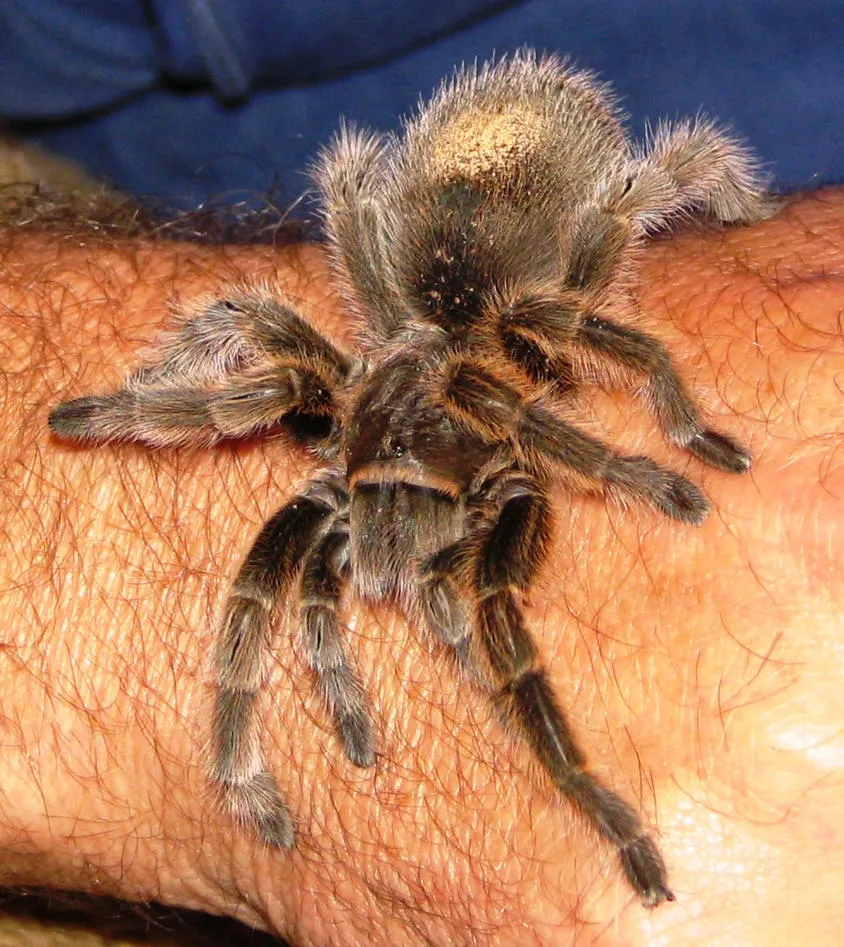
Tarantulas, fascinating creatures that they are, require specialized care to thrive. Veterinary care for these exotic pets is crucial for their well-being, just as it is for more common domestic animals. This guide delves into the essential aspects of tarantula veterinary care, providing owners with the knowledge to keep their eight-legged friends healthy and happy. Understanding the nuances of their care is the first step in ensuring a long and fulfilling life for your tarantula. Proper veterinary care significantly contributes to a healthier and happier tarantula.
Why is Veterinary Care Important for Tarantulas?
Unlike dogs and cats, tarantulas are not commonly seen by veterinarians. However, they still require professional medical attention when problems arise. Regular check-ups, though not as frequent as with other pets, can help detect potential health issues early. A vet can provide valuable insights into the tarantula’s overall health, recommend preventative measures, and offer treatments for illnesses or injuries. Veterinary care ensures a higher quality of life and can even extend a tarantula’s lifespan. Regular vet visits help you build a relationship with an exotic animal vet which can make a difference when an emergency strikes.
Identifying Common Tarantula Health Issues

Tarantulas, like all living beings, are susceptible to health problems. Identifying these issues early is key to successful treatment. Common problems include parasitic infections, injuries from falls or bites, and complications during molting. Symptoms can range from lethargy and loss of appetite to physical deformities. Knowing what to look for is critical. Early detection greatly increases the chances of a full recovery and prevents more serious complications. Being vigilant and observant is essential.
Top 7 Veterinary Care Tips for Tarantula Owners
Tip 1 Proper Habitat and Environmental Control
A tarantula’s habitat is crucial for its health. Creating an environment that mimics their natural habitat is essential. This involves carefully controlling temperature, humidity, and ventilation. A well-maintained enclosure reduces stress and minimizes the risk of disease. A proper habitat provides a safe and comfortable living space, which is the foundation for a healthy tarantula. Proper environmental control plays a vital role in preventing health issues.
Maintaining Optimal Temperature

Tarantulas are ectothermic, meaning they rely on external sources to regulate their body temperature. Maintaining the correct temperature range is essential for their metabolism and overall health. Use a reliable thermometer to monitor the temperature inside the enclosure. Heating pads or lamps can be used, but always be cautious to avoid overheating. The ideal temperature varies by species but generally falls between 75-85°F (24-29°C). Consistent temperatures are paramount.
Controlling Humidity Levels
Humidity levels are equally important. High or low humidity can lead to health problems like respiratory infections or molting difficulties. Use a hygrometer to measure humidity levels. The required humidity varies by species, but generally, a range of 60-80% is suitable. This can be achieved by misting the enclosure with water, providing a water dish, and using appropriate substrate. Constant monitoring is key to preventing health issues related to humidity.
Providing Adequate Ventilation
Good ventilation is crucial to prevent the buildup of harmful bacteria and maintain air quality. Ensure your tarantula’s enclosure has adequate ventilation, such as cross-ventilation provided by air holes. Avoid overcrowding the enclosure, which can restrict airflow. Proper ventilation also helps to control humidity and prevent mold growth. Poor ventilation can cause various health complications. Careful attention to ventilation is often overlooked but vital for a healthy spider.
Tip 2 Nutritional Needs and Feeding Practices

Proper nutrition is essential for a tarantula’s health and growth. Tarantulas are carnivores and require a diet of insects. Providing a balanced diet and following appropriate feeding practices are vital. Avoid feeding your tarantula insects that have been exposed to pesticides. Also, remove any uneaten food to prevent mold and mites. Feeding correctly ensures your tarantula receives the necessary nutrients and prevents health problems associated with poor diet.
Choosing the Right Diet
The best diet for a tarantula typically consists of insects such as crickets, roaches, mealworms, and super worms. The size of the insects should be appropriate for the size of the tarantula. Varying the diet can provide a broader range of nutrients. Dusting the insects with a calcium and vitamin supplement can also be beneficial. Always provide fresh, unexpired food to your tarantula. Research your tarantula’s specific dietary needs to make sure it gets the required nutrition.
Feeding Frequency and Portion Size
The feeding frequency depends on the tarantula’s age and species. Spiderlings need to be fed more frequently, while adult tarantulas can be fed less often. Overfeeding can lead to obesity and other health problems, while underfeeding can cause stress and stunted growth. Observe your tarantula’s feeding habits. A healthy tarantula will readily consume its food. Adjust the portion size to meet the tarantula’s needs, and avoid overfeeding.
Ensuring Clean Water Supply

Clean water is essential for hydration. Provide a shallow water dish in the enclosure. Change the water regularly to prevent bacterial growth. Use a water dish that’s easily accessible but shallow enough to prevent the tarantula from drowning. Some tarantula owners prefer using water crystals for the humidity. Regular water changes are a simple but important aspect of tarantula care. This simple step can prevent many health issues.
Tip 3 Recognizing Signs of Illness
Early detection is crucial for successful treatment. Owners need to be vigilant and observant, noting any changes in behavior or appearance. Recognizing the symptoms of illness is essential for prompt veterinary intervention. Familiarize yourself with the signs of common illnesses. Early intervention can make a huge difference in the tarantula’s chances of recovery. Being informed helps the owner spot potential problems.
Lethargy and Unusual Behavior
Lethargy, or a lack of energy, is often the first sign of illness. A tarantula that is normally active but becomes sluggish could be ill. Unusual behavior, such as spending excessive time in one corner of the enclosure, or a lack of response to stimuli, is another sign. Keep track of your spider’s normal activity levels, so you can quickly spot any changes. Such changes are often the earliest warning signs of potential health problems.
Changes in Eating Habits

A sudden loss of appetite is often a sign of illness. A tarantula that refuses to eat, or that eats only a small portion of its food, should be monitored closely. Changes in appetite can indicate various health problems, including parasites or infections. Observe how much and how often your tarantula eats. These changes often signal health problems that need prompt attention. Be quick to notice changes in your tarantula’s feeding patterns.
Physical Abnormalities
Physical abnormalities, such as swelling, lesions, or unusual discoloration, can indicate a health problem. Examine your tarantula regularly for any physical changes. Check for injuries from falls or bites. These changes, like a swollen abdomen or strange bumps, are potential signs of an illness. Physical anomalies can be very telling. Report them to your veterinarian as soon as possible.
Tip 4 Finding a Qualified Tarantula Veterinarian
Finding a vet who specializes in exotic animals, especially tarantulas, is crucial. Not all vets have experience with arachnids. Research and locate an experienced exotic animal veterinarian in your area before an emergency arises. Having a vet lined up beforehand offers significant peace of mind and allows you to respond quickly when needed. A vet knowledgeable in tarantulas will better serve your pet’s needs.
Researching Exotic Animal Vets

Start by searching online for exotic animal veterinarians in your area. Look for vets who specialize in arachnids or have experience with reptiles and invertebrates. Check online reviews and testimonials. Speak to other tarantula owners for recommendations. Finding a good vet takes some work. Many vets will also provide some basic care information. Asking friends and online groups will greatly assist in your search.
Checking Credentials and Experience
Once you’ve identified potential vets, check their credentials and experience. Confirm that they are licensed and have the appropriate qualifications. Inquire about their experience with tarantulas. A vet with experience with these animals can provide better care. Verify their experience and check their education, and credentials. Always choose a vet with demonstrated experience.
Preparing for the Vet Visit
When you have identified a suitable veterinarian, prepare for the first visit. Ask what information they need prior to the visit. Make a list of any symptoms or concerns you have noticed. Prepare a container for safe transport of your tarantula. Write down the tarantula’s species, age, and any recent changes to its environment. Being prepared can help ensure a smooth visit. Bring all the needed information.
Tip 5 Proper Handling and Transporting Your Tarantula
Handling and transporting a tarantula requires caution and preparation. Improper handling can result in injury to both the tarantula and the handler. Always prioritize the safety of your pet during the trip. Safe handling techniques and secure transport are key to minimizing stress and preventing harm. Learning proper techniques is crucial.
Safe Handling Techniques
Tarantulas are delicate creatures. Avoid handling them unless necessary. If you need to handle your tarantula, do so gently. Use a soft brush to coax it into a container or a clean area. Avoid squeezing or dropping the tarantula. Always supervise children when handling a tarantula. Proper handling protects both you and your pet from harm. Handle gently and with proper care.
Transporting in a Secure Container
When transporting your tarantula, use a secure container, like a deli cup with ventilation. Ensure the container is appropriately sized for the tarantula. The container should have a secure lid to prevent escape. Line the container with a soft substrate, such as paper towels, to provide a comfortable surface. Proper containment prevents escape. Always prioritize safety during transport.
Minimizing Stress During Transport
Transporting a tarantula can be stressful. Keep the transport time as short as possible. Maintain a consistent temperature during the trip. Avoid direct sunlight and drafts. Place the container in a quiet area of the car. Reduce handling and disturbances during transport. Try to make the environment as calm as possible during the journey. Be mindful of the spider’s wellbeing. Keep transport brief and stress-free.
Tip 6 Preventative Healthcare Measures
Preventative care is critical for maintaining a tarantula’s health. Regular habitat cleaning, quarantine protocols, and monitoring the molting process are important preventative measures. Proactive steps can significantly reduce the risk of illness and injury. Preventative care makes all the difference in their lifespan. Following a regular care plan is key.
Regular Habitat Cleaning
Clean the enclosure regularly to remove waste and uneaten food. This helps prevent bacterial growth and mite infestations. Remove any old molts. Replace the substrate periodically. Regular cleaning is essential to keep the enclosure healthy. Always follow cleaning protocols to create a clean environment. Proper cleaning leads to a healthy environment.
Quarantine New Tarantulas
When introducing a new tarantula to your collection, quarantine it for a period of time. Quarantine can help prevent the spread of disease. Keep the new tarantula in a separate enclosure. Observe the spider for any signs of illness. Quarantine prevents any spread of illness. Isolation helps protect the other tarantulas in your collection. Implement quarantine practices when you add any new pet.
Monitoring Molting Process
Molting is a natural process for tarantulas. It involves shedding their exoskeleton as they grow. Monitor the molting process closely. Provide adequate humidity and avoid disturbing your tarantula during this time. If the tarantula appears to have problems molting, consult a veterinarian. Recognizing the process is key to prevent problems. Molting issues are common. It is always essential to offer support during molting.
Tip 7 When to Seek Immediate Veterinary Attention
Knowing when to seek immediate veterinary attention is crucial. Certain symptoms require immediate intervention to prevent severe health consequences. Prompt action can save a tarantula’s life. Don’t hesitate to seek help. A vet can provide the necessary interventions to ensure the best possible outcomes. Be aware of conditions requiring urgent vet visits.
Severe Injuries
Severe injuries, such as a ruptured abdomen or broken legs, require immediate veterinary attention. These injuries can cause significant pain and lead to infection. If you see such a major injury, seek help immediately. Such injuries often require immediate medical care. Quickly addressing these injuries makes all the difference.
Prolonged Lethargy or Loss of Appetite
If your tarantula is lethargic or has lost its appetite for an extended period, consult a veterinarian. These can be signs of serious underlying conditions. A loss of appetite, with lethargy, may point to a larger issue. The longer the symptoms persist, the more serious the potential cause. Seek medical assistance if it continues longer than a few days.
Difficulty Molting
Difficulty molting, called dysecdysis, is a potentially life-threatening condition. If your tarantula is struggling to shed its exoskeleton, seek immediate veterinary assistance. The inability to molt can result in fatal consequences. Immediate assistance is essential. Prompt action is key to saving your pet.
Conclusion
Providing proper veterinary care is a key part of being a responsible tarantula owner. By understanding the importance of veterinary care, identifying potential health issues, and following the tips outlined above, you can ensure your tarantula lives a long, healthy, and fulfilling life. Remember that your dedication to the well-being of your tarantula is one of the most important things. Regular checkups can make all the difference, and a happy spider means a happy owner. Consistent and attentive care will result in a long and rewarding experience.