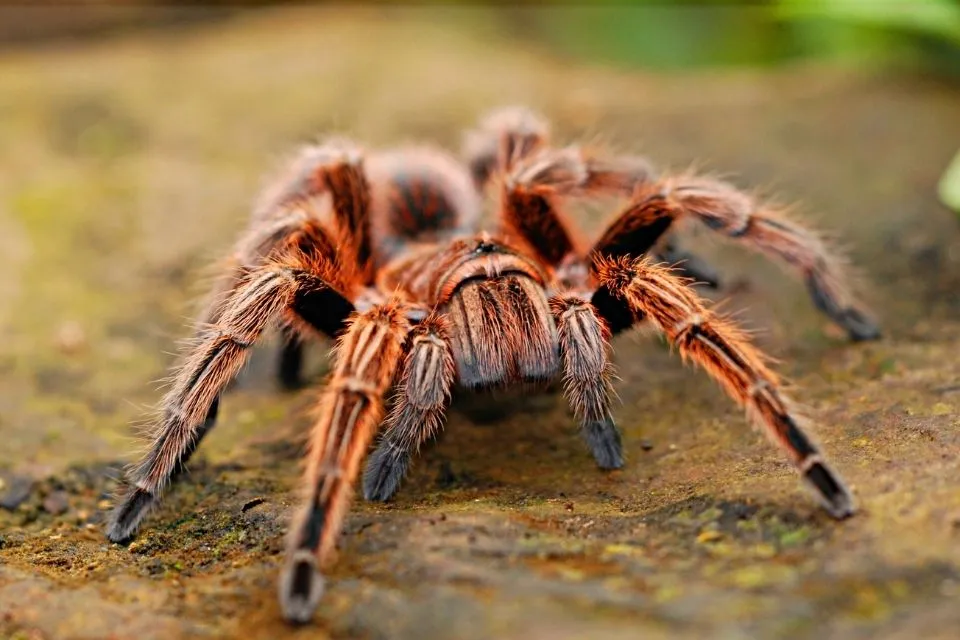
Tarantula vs Dog 5 Shocking Facts
The animal kingdom is filled with incredible creatures, each with its own unique set of strengths, weaknesses, and behaviors. A tarantula and a dog, at first glance, seem to exist in entirely different worlds. One is a hairy, often intimidating arachnid, and the other, a loyal companion, beloved by humans for centuries. But what would happen if we put them head-to-head? This article delves into a fascinating comparison of a tarantula versus a dog, exploring five surprising facts that shed light on their contrasting characteristics. From size and strength to venom and social behavior, prepare to be amazed by what makes these creatures tick. Get ready to discover some shocking revelations about these vastly different species.
Size and Strength
The first and most obvious difference between a tarantula and a dog is their size. Dogs vary widely in size depending on the breed, from the tiny Chihuahua to the towering Great Dane. Tarantulas, on the other hand, are relatively smaller, though some species can have impressive leg spans. The impact of size on a potential encounter is significant, shaping the dynamic between the two creatures. Size directly influences strength and the ability to inflict harm or defend oneself. It also plays a role in hunting strategies and the overall survival capabilities of each animal. Understanding these differences is critical to understanding their survival strategies.
Tarantula’s Physique

Tarantulas are built for stealth and ambush. Their bodies are covered in hairs, some of which are urticating hairs used for defense. They are equipped with fangs designed to inject venom into their prey. Tarantulas possess a powerful bite relative to their size, capable of delivering a painful, though usually not life-threatening, bite to humans. Their eight legs, covered in sensory hairs, help them navigate their environment and detect vibrations. Tarantulas are generally slow movers, relying more on their camouflage and ambush tactics than speed. This physique is well-suited for their lifestyle as solitary predators, adapted for hunting insects and small animals.
Dog’s Physical Capabilities
Dogs, as descendants of wolves, have a robust physique adapted for a variety of tasks, from herding livestock to running marathons. Their size varies dramatically by breed, but they typically possess a strong skeletal structure, powerful muscles, and sharp teeth. Dogs are built for speed, endurance, and agility. Their ability to run, jump, and maneuver makes them effective hunters and capable of defending themselves. Dogs possess a powerful bite force, which can be significantly higher than that of a tarantula, varying by breed. Their physical capabilities are enhanced by their social nature and the ability to work in packs, making them formidable adversaries or loyal companions, depending on the situation.
Venom and Bite
The ability to deliver a bite and the presence of venom are critical factors in a tarantula versus dog scenario. Both have the capacity to bite, but the nature and effects of their bites differ significantly. The severity of a bite depends on various factors, including the size of the animal, the potency of the venom, and the area affected. Understanding the properties of their bites is essential for assessing their potential impact.
Tarantula’s Venom

Tarantulas inject venom through their fangs. The primary purpose of this venom is to immobilize prey, like insects and small rodents, allowing the tarantula to consume them. While tarantula venom can be painful to humans, it is rarely fatal. The effects typically include pain, swelling, and muscle cramps, similar to a bee sting. The potency of the venom varies among different species of tarantulas. For a dog, a tarantula bite might cause discomfort, but it’s unlikely to pose a serious threat, though a large number of bites or allergic reaction might have sever impact.
Dog’s Bite Force
Dogs possess a powerful bite force, far exceeding that of a tarantula. The bite force of a dog varies depending on its breed, but larger breeds can exert significant pressure. This bite force, combined with the dog’s sharp teeth, can cause severe tissue damage. The potential consequences of a dog bite on a tarantula are far more dire. The dog’s bite could easily crush or kill the tarantula. The bite, combined with the dog’s size and strength, gives the dog a clear advantage in a direct physical confrontation.
Habitat and Environment
The environments in which tarantulas and dogs thrive play a crucial role in shaping their behavior and survival strategies. Their preferred habitats and the resources they have available influence everything from their diet and hunting patterns to their interactions with other species. Comparing their environmental needs highlights their adaptability and how they exploit different ecological niches. The availability of food, shelter, and the presence of predators all contribute to the lives of these animals.
Tarantula’s Natural Habitat

Tarantulas are primarily found in warm, humid climates. They inhabit diverse environments, including tropical rainforests, deserts, and grasslands. They often create burrows or live in crevices, where they can ambush prey. Tarantulas require specific temperature and humidity levels to survive. They are sensitive to changes in their environment and can be vulnerable to habitat destruction. Their habitat preference greatly influences their lifestyle and the kinds of predators they encounter. They are nocturnal, emerging primarily at night to hunt or engage in other activities.
Dog’s Adaptability
Dogs are highly adaptable animals, found in nearly every habitat on Earth. Their ability to thrive in diverse environments is a testament to their resilience and their close relationship with humans. Dogs have been bred for specific purposes, resulting in a wide range of adaptations to different climates and terrains. They can survive in freezing conditions or scorching deserts. Their adaptability extends to their diet and social behavior. They can eat a variety of foods and readily form bonds with humans, making them successful in various settings.
Hunting and Predatory Behavior
Both tarantulas and dogs are predators, but their hunting strategies differ significantly. Tarantulas employ ambush tactics and venom to subdue their prey, while dogs may use a combination of speed, strength, and teamwork. Their predatory behaviors reflect their distinct physical and social characteristics. The differences in hunting strategies illustrate the evolutionary adaptations that have allowed them to survive and thrive in their respective environments.
Tarantula’s Hunting Strategies

Tarantulas are ambush predators. They typically wait in their burrows or hidden locations for prey to come within striking distance. They use their chelicerae (fangs) to inject venom into their prey. They also employ sensory hairs on their legs to detect vibrations, which helps them locate potential meals. Tarantulas hunt a variety of insects, small rodents, and other invertebrates. Their hunting strategies are a product of their slow movement and solitary nature, allowing them to conserve energy and increase their chances of a successful hunt. Their hunting depends on patience and precision.
Dog’s Predatory Instincts
Dogs, as descendants of wolves, retain strong predatory instincts. These instincts are most apparent in their hunting behavior, play, and interactions with other animals. Some dog breeds have been specifically bred for hunting, exhibiting exceptional tracking, chasing, and retrieving skills. Dogs utilize speed, stamina, and, in some cases, teamwork to hunt their prey. The intensity of these instincts varies from breed to breed, but all dogs have the capacity for predatory behavior. The presence or absence of human influence is a huge factor as well.
Social Behavior and Interaction
The social dynamics of tarantulas and dogs differ fundamentally. Tarantulas are generally solitary creatures, while dogs are social animals that thrive in packs or with human companions. These differences in social behavior have a significant impact on their survival strategies and their interactions with other species. Their social structures dictate the way they interact with their environment and other animals.
Tarantula’s Solitary Nature

Most tarantulas are solitary animals. They typically live alone, only interacting with others during mating. Tarantulas are territorial and will defend their space from other tarantulas. Their solitary lifestyle is linked to their ambush hunting strategy. They do not need to cooperate to hunt. This independent behavior affects their interactions with other animals, including dogs. A tarantula is more likely to avoid an encounter than to engage.
Dog’s Social Structure
Dogs are highly social animals, living in packs or with humans. Their social behavior is crucial to their survival and their ability to hunt and defend themselves. Dogs have a complex social hierarchy, with clear roles and communication systems. They form strong bonds with their pack members, displaying loyalty and cooperation. This social structure has played a significant role in their domestication and their ability to live harmoniously with humans. The dog is naturally inclined to interact, investigate, and play.
In conclusion, the comparison of a tarantula versus a dog reveals a fascinating study of contrasts. Their differences in size, strength, venom, habitat, and social behavior highlight the diverse strategies animals use to survive. While a direct physical confrontation is unlikely to favor the tarantula, the unique characteristics of each species are crucial to understanding their place in the animal kingdom. Whether you are a fan of the furry or the eight-legged, appreciating these differences allows a deeper understanding of the incredible diversity of life on Earth.