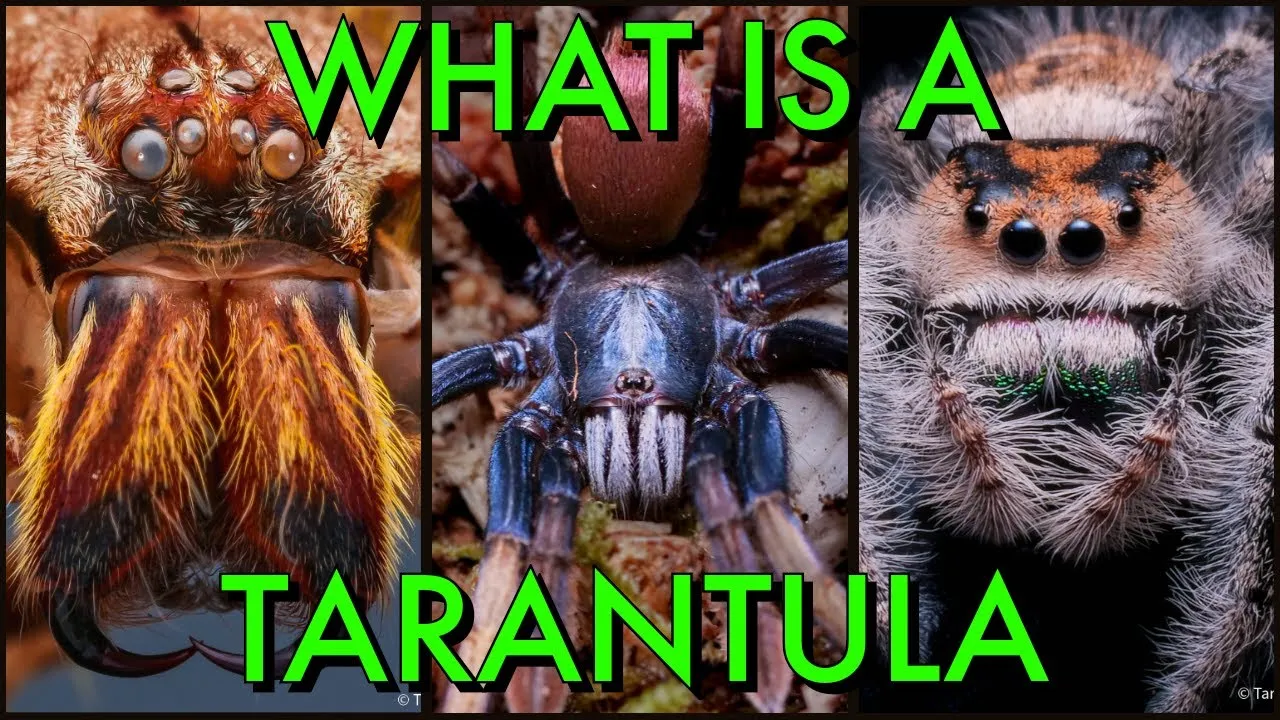
What is a Tarantula?
Tarantulas are large, hairy spiders belonging to the Theraphosidae family. They are known for their impressive size, often with leg spans that can reach over 10 inches. These fascinating creatures are found in various habitats around the world, from tropical rainforests to arid deserts. They are primarily nocturnal hunters, relying on their venom to subdue prey. Despite their intimidating appearance, most tarantulas are relatively harmless to humans, with their bites being comparable to a bee sting. They are popular pets, admired for their beauty and intriguing behaviors.
Tarantula Characteristics
Tarantulas possess a unique set of characteristics that distinguish them from other spiders. Their large size is perhaps the most noticeable trait. They have a generally docile nature, although they can be defensive if provoked. Their bodies are covered in hairs, some of which are urticating hairs, which they can flick to deter predators. They have a diverse diet, including insects, small vertebrates, and sometimes even fruits. They also have a relatively long lifespan compared to other spiders, with females often living for over 20 years.
Physical Features

Tarantulas are easily identifiable by their physical features. They have two main body parts cephalothorax and abdomen. The cephalothorax contains the eyes, mouthparts, and legs. The abdomen houses the internal organs and spinnerets, used for producing silk. Their legs are thick and sturdy, adapted for walking, climbing, and digging. They possess chelicerae, which are mouthparts used for biting and injecting venom. Many species display vibrant colors and patterns, making them visually striking creatures.
Habitat and Behavior
Tarantulas are found in a wide array of habitats. Depending on the species, they may live in burrows in the ground, under rocks, or in trees. They are generally solitary creatures, only coming together to mate. They are ambush predators, patiently waiting for prey to come within striking distance. They use their venom to paralyze their prey before consuming it. Many species are nocturnal, being most active at night. They are also known to molt, shedding their exoskeleton as they grow.
What is a Spider?
Spiders are a diverse group of arachnids, with over 49,000 species worldwide. They are found in virtually every terrestrial habitat. Spiders are characterized by their ability to produce silk, which they use for various purposes, including building webs, creating egg sacs, and wrapping prey. They are important predators in most ecosystems, playing a crucial role in controlling insect populations. While some spiders are venomous, only a small percentage pose a threat to humans. Their remarkable adaptations and behaviors have made them a subject of fascination for scientists and nature enthusiasts alike.
Spider Characteristics

Spiders possess a wide range of characteristics that vary depending on the species. They have two main body parts, the cephalothorax and abdomen. Most spiders have eight eyes, though the arrangement and number can vary. They use their spinnerets to produce silk, which is incredibly strong and versatile. Their diets consist primarily of insects and other small invertebrates. Many spiders are known for their intricate webs, which they use to capture prey. Their reproduction methods involve complex mating rituals and the production of egg sacs to protect their young.
Physical Features
Spiders exhibit a variety of physical features. Their size ranges from tiny to relatively large. Their bodies are covered in a hard exoskeleton. They have eight legs, each with specialized claws for climbing and walking. They have chelicerae, which are modified mouthparts used for biting and injecting venom. Their eyes vary in size and number, depending on the species and their hunting strategies. They also have pedipalps, which are small appendages near the mouth that help with sensing and manipulating prey.
Habitat and Behavior
Spiders are found in a vast array of habitats, from deserts to forests and even aquatic environments. Their behaviors are as diverse as their habitats. Some build intricate webs to trap prey, while others are active hunters that stalk their targets. They use their silk to create webs, build retreats, and protect their eggs. They employ various hunting strategies, including ambush predation, active pursuit, and the use of venom to subdue prey. Their complex mating rituals and parental care add to their fascinating behaviors.
Tarantula vs. Spider Key Differences

Size and Appearance
One of the most obvious differences between tarantulas and spiders is size. Tarantulas are generally much larger than most spider species, often having leg spans exceeding several inches. They also tend to be more heavily built, with thicker legs and a bulkier body. While many spiders are slender and have a more delicate appearance, tarantulas are often covered in dense hairs, giving them a fuzzy appearance. Their coloration and patterns also vary greatly among species, with both spiders and tarantulas displaying a wide range of colors and markings.
Web Building
Web building is a significant difference between tarantulas and many other spiders. While spiders are renowned for their intricate webs, tarantulas typically do not build elaborate webs. They may use silk to line their burrows or create simple webs for trapping prey, but they do not construct the complex, three-dimensional webs that are characteristic of many spider species. Instead, tarantulas are often ambush predators, relying on their size and speed to catch prey. They are more likely to hunt on the ground or in crevices, while many spiders use their webs as a primary hunting tool.
Venom and Bite

Both tarantulas and spiders are venomous, but the potency and effects of their venom can vary. Tarantula bites are generally not considered dangerous to humans, with the venom typically causing only mild symptoms, such as localized pain and swelling. In contrast, the venom of some spider species can be highly toxic, leading to severe symptoms, and in rare cases, even death. It is important to note, however, that most spider bites are not life-threatening. The primary function of spider and tarantula venom is to subdue prey. The effects of the bite depend on the species and the individual’s sensitivity.
Lifespan
Lifespan is another key difference. Tarantulas have a significantly longer lifespan than most spiders. Female tarantulas can live for over 20 years, while males typically have a shorter lifespan. Most spiders have a lifespan of only a few months to a couple of years, though some species can live longer. This difference is related to their growth rate, metabolism, and other factors. The long lifespan of tarantulas contributes to their popularity as pets, as they can provide companionship for many years.
Habitat and Diet
While both tarantulas and spiders are found in diverse habitats, their preferred environments can differ. Tarantulas are often found in terrestrial habitats, such as grasslands, deserts, and forests, while many spiders have adapted to a wider variety of environments, including aquatic and arboreal settings. Their diets also vary. Tarantulas are primarily insectivores, though they may also consume small vertebrates. Spiders, on the other hand, have more diverse diets, which may include insects, other spiders, and even small animals. This difference in diet and habitat contributes to their different ecological roles.
Similarities Between Tarantulas and Spiders

Despite their differences, tarantulas and spiders share fundamental similarities, as they both belong to the order Araneae. They both have two main body parts the cephalothorax and abdomen, both have eight legs, and both are arachnids. They are both predators that use venom to subdue their prey. These shared traits highlight their common ancestry. Both tarantulas and spiders play an important role in their ecosystems, helping to control insect populations. Their complex behaviors and adaptations make them fascinating subjects of study.
Arachnid Classification
Both tarantulas and spiders belong to the class Arachnida, which is characterized by the presence of eight legs. They are invertebrates, meaning they do not have a backbone. Other members of this class include scorpions, mites, and ticks. All arachnids share the basic body plan of two body segments the cephalothorax and the abdomen, and all possess chelicerae and pedipalps. Understanding the classification of tarantulas and spiders helps us see their relationship to other creatures. It reveals the evolutionary history of these arachnids.
Basic Body Structure
The basic body structure of tarantulas and spiders is the same, with two main body parts: the cephalothorax and the abdomen. The cephalothorax is a fusion of the head and thorax, containing the eyes, mouthparts, and legs. The abdomen houses the internal organs and spinnerets. Both have eight legs attached to the cephalothorax. This shared body structure is a key characteristic of all arachnids. The variations in the structure of these parts create the diversity we see across spider and tarantula species, from the shape of their eyes to the design of their legs.
How to Tell Them Apart

Identifying Features
Identifying tarantulas and spiders involves recognizing key features. Tarantulas are generally larger and more heavily built than most spiders. They often have a fuzzy appearance due to their hairs. Check the presence or absence of an elaborate web. Consider habitat and behavior. Observe the overall size, body proportions, and leg structure. Look for the presence of urticating hairs on the abdomen. These hairs are present on tarantulas. Note the presence of spinnerets. Identifying these features can help you distinguish between the two.
Best Practices for Observation
Observing spiders and tarantulas requires care and respect. Always observe these creatures from a safe distance. Avoid handling them, as they can bite or cause allergic reactions. Study their behavior from afar. Learn about the species and their habitats. Take pictures instead of collecting them. Be aware of your surroundings and avoid disturbing their environment. Observing in their natural habitats allows for a better understanding of their lives. Use binoculars or macro lenses for detailed observation. Respect the natural world and the creatures within it.
Why Does it Matter?
Knowing the difference between tarantulas and spiders is important for several reasons. It helps with accurate identification, allowing people to avoid misidentification and potential misunderstandings. It contributes to the safe interactions with these creatures, reducing the risk of bites or injuries. It promotes understanding and appreciation of biodiversity and the unique characteristics of different species. It informs scientific research and conservation efforts. Understanding the distinctions helps us protect these amazing creatures.
Benefits of Knowing the Difference
Knowing the difference has several benefits. It can reduce fear and phobias associated with spiders, as it promotes understanding of different species. It allows for informed decisions about pet ownership or interactions with wild spiders. It enhances our appreciation for the complexity and diversity of the natural world. It helps in the prevention of bites and allergic reactions. Understanding these differences provides opportunities for education and advocacy in arachnid conservation.
Avoiding Misidentification
Avoiding misidentification is crucial. Educate yourself on local species. Use field guides or online resources to identify spiders and tarantulas. Observe key identifying features like size, shape, and behavior. Seek assistance from experts if unsure. Avoid handling spiders or tarantulas without proper knowledge. Remember that many spiders are harmless, but caution is advised. By paying attention to detail and staying informed, you can ensure accurate identification and safe interactions with these fascinating creatures.