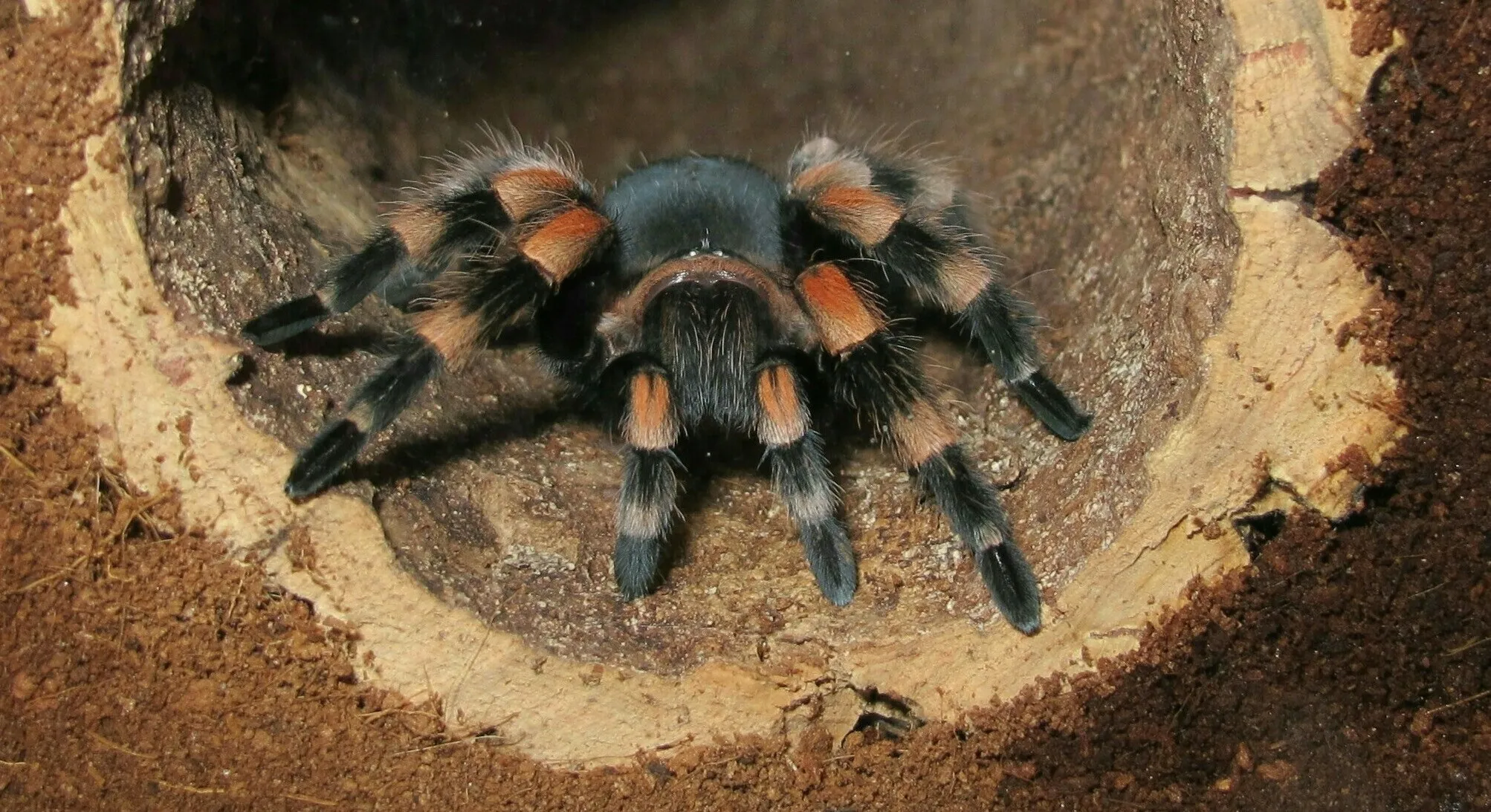
Tarantulas, those fascinating and often misunderstood arachnids, are captivating creatures that have captured the interest of many. Their large size, hairy appearance, and diverse behaviors make them a unique subject of study and admiration. Before delving into the specifics of their living environments, it’s crucial to establish a foundational understanding of what tarantulas are, their characteristics, and their general role in their ecosystems. This includes recognizing the various species, each with its own distinctive traits and habitat preferences, which sets the stage for understanding the broader context of where these amazing spiders thrive.
Where Do Tarantulas Live?
Tarantulas are incredibly diverse, with species inhabiting a wide range of environments across the globe. Generally, they prefer warm, humid climates, but their adaptability is remarkable. These spiders are predominantly found in the Americas, with a significant presence in South and Central America. They also inhabit regions of North America, particularly in the southwestern United States. Moreover, tarantulas are found in parts of Africa, Asia, and Australia, demonstrating their ability to thrive in various ecological niches. The specific habitat of a tarantula species often dictates its behavior, diet, and overall survival strategy, making habitat knowledge critical to their well-being.
Tarantulas in Tropical and Subtropical Regions
Tropical and subtropical regions, characterized by high temperatures and humidity, are prime real estate for many tarantula species. These environments, with their dense vegetation and consistent warmth, provide an ideal setting for these arachnids. In these lush locales, tarantulas often build burrows in the ground, under logs, or among the roots of plants. The high humidity in these areas helps them maintain their moisture levels, which is essential for their survival. The abundance of insects and other small animals in these regions also provides a readily available food source, contributing to a thriving tarantula population. The consistent warmth and humidity create a stable environment, fostering both their physical health and reproductive cycles.
Tarantulas in Deserts

Despite their preference for humid environments, some tarantula species have successfully adapted to desert habitats. These arid environments pose unique challenges, including extreme temperature fluctuations and scarce water resources. To survive, desert tarantulas have evolved specific adaptations, such as burrowing deep underground to escape the intense heat and conserve moisture. They are typically nocturnal, emerging at night to hunt when temperatures are cooler. Their ability to extract moisture from their prey and the environment also aids in their survival. These desert-dwelling tarantulas showcase the resilience of these creatures, thriving in environments that seem inhospitable to many other species. These tarantulas are usually bigger than their tropical counterparts.
Tarantulas in Grasslands and Woodlands
Grasslands and woodlands offer tarantulas a varied habitat, with a mix of open spaces and areas of cover. In these environments, tarantulas may build burrows in the soil, under rocks, or among leaf litter. The presence of grasses and trees provides both shade and opportunities for ambush hunting. The availability of diverse insect populations in these areas supports their dietary needs. These habitats offer a moderate climate compared to deserts or tropical rainforests, with seasonal changes that tarantulas must adapt to. The blend of cover and open areas creates a rich ecosystem, providing suitable conditions for tarantula populations to flourish, making them another key location in their vast distribution.
What Kind of Climate Do Tarantulas Prefer?
The ideal climate for tarantulas is generally warm and humid. Most species thrive in temperatures between 70-85°F (21-29°C), with humidity levels ranging from 60-80%. These conditions are similar to their natural habitats in tropical and subtropical regions. The right temperature and humidity are crucial for their metabolism, molting process, and overall well-being. While some species can tolerate slight variations, maintaining these environmental conditions is essential for ensuring their health and longevity. The need for a stable climate underscores the importance of responsible pet ownership and the careful recreation of natural habitats in captivity.
Temperature and Humidity Requirements

Temperature and humidity are not just preferences for tarantulas; they are critical factors that impact their survival and behavior. Tarantulas are ectothermic, meaning they rely on external sources to regulate their body temperature. Optimal temperatures allow for efficient metabolism and digestion, which ensures they can process their food and grow properly. The humidity levels are equally vital as they prevent dehydration. Tarantulas absorb moisture through their exoskeleton, and low humidity can lead to serious health issues, including molting problems and even death. Pet owners and researchers must pay close attention to these variables and maintain them with precise control.
The Impact of Cold Weather on Tarantulas
Cold weather poses a significant threat to tarantulas, as they are unable to generate their own body heat. Prolonged exposure to low temperatures can slow down their metabolism, making them lethargic and less likely to eat. In extreme cases, cold temperatures can be fatal, leading to a shutdown of bodily functions. When tarantulas are kept in captivity, it is crucial to provide a heat source to keep the temperature within the appropriate range. During colder months, extra care must be taken to monitor the temperature of their enclosure and make adjustments as needed. In the wild, tarantulas may seek shelter underground or in protected areas to mitigate the effects of the cold.
The Impact of Hot Weather on Tarantulas
While tarantulas prefer warm environments, excessive heat can also be detrimental. High temperatures can lead to dehydration, as the spider loses moisture faster through evaporation. Overheating can stress the tarantula, making it less active and possibly impacting its appetite and molting cycle. When the temperature rises, it’s essential to provide adequate ventilation and ensure access to a water source. Regular misting can also help to keep the humidity level suitable. In the wild, tarantulas may seek shelter in burrows or shaded areas to escape extreme heat. Careful monitoring of temperature and humidity is key to ensuring their health and safety in captivity.
How to Recreate a Tarantula’s Natural Habitat

Recreating a tarantula’s natural habitat in captivity is vital for their health and well-being. Providing a suitable environment reduces stress and helps them thrive. A well-designed enclosure should mimic their natural surroundings, providing appropriate temperature, humidity, substrate, and hiding places. By understanding the specific needs of the species, you can create an environment that promotes healthy behaviors and reduces the risk of health issues. This ensures that your pet tarantula lives a fulfilling and healthy life, just like its wild counterparts.
Substrate and Enclosure Setup
The enclosure setup is a key part of tarantula care. The substrate, or bedding material, should be selected to provide the right conditions for the species. For burrowing species, a deep layer of substrate, such as coconut fiber, peat moss, or a mix of both, is crucial to allow them to dig and create their burrows. For arboreal species, a taller enclosure with vertical climbing surfaces, such as cork bark or branches, is more appropriate. The enclosure should also be of a size suitable for the tarantula, providing enough space for movement and activities. Regular cleaning of the enclosure and changing the substrate are essential to prevent the build-up of waste and maintain hygiene.
Temperature and Humidity Control
Maintaining the correct temperature and humidity is crucial for the tarantula’s well-being, as highlighted earlier. Heating pads or ceramic heat emitters can provide consistent warmth, but must be used with caution to prevent overheating. A thermometer and hygrometer should be used to monitor the temperature and humidity levels accurately. Misting the enclosure with water can help to raise humidity levels, particularly in drier environments. Proper ventilation is also necessary to prevent mold growth and maintain air quality. Precise control of these factors is essential to ensure the tarantula remains healthy and experiences the best possible quality of life in captivity.
In conclusion, understanding the habitat and climate preferences of tarantulas is essential for their care and conservation. From the humid rainforests to the arid deserts, these amazing creatures have adapted to diverse environments. Creating a suitable habitat in captivity involves careful attention to temperature, humidity, substrate, and enclosure setup. By following these guidelines, you can ensure that these captivating arachnids thrive and continue to fascinate us for years to come. Proper care not only ensures the well-being of the individual tarantulas but also contributes to the broader understanding and appreciation of these amazing creatures.