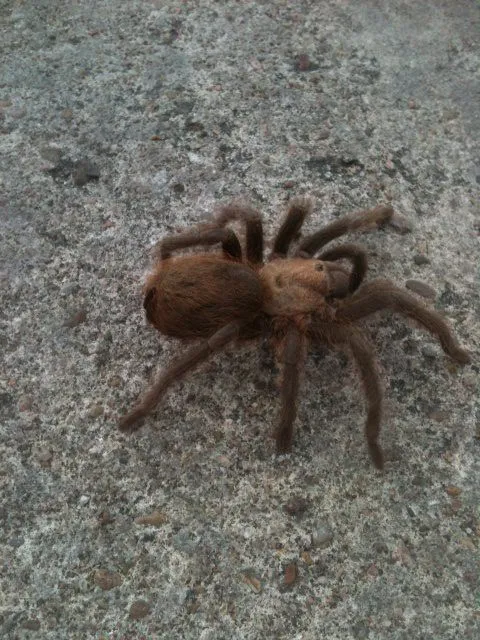
What is a Texas Tarantula?
The Texas tarantula, scientifically known as Aphonopelma, is a fascinating arachnid that calls the Lone Star State home. These impressive spiders are a common sight in various regions of Texas, contributing to the state’s rich biodiversity. Despite their intimidating appearance, Texas tarantulas are generally not aggressive towards humans, preferring to avoid confrontation whenever possible. They play a vital role in the ecosystem, primarily as predators, controlling populations of insects and other invertebrates. Their presence is an indicator of a healthy environment, and understanding these creatures is key to appreciating the natural wonders of Texas. These spiders are a marvel of nature, perfectly adapted to their environment and deserving of our respect and observation. Their complex behaviors and life cycles are a testament to the resilience and diversity of life on Earth. The Texas tarantula is more than just a spider; it’s a symbol of the wild beauty that Texas has to offer.
Appearance and Identification
Identifying a Texas tarantula involves recognizing its unique physical characteristics. Their bodies are covered in hairs, which can vary in color from brown to black, with some having reddish hues. These hairs serve multiple purposes, including sensory perception and defense. They have eight legs, each tipped with claws that allow them to climb and navigate various terrains. Furthermore, they possess two body segments, the cephalothorax (fused head and thorax) and the abdomen. The size of these spiders can range from small juveniles to adults with leg spans of up to five inches or more. The fangs, although intimidating, are primarily used for subduing prey rather than for attacking humans. Observing these features carefully will help you differentiate a Texas tarantula from other spider species.
Size and Coloration

Texas tarantulas exhibit a range of sizes depending on their age and sex, but they typically have a leg span ranging from 3 to 5 inches, with females being larger than males. The coloration of these spiders is generally a muted palette of browns, blacks, and sometimes reddish tones on their hairs. These colors help them blend in with their surroundings, providing camouflage from both predators and prey. The subtle variations in color can also help in distinguishing between different species of tarantulas. Juvenile tarantulas are often lighter in color, darkening as they mature. The overall size and coloration make them a formidable presence in their natural environment, where they are a vital part of the ecosystem. It’s important to note that these spiders are not brightly colored, relying on camouflage to survive.
Distinctive Features
Beyond size and color, Texas tarantulas possess other distinctive features that set them apart. One notable characteristic is the presence of urticating hairs, which are small, barbed hairs on their abdomen that the spiders can flick towards potential threats. These hairs cause irritation and can deter predators. Also, the fangs, used to inject venom, are relatively large and curved. The spinnerets, located at the end of the abdomen, are used to produce silk for various purposes, including creating burrows, lining their nests, and wrapping prey. These features collectively contribute to the spider’s ability to survive and thrive in its environment. Recognizing these features, along with size and coloration, are essential for correctly identifying a Texas tarantula and appreciating its unique adaptations.
Habitat and Distribution
Texas tarantulas are widely distributed throughout the state, inhabiting a variety of ecosystems. From the arid landscapes of West Texas to the more humid regions of East Texas, these spiders have adapted to survive in diverse environments. Their presence is most common in areas with suitable ground for burrowing and an abundance of prey. They are primarily terrestrial, spending most of their time on the ground or in their burrows. The distribution of Texas tarantulas highlights their adaptability and resilience, as they can be found in grasslands, woodlands, and even urban areas. Understanding their habitat preferences is crucial for conservation efforts and ensuring their continued survival in the face of habitat loss and other environmental challenges.
Where They Live

Texas tarantulas typically live in burrows, which they construct in the ground. These burrows serve as shelters from the sun, predators, and extreme weather conditions. The spiders will often dig their burrows in soft soil, under rocks, or near the base of trees and other plants. The depth and structure of the burrow can vary depending on the species and the environment, but they generally have a single opening and a tunnel that can extend several inches underground. They spend most of their lives within these burrows, only venturing out to hunt or find a mate. The burrows provide a safe haven, protecting them from the elements and other dangers. Understanding their need for suitable burrowing locations is a key part of their habitat requirements.
Common Habitats
Texas tarantulas are most commonly found in grasslands, open woodlands, and scrublands. These habitats offer the right combination of soil for burrowing and a variety of prey. You might spot them in areas with loose soil, such as along riverbanks, in fields, and around rocky outcrops. They also inhabit areas near human settlements, including parks and suburban yards. The availability of food and shelter is critical in determining the density of tarantula populations in these environments. The adaptability of these spiders means they can be found in a range of habitats across Texas, making them a fascinating subject for ecological studies and a common sight for many residents of the state. Their presence is also dependent on the absence of pesticides.
Behavior and Diet
Texas tarantulas are primarily nocturnal hunters, meaning they are most active during the night. They are ambush predators, waiting patiently near their burrows for prey to come within striking distance. Their diet consists mainly of insects, but they may also feed on small vertebrates like lizards and rodents. They use their fangs to inject venom that paralyzes their prey, allowing them to consume the meal. Their feeding habits are an essential part of their role in the ecosystem, helping to control insect populations. These behaviors and dietary habits are crucial to their survival and the health of their habitats. They are a vital part of the food chain.
What Texas Tarantulas Eat

The diet of a Texas tarantula primarily consists of insects. Crickets, grasshoppers, beetles, and other invertebrates make up a significant portion of their meals. However, as they grow larger, they may also consume small vertebrates, such as lizards, small mice, and even birds. Their diet varies depending on their size and the availability of prey in their environment. They are opportunistic feeders, meaning they will eat whatever they can catch and subdue. This adaptability helps them to thrive in various habitats. The spiders use their fangs to inject venom that immobilizes the prey. They then use digestive enzymes to break down the meal, and consume the resulting liquid.
Hunting and Feeding Habits
Texas tarantulas are skilled hunters, relying on a combination of stealth and patience. They typically wait near the entrance of their burrows, sensing vibrations and movements of potential prey. When a suitable target comes close, they quickly pounce, using their fangs to inject venom. The venom paralyzes the prey, making it easier for the spider to consume. They then use their fangs to grind up the prey. Young tarantulas often hunt smaller insects, while adults can tackle larger meals. After feeding, they usually retreat back into their burrows to digest their meal, ready to ambush the next unsuspecting victim. The hunting strategies of the Texas tarantulas make them a fascinating predator.
Life Cycle and Reproduction
The life cycle of a Texas tarantula is a long and fascinating process. These spiders can live for several years, with females living longer than males. They go through a series of molts as they grow, shedding their exoskeletons to allow for further development. Reproduction involves a complex mating ritual, with males often having to navigate a perilous courtship to avoid being eaten by the female. After mating, the female lays eggs and creates an egg sac to protect them. The spiderlings hatch and develop over time, eventually becoming adult tarantulas themselves. Understanding their life cycle is crucial to appreciating their place in the ecosystem.
Mating Rituals

The mating rituals of Texas tarantulas are an intriguing display of nature’s complexity. Males typically leave their burrows in search of a mate, often during late summer or early fall. They locate females by following pheromone trails, and once they find a potential partner, they begin a courtship dance. The males will tap or drum on the ground, sending vibrations to attract the female. If the female is receptive, they mate. However, males must be cautious, as they are often at risk of being eaten by the female after mating. The entire process is a delicate balance of survival and reproduction, showcasing the intricate behaviors involved in the tarantula’s life cycle.
Egg Sacs and Spiderlings
After mating, the female Texas tarantula lays her eggs and constructs an egg sac to protect them. The egg sac is typically made of silk and can contain hundreds of eggs. She diligently guards the sac, protecting it from predators and maintaining the right conditions for the eggs to hatch. The spiderlings, miniature versions of the adults, emerge from the eggs after a period of incubation. They remain in the burrow with their mother for a time, eventually dispersing to establish their own territories. The egg sacs and the protection of the spiderlings are vital to the survival of the species. The entire process from egg to adult is a testament to the resilience of these creatures.
Interaction with Humans
Encounters with Texas tarantulas are relatively common, especially during their mating season. While these spiders may appear intimidating, they are generally not aggressive towards humans. They typically prefer to avoid contact, and bites are rare. However, it is important to exercise caution and respect their space when encountering them. Understanding their behavior and how to interact with them responsibly can help prevent any unnecessary fear or harm. Education and awareness are key in fostering a positive relationship between humans and these fascinating creatures. Remember, the Texas tarantula is more afraid of you than you are of it.
Are Texas Tarantulas Dangerous?

Texas tarantulas are not considered highly dangerous to humans. Their venom is not potent enough to cause serious harm to healthy adults. A bite from a tarantula might cause some localized pain, redness, and swelling, similar to a bee sting. However, it is not likely to result in any serious medical complications. The primary defense mechanism of these spiders is to use their urticating hairs, which can cause irritation and discomfort. It’s important to remember that these spiders are generally docile and only bite when provoked or threatened. Maintaining a respectful distance and avoiding any attempts to handle them is the best way to avoid any unwanted interactions. There is a low chance of a negative interaction if you leave them alone.
What to Do if You Encounter One
If you encounter a Texas tarantula, the best course of action is to observe it from a safe distance and leave it undisturbed. Avoid attempting to handle or touch the spider. If the tarantula is in your house or yard, it is best to leave it alone. They are usually only passing through and will eventually leave on their own. You can gently encourage it to move by opening a door or using a container to relocate it carefully, if necessary. Do not use pesticides to kill a tarantula, as this can harm the environment. By respecting the spider’s space and understanding its behavior, you can peacefully coexist with these fascinating creatures.
Conservation Status
The Texas tarantula is not currently listed as endangered or threatened, and its populations are generally considered stable. However, like many other species, they face potential threats from habitat loss, pesticide use, and other environmental factors. Conservation efforts focus on protecting their natural habitats and educating the public about their importance in the ecosystem. Maintaining healthy and diverse habitats is essential for their continued survival. Understanding the threats they face is the first step towards ensuring their long-term conservation.
Threats to Tarantula Populations

Several factors can pose threats to Texas tarantula populations. Habitat loss due to urbanization and agricultural expansion is a significant concern. The destruction of their natural habitats reduces the available space for burrowing, hunting, and reproduction. Pesticide use is another threat, as it can directly or indirectly harm the tarantulas and their prey. Climate change and extreme weather events can also impact tarantula populations. Understanding these threats is essential for implementing effective conservation strategies. The increasing human population will continue to put pressure on the environment, which can negatively affect the tarantulas.
Conservation Efforts
Conservation efforts for Texas tarantulas involve habitat preservation, public education, and research. Protecting their natural habitats by establishing parks and protected areas is critical. Educating the public about the importance of tarantulas in the ecosystem can help reduce fear and promote respect for these creatures. Supporting responsible land management practices and avoiding the use of pesticides is also important. Research into their behavior, distribution, and genetics can provide valuable information for conservation strategies. By implementing these measures, we can ensure that future generations can continue to appreciate the beauty and ecological importance of Texas tarantulas.