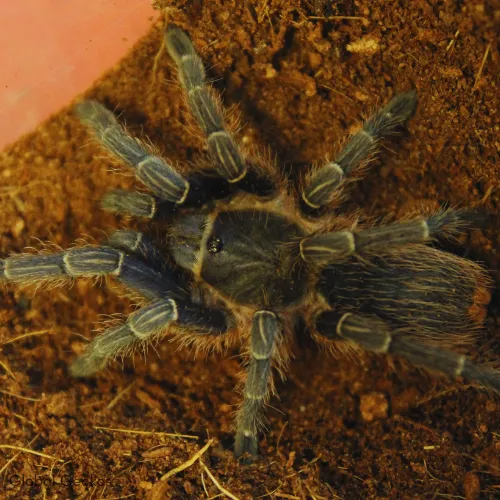
What is the Costa Rican Zebra Tarantula (A. seemanni)?
The Costa Rican Zebra Tarantula, scientifically known as Aphonopelma seemanni, is a captivating terrestrial tarantula species, gaining popularity among arachnid enthusiasts in the UK. Native to the dry forests of Central America, including Costa Rica and Nicaragua, this spider is admired for its striking appearance and relatively docile nature. They are often chosen as pets due to their manageable size and ease of care compared to some other tarantula species. Understanding the basic characteristics of the Costa Rican Zebra Tarantula is the first step in appreciating these fascinating creatures and considering whether one is right for you as a pet.
Appearance and Identification of the Costa Rican Zebra Tarantula
Identifying the Costa Rican Zebra Tarantula is straightforward, thanks to its distinctive appearance. The spider’s body is primarily black, with characteristic white or cream-colored stripes across its legs, resembling the pattern of a zebra – hence the name. These stripes become more pronounced as the tarantula matures. Their carapace, the top part of their body, is usually dark brown or black. Adult females can reach a leg span of up to 5-6 inches, while males tend to be slightly smaller. The contrasting colors make them quite visually appealing and are a key feature that attracts many hobbyists in the UK.
Where do Costa Rican Zebra Tarantulas Come From?

Costa Rican Zebra Tarantulas are native to Central America, specifically inhabiting the dry forests and grasslands of Costa Rica and Nicaragua. They are well-adapted to these environments, where they construct burrows in the ground or utilize existing shelters like fallen logs and rock crevices. The climate in their native habitat is typically warm and humid, with distinct wet and dry seasons. In the UK, the climate requires that these animals are kept indoors with controlled temperature and humidity settings in order to thrive. Understanding their origins helps in replicating their natural habitat as closely as possible in captivity.
Habitat and Natural Behavior
In their natural habitat, Costa Rican Zebra Tarantulas are primarily nocturnal creatures, spending the day in their burrows to avoid the heat. They are ambush predators, waiting patiently for prey to come within striking distance. Their diet consists mainly of insects, such as crickets, beetles, and other invertebrates. They are generally solitary animals, only coming together during mating season. Their natural behaviors in the wild inform their care requirements in captivity; this includes the need for a secure burrow, a suitable feeding schedule, and a controlled environment that mimics their native climate, to ensure a healthy and comfortable life in a captive setting in the UK.
7 Fascinating Facts About Costa Rican Zebra Tarantulas
Fact 1: Unique Striped Pattern

The most striking feature of the Costa Rican Zebra Tarantula is its distinctive striped pattern. The contrasting black and white bands on their legs are a form of camouflage, helping them blend in with the leaf litter and shadows of their natural habitat. This unique pattern is not only visually appealing but also serves a practical purpose in their survival, making them less visible to both predators and prey. This characteristic is a primary reason why they’re a popular choice for tarantula enthusiasts in the UK, who admire their aesthetic qualities.
Fact 2: Docile Temperament
Compared to some other tarantula species, the Costa Rican Zebra Tarantula is known for its relatively docile temperament. They are less prone to biting or displaying aggressive behavior, making them a suitable choice for beginner tarantula keepers in the UK. However, it’s crucial to remember that they are still wild animals, and proper handling techniques and respect for their space are essential. While they may not be as defensive as other species, it’s always wise to avoid handling them unnecessarily to minimize stress and potential risk.
Fact 3: Relatively Fast Growth
Costa Rican Zebra Tarantulas have a relatively fast growth rate compared to other tarantula species. This can be exciting for keepers in the UK, as they can witness the spider’s development and changes more rapidly. Regular feeding and a suitable environment contribute to their growth, with females often living for over a decade, making them long-term companions. This quick growth rate allows keepers to experience the various stages of the tarantula’s life cycle more dynamically.
Fact 4: Easy to Care For

One of the appealing aspects of the Costa Rican Zebra Tarantula is its ease of care, making it a popular choice for tarantula keepers in the UK. Their requirements for temperature, humidity, and substrate are relatively straightforward to maintain. They are not overly demanding eaters and can thrive on a diet of readily available insects. Their adaptability to captive environments makes them a good choice for those new to the hobby, provided they are given a proper enclosure, food, and water.
Fact 5: Not Suitable for Handling
Despite their docile temperament, Costa Rican Zebra Tarantulas are generally not recommended for frequent handling. Handling can be stressful for the spider and may lead to defensive behaviors, such as kicking hairs or, in rare cases, biting. The risk of dropping the spider, which can be fatal, also makes handling inadvisable. Observing them in their enclosure and providing a comfortable environment are the best ways to enjoy these creatures.
Fact 6: Defensive Behaviors
While not aggressive, Costa Rican Zebra Tarantulas can exhibit defensive behaviors if they feel threatened. This might include raising their front legs, flicking urticating hairs (small, irritating hairs) from their abdomen, or attempting to flee. Understanding these behaviors and providing a secure and stress-free environment is crucial for their well-being in the UK. Proper handling is essential to avoid provoking these behaviors.
Fact 7: Lifespan and Maturity

Female Costa Rican Zebra Tarantulas can live for an impressive lifespan, often exceeding 10 years in captivity, making them a long-term commitment for owners in the UK. Males, on the other hand, tend to have a shorter lifespan, usually only living for a few years after reaching maturity. The lifespan of the tarantula is influenced by its environment, diet, and overall care. Providing a proper environment is important to maximize the lifespan of these tarantulas.
Buying a Costa Rican Zebra Tarantula in the UK
If you are interested in acquiring a Costa Rican Zebra Tarantula in the UK, there are several avenues to explore. The most common way to obtain one is through reputable breeders or specialized pet stores that focus on exotic animals. Online marketplaces and arachnid-specific forums can also be good sources, but it is essential to exercise caution and conduct thorough research before making a purchase. Verify the seller’s reputation, check for reviews, and always ensure the tarantula appears healthy and well-cared for.
Finding Reputable Breeders and Sellers
When searching for a Costa Rican Zebra Tarantula for sale in the UK, prioritizing reputable breeders and sellers is vital. A reputable source will be knowledgeable about tarantula care, be able to provide accurate information, and offer healthy specimens. Look for breeders who are willing to answer your questions, provide information about the tarantula’s origin, and offer guarantees of health. Avoid purchasing from sources that seem unprofessional or unwilling to provide adequate information. Check online reviews and forums to gather information about the seller’s reputation within the UK tarantula-keeping community.
Legality and Regulations in the UK

Before purchasing a Costa Rican Zebra Tarantula in the UK, it is important to be aware of any relevant legal regulations. While these tarantulas are not typically subject to strict licensing requirements, it’s always wise to check with local authorities to ensure you comply with any existing laws. Some areas may have specific guidelines for keeping exotic pets, so it is essential to know the rules. Ensure you are purchasing from a legal and ethical source, and always prioritize the welfare of the animal.
Caring for Your Zebra Tarantula at Home
Successfully keeping a Costa Rican Zebra Tarantula in the UK involves creating a suitable habitat and providing proper care. This includes a well-designed enclosure, appropriate temperature and humidity levels, and a varied diet. Regular observation is also essential to monitor your tarantula’s health and behavior. By following best practices for their care, you can ensure a happy and healthy life for your pet tarantula.
Creating a Suitable Enclosure
The enclosure is a vital component of caring for your Costa Rican Zebra Tarantula in the UK. A suitable enclosure should be escape-proof, well-ventilated, and of an appropriate size to allow the tarantula to move around comfortably. For a juvenile, a 5-10 gallon tank is usually adequate, while adults need a larger enclosure, such as a 10-20 gallon tank. The enclosure should include a substrate like coconut fiber or peat moss to maintain humidity and allow the tarantula to burrow. Provide a hide, such as a piece of cork bark, for security and a shallow water dish for fresh water. Regularly clean the enclosure to remove waste and uneaten food to maintain a hygienic environment.
Temperature and Humidity Requirements

Maintaining the correct temperature and humidity levels is crucial for the health of your Costa Rican Zebra Tarantula in the UK. The ideal temperature range is between 75-85°F (24-29°C). You can achieve this using a heat mat or a ceramic heat emitter, ensuring that the heat source does not directly contact the enclosure. Humidity should be maintained between 60-70%, which you can achieve by misting the enclosure with water a few times per week. Using a hygrometer will help you monitor the humidity levels. Proper temperature and humidity help the tarantula molt successfully and stay healthy in the UK climate.
Feeding Your Tarantula
Feeding your Costa Rican Zebra Tarantula is a straightforward process. Their diet primarily consists of insects, such as crickets, mealworms, and cockroaches. The size of the prey should be proportionate to the size of the tarantula; generally, insects should be no larger than the tarantula’s body. Juveniles should be fed 2-3 times per week, while adults can be fed once or twice a week. Remove any uneaten prey within 24 hours to prevent stress on the tarantula and maintain a clean environment. Ensure a consistent food supply and clean water are available for the spider.
Common Health Issues and Prevention
Like all pets, Costa Rican Zebra Tarantulas can be susceptible to health issues. Common problems include dehydration, mites, and problems with molting. Dehydration can be prevented by providing a constant supply of fresh water and maintaining appropriate humidity levels. Mites can be introduced through contaminated substrate or prey; quarantine any new additions and regularly inspect your tarantula. Difficulties with molting can be due to low humidity or a poor diet; ensure that conditions are optimal. Seek advice from a veterinarian familiar with arachnids if you notice any health issues. Preventing health problems involves providing a suitable environment, a balanced diet, and a clean enclosure.
Conclusion
The Costa Rican Zebra Tarantula is a captivating pet for those who appreciate the unique beauty of the arachnid world. By understanding their characteristics, habitat needs, and providing proper care, you can create an enriching environment for your Zebra Tarantula in the UK. From their striking appearance to their relatively docile nature, these tarantulas offer a fascinating glimpse into the natural world and can be a rewarding addition to any home. Always prioritize the tarantula’s health and well-being and be prepared for the commitment required for their long lifespan.