Understanding Zebra Tarantula Molting
Molting is a fundamental biological process for all tarantulas, including the popular zebra tarantula (Aphonopelma seemanni). It’s essentially how these arachnids grow and renew themselves. Unlike mammals, which grow internally, tarantulas have an exoskeleton that doesn’t expand. As the spider grows, it must shed this outer shell, a process known as molting, to reveal a new, larger one. This guide will provide a comprehensive overview of the zebra tarantula molting process, from preparation to aftercare, ensuring you’re well-equipped to support your pet spider through this crucial life stage.
What is Molting in Tarantulas
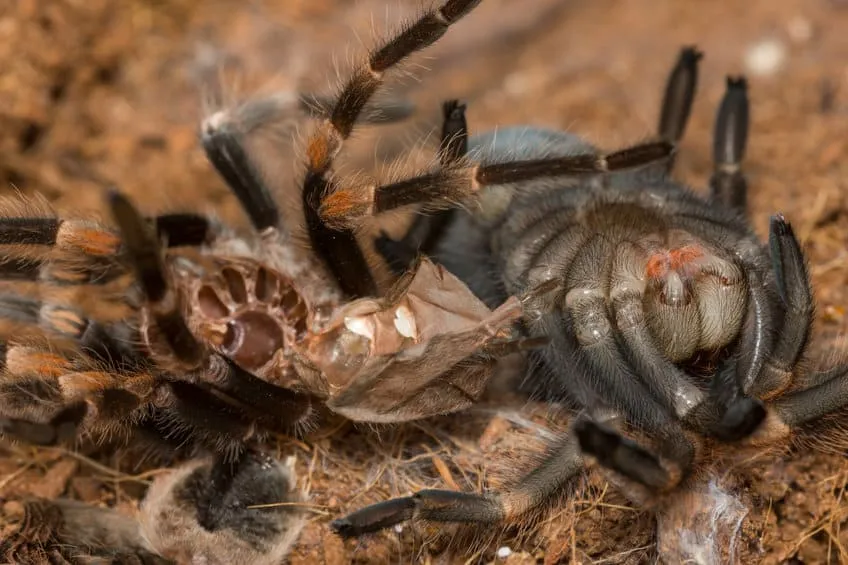
Molting is the periodic shedding of the exoskeleton. The exoskeleton is made of chitin, a tough, protective substance. As the tarantula grows, the exoskeleton becomes too small. Before molting, the tarantula forms a new, larger exoskeleton underneath the old one. The old exoskeleton then splits open, and the tarantula wriggles out, leaving behind its old shell. The new exoskeleton is initially soft and vulnerable, gradually hardening over time. This process is not just about growth; it also allows the tarantula to replace damaged limbs, regenerate lost hairs, and refresh its sensory organs. A healthy molt is a sign of a healthy spider.
Why Do Zebra Tarantulas Molt
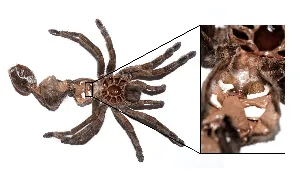
The primary reason zebra tarantulas molt is to grow. Since the exoskeleton is rigid, the spider cannot expand within it. Molting provides a new, larger shell, accommodating the spider’s growth. In addition to growth, molting serves other critical functions. It allows the tarantula to replace damaged or missing limbs. During a molt, the spider can regenerate lost legs or pedipalps. Furthermore, molting allows the tarantula to shed internal parasites, such as mites. Molting is essential for maintaining overall health and ensuring the spider’s survival, making it a vital process in their lifecycle. It’s also a time when the spider can refresh its sensory structures.
How Often Do Zebra Tarantulas Molt
The frequency of molting varies depending on the tarantula’s age. Spiderlings, or young tarantulas, molt much more frequently than adults. They may molt every few months, sometimes even more often, as they grow rapidly. As the tarantula matures, the molting frequency decreases. Sub-adults might molt once or twice a year. Adult zebra tarantulas, on the other hand, may only molt every one to two years, or even less often. The molting frequency is a good indicator of the spider’s overall health and growth rate. The larger the spider, the less frequently it will molt, and this is a normal process.
Factors Influencing Molting Frequency
Several factors influence how often a zebra tarantula molts. One of the most significant is age. Younger spiders molt more frequently than older ones. Nutrition plays a vital role; a well-fed tarantula is more likely to molt regularly. A diet rich in nutrients supports healthy growth. Temperature also affects the molting cycle; warmer temperatures can speed up metabolism and potentially increase molting frequency. Humidity is another important factor; maintaining the correct humidity levels aids the molting process, making it easier for the tarantula to shed its exoskeleton. Finally, the overall health of the spider impacts molting; a healthy spider is more likely to molt successfully and regularly.
Preparing for Your Zebra Tarantula’s Molt

Recognizing the signs that your zebra tarantula is preparing to molt is crucial for providing the right care. Several changes in behavior and appearance indicate an impending molt. Providing the correct environment is important for the success of the molt. The enclosure should be kept clean and free of potential hazards. Avoid disturbing the tarantula during this sensitive time, and ensure optimal conditions to reduce stress. It is essential to avoid handling the spider during this phase and make sure the enclosure is set up to support the process. Patience and observation are key to supporting your tarantula through a successful molt.
Creating the Ideal Molting Environment
Creating the right environment is key to helping your zebra tarantula molt successfully. The enclosure should provide a safe space. Make sure the enclosure is clean and free of any hazards that might interfere with the molt, such as sharp objects or loose decorations. Providing the correct substrate is essential. The substrate should be deep enough for the tarantula to burrow if it chooses and must be a material that holds humidity well. Ensure the enclosure has adequate ventilation to prevent mold and bacterial growth. Monitoring the temperature and humidity levels within the enclosure is essential.
Maintaining Optimal Humidity Levels
Maintaining the correct humidity levels is critical during the molting process. Zebra tarantulas thrive in a relatively humid environment. Humidity helps the old exoskeleton split and allows the new one to expand. Use a hygrometer to monitor humidity levels in the enclosure. The ideal humidity range for zebra tarantulas is generally between 60% and 70%. To increase humidity, mist the enclosure with dechlorinated water. You can also add a shallow water dish for the spider to drink from and to help raise humidity levels. The substrate should be kept slightly moist, but not waterlogged, to maintain proper humidity. Regular monitoring and adjustments are essential to ensure your tarantula’s molting environment is ideal.
Providing a Safe and Secure Habitat
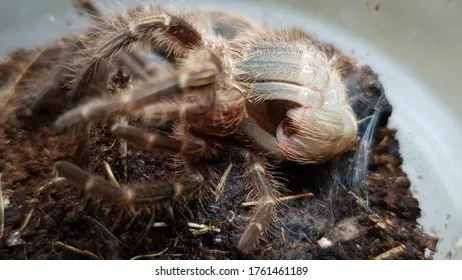
During the molting process, a zebra tarantula is at its most vulnerable. Providing a safe and secure habitat is crucial. Ensure the enclosure has a secure lid to prevent escapes. Avoid handling the tarantula during this time to minimize stress. Provide plenty of hiding places, such as a cork bark or a hide. These shelters provide a sense of security and allow the tarantula to feel safe while it molts. Make sure there are no sharp objects in the enclosure that could harm the spider during the molt. A calm and undisturbed environment will significantly increase the chances of a successful molt.
Identifying the Signs of Impending Molt
Recognizing the signs that your zebra tarantula is about to molt allows you to prepare accordingly. One of the most common signs is a change in behavior. The tarantula may become less active and spend more time in its hide. You might notice that it seals itself into its burrow, web, or hide. Look out for changes in its appearance. The abdomen may appear darker or more swollen, which indicates the new exoskeleton is forming underneath the old one. The tarantula may also stop eating. These are all signs that your zebra tarantula is preparing for its molt. Knowing these signs will help you prepare and support your spider.
Changes in Appearance and Behavior
Changes in appearance and behavior are the most common indicators that a zebra tarantula is preparing to molt. The abdomen often appears darker and more swollen as the new exoskeleton forms. The tarantula’s carapace (the top shell) may also appear duller or less vibrant. In terms of behavior, the tarantula usually becomes less active and spends more time in its hide. Some tarantulas may start webbing excessively, creating a secure space for the molt. Others may become more defensive or irritable. These changes are all normal preparations for the molting process.
Refusal to Eat and Other Indicators

One of the most noticeable signs of an impending molt is the tarantula’s refusal to eat. The tarantula may reject food, even if it is usually a voracious eater. This loss of appetite can last for days or even weeks leading up to the molt. Another indicator is the tarantula’s movement. It might become less coordinated or clumsy. You may also observe a change in the color of the tarantula’s fangs; they can appear a bit darker or less shiny. Monitoring your tarantula’s eating habits and overall behavior is vital for recognizing when a molt is approaching and preparing accordingly.
The Molting Process Step by Step
The molting process is a remarkable transformation that tarantulas undergo. Understanding the stages can help you support your zebra tarantula. The process begins internally, with the formation of a new exoskeleton. The old exoskeleton then splits open, usually along the carapace and abdomen. The tarantula carefully extracts itself from the old shell, a process that can take anywhere from a few minutes to several hours. Once the old exoskeleton is discarded, the tarantula is left with its new, soft exoskeleton. This is the most vulnerable time for the tarantula.
Pre-Molt Stage Preparing for the Shed
The pre-molt stage involves the preparation of the tarantula before the actual shedding of the exoskeleton. During this phase, the tarantula will undergo several changes, both in its appearance and behavior. Internally, a new exoskeleton is forming beneath the old one. The tarantula may stop eating and retreat into its hide. The abdomen may swell or darken. The tarantula might appear sluggish or less active than usual. This stage can last for several days or even weeks. Providing a safe and undisturbed environment is critical to minimize stress and ensure a successful molt.
The Actual Molting Phase
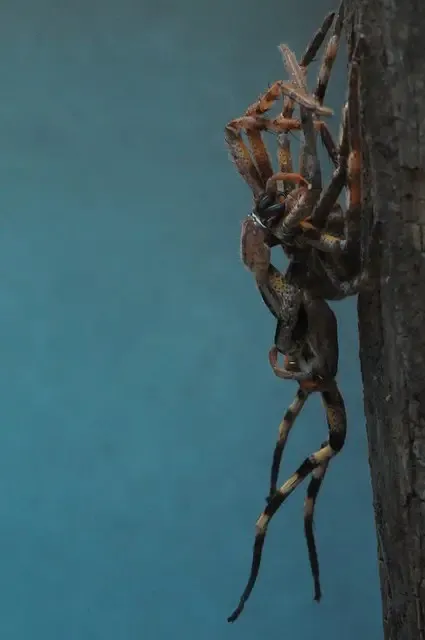
The actual molting phase is the most vulnerable time for the tarantula. The tarantula will usually lie on its back or side to begin the process. The old exoskeleton will split open, often along the carapace and abdomen. The tarantula then slowly wriggles out of its old shell. This process can be physically demanding and may take some time. It is essential to avoid disturbing the tarantula during this phase. Once free from the old exoskeleton, the tarantula will be left with a new, soft exoskeleton. This is when it is most susceptible to injury.
Post-Molt Care for Your Zebra Tarantula
After the molt, your zebra tarantula will be in a fragile state. The new exoskeleton will be soft and vulnerable, requiring time to harden. Provide a safe and undisturbed environment. Avoid handling the tarantula. Maintain proper temperature and humidity levels to help the new exoskeleton harden properly. It’s crucial to allow the tarantula time to acclimate to its new shell before offering food. Over the next few days and weeks, the tarantula’s color will become more vibrant, and it will gradually regain its strength.
Feeding and Hydration After Molting
Once your zebra tarantula has molted, it is essential to provide proper care. Wait a few days after the molt before offering food. The exact time frame depends on the size of the spider; smaller spiders should be given more time. Offer small, easily manageable prey items, such as small crickets or mealworms. The tarantula’s fangs will be soft, so avoid prey that is too large or difficult to handle. Always provide access to fresh, clean water. Hydration is essential for helping the new exoskeleton harden and for the tarantula’s overall well-being. Monitor the spider for any signs of difficulty or problems after molting.
Handling and Interaction Guidelines
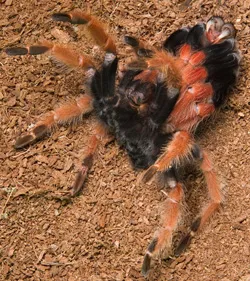
Handling your zebra tarantula should be done with caution. Avoid handling it immediately after molting, as its exoskeleton will be soft and vulnerable. If handling is necessary, do so gently and slowly. It is advisable to handle the tarantula as little as possible. When handling, do so close to the ground to avoid injury from a fall. Always wash your hands before and after handling your tarantula to prevent the transfer of oils, scents, or potential pathogens. Observe the tarantula’s behavior, and if it appears stressed or defensive, immediately stop the interaction. The well-being of the tarantula should always be the priority.
Troubleshooting Molting Problems
While molting is a natural process, problems can sometimes arise. It’s essential to be aware of the issues and how to address them. If the tarantula gets stuck during the molt, do not try to pull it out. Instead, increase the humidity in the enclosure. If a limb gets stuck, seek expert advice. Sometimes, the tarantula may lose a limb during the molt; this is usually not a serious problem, as it can regenerate the limb over several molts. Provide a clean, hazard-free environment to minimize the risk of complications. In severe cases, consult with a veterinarian or an expert in tarantula care.
Common Issues and Solutions
Several common issues can occur during the molting process. One is a failed molt, where the tarantula gets stuck. This is often due to low humidity. Increase humidity levels and provide a safe environment. Another problem is the loss of limbs. While alarming, this is often not a fatal issue. The tarantula can regenerate the lost limbs over several molts. Also, the new exoskeleton can be damaged; this is usually caused by a fall or trauma. Maintaining a safe and secure environment is important. If you encounter these problems, always observe your tarantula closely, and do not hesitate to seek professional help.
When to Seek Veterinary Assistance
While most molts are successful, there are instances when veterinary assistance is needed. If your tarantula is stuck in its molt for an extended period (more than a day), seek help. If you notice any signs of infection or injury, such as a foul smell or unusual discoloration, consult a vet. If the tarantula appears lethargic or unresponsive after molting, seek professional advice. Any unusual symptoms or behavior after a molt should be addressed by a professional. Having access to an experienced exotic animal vet will ensure that any complications can be properly addressed and that your tarantula will get the support it requires.